In a move that signals the dawn of a new era for law enforcement in the digital age, the Bexar County Sheriff’s Office (BCSO) in Texas has announced the integration of advanced Artificial Intelligence (AI) translation tools into its body-worn cameras. This initiative, aimed at breaking down language barriers during police encounters, is not merely a technical upgrade but a fundamental shift in how state authority interacts with citizens in multicultural environments.
The Imperative for Immediate Understanding
Bexar County, home to the city of San Antonio, is characterized by a deeply diverse population, with a significant percentage of residents having Limited English Proficiency (LEP). Until now, officers who did not speak Spanish or other languages had to rely on telephonic translation services or the luck of having a bilingual colleague on the scene. In high-stress situations, such as pursuits or domestic disturbances, the seconds lost due to linguistic misunderstandings can be fatal.
The new technology allows for speech-to-text conversion and translation in near real-time. An officer can speak in English, and the camera, through a connected device or application, can output the translation in the citizen's language, and vice versa. This "digital bridge" promises to reduce the escalation of violence often triggered by an inability to communicate and the resulting confusion.
Technical Challenges and the Accuracy Question
Despite the promises, the use of AI in such critical environments raises serious questions. Language is not just words; it is cultural context, idioms, and tone. Current AI models, while impressive, often fail to perceive the difference between a threat and a plea for help when slang or local dialects—such as the "Spanglish" common in South Texas—are used.
- How will the system perform in high-noise environments, such as a busy highway?
- Who bears responsibility if a mistranslation leads to an unjust arrest or use of force?
- Is AI capable of conveying legal warnings (Miranda Rights) with the precision required by the judicial system?
Critics point out that reliance on technology could diminish the drive to hire bilingual officers, who possess the necessary empathy and judgment that a machine lacks. The Bexar County Sheriff’s Office maintains that the tool is assistive rather than a replacement for human judgment, yet the line between assistance and total reliance is often blurred.
Legal and Ethical Implications
The integration of AI into body cameras also opens a "Pandora’s box" regarding personal data and civil rights. Body-cam footage serves as evidence in criminal trials. If the translation recorded is the product of an algorithm, defense attorneys may challenge the validity of confessions or statements made by the accused.
"Justice requires precision, not probabilities. An algorithm that 'guesses' the meaning of words in a life-or-death moment is a risk our society has not yet fully evaluated,"says a legal analyst monitoring the program's rollout.
Furthermore, there is the fear of "algorithmic bias." It is well-documented that many AI models are trained on datasets that may contain biases against specific ethnic groups. If the translation system has been trained primarily on formal Spanish, it might misinterpret the language of a migrant from Central America, leading to dangerous misunderstandings.
The Future of Digital Policing
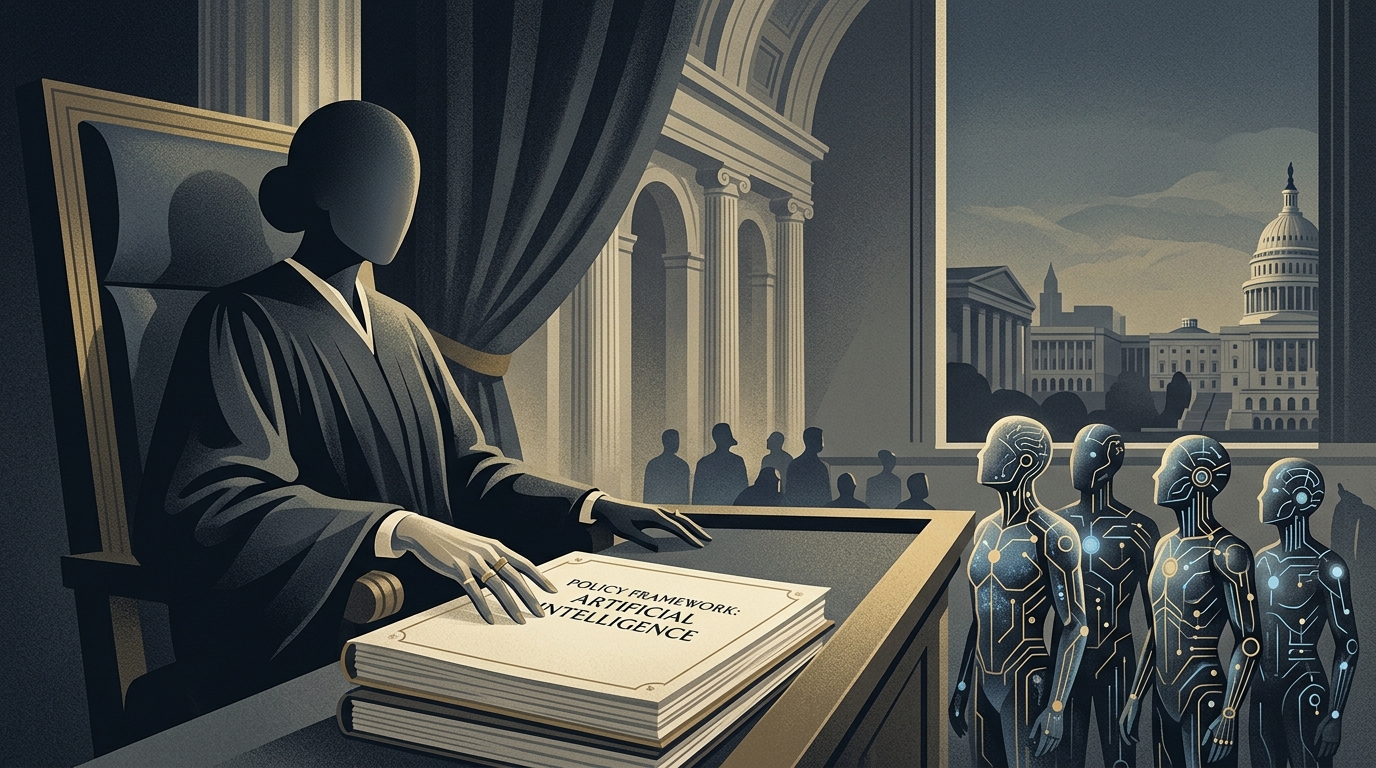
Bexar County’s move is likely to serve as a pilot for many other police departments in the US and globally. As tech companies like Axon (a leader in the body-cam market) increasingly integrate AI into their products, policing is transforming into a data-driven process. The challenge for lawmakers will be to create a framework ensuring that technology serves to protect citizens without undermining their fundamental liberties. Transparency in how these models are trained and the ability for independent experts to audit translations will be crucial for the technology's social acceptance.