Artificial Intelligence (AI) is no longer a futuristic promise but a present reality reshaping the foundations of our legal civilization. The recent surge in activity surrounding this topic, as highlighted by reports from sources like The Detroit Bureau, underscores a critical turning point: the "Wild West" era of technology is ending, and the era of accountability is beginning. From autonomous vehicles in Detroit to generative AI algorithms in Silicon Valley, the question remains the same: Who is liable when the code fails?
The European Vanguard and the Global Domino Effect
The European Union, with the passing of the AI Act, has established the first comprehensive global framework, adopting a risk-based approach. This legislation categorizes AI applications from "minimal risk" to "unacceptable risk." However, implementing these rules in practice poses massive challenges for businesses. Companies are now required to demonstrate the transparency of their algorithms, which often clashes with the "black box" nature of deep learning, where even the creators cannot fully explain the path to a decision.
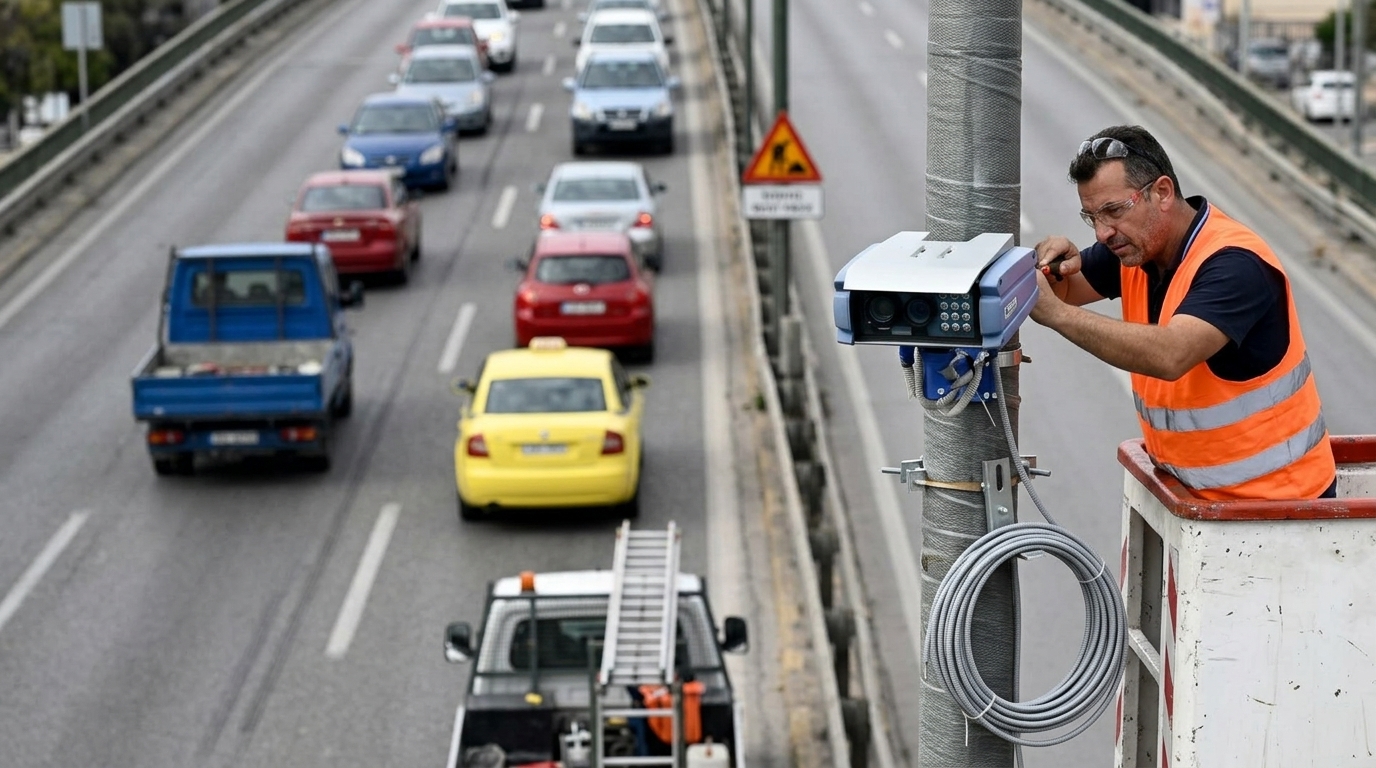
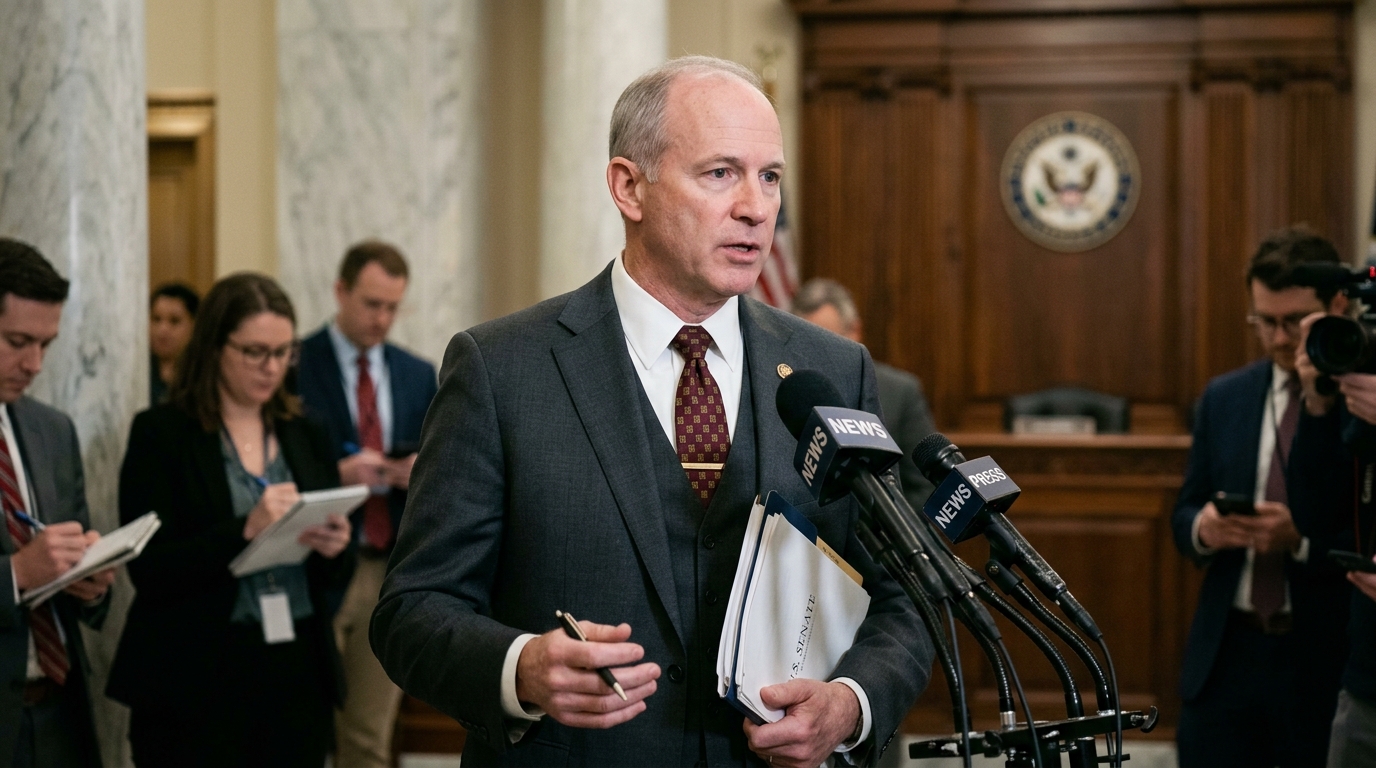
In the United States, the approach is more fragmented but equally aggressive. President Biden’s Executive Order on Safe, Secure, and Trustworthy AI attempts to balance innovation with national security. The industry, particularly the automotive sector heavily represented in Detroit, is watching closely. The transition to autonomous driving is not just a technological issue but a legal one: if software causes an accident, does the liability rest with the driver, the vehicle manufacturer, or the algorithm's developer?
Intellectual Property and the End of Fair Use?
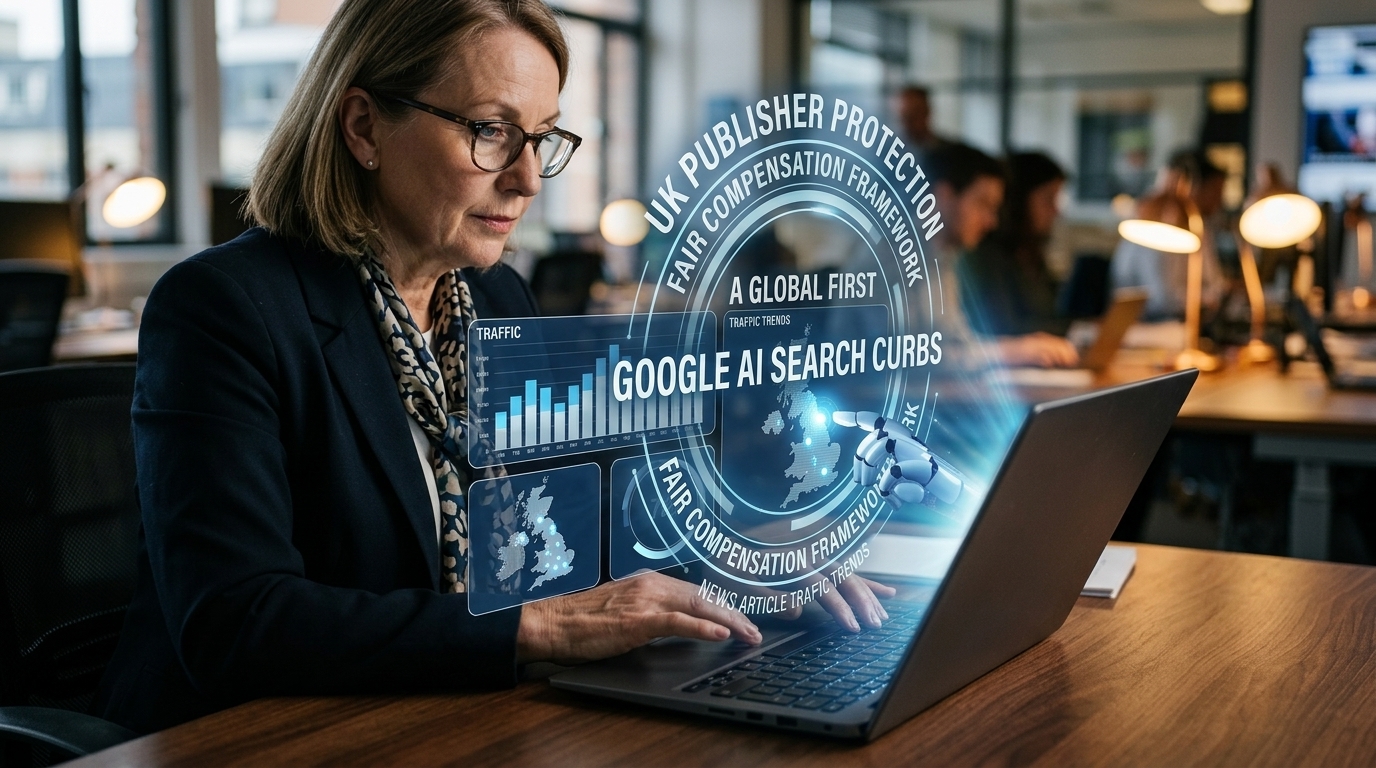
One of the most intense legal battles is being fought in the field of intellectual property. Major news organizations and artists are suing AI giants, arguing that training Large Language Models (LLMs) on their data constitutes theft. The defense of tech companies relies on the doctrine of "Fair Use," claiming that AI creates something entirely new and transformative.
- The case of The New York Times vs. OpenAI serves as a landmark that will define the future of journalism.
- Artists are demanding "opt-in" systems rather than "opt-out" for the use of their works.
- Copyright law is being challenged to define whether a machine can be considered an "author."
The outcome of these legal battles will determine whether AI will continue to feed for free on human creativity or if it will be forced to pay for every byte of data it consumes, a move that would radically change the industry's economic models.
Labor Rights and Union Intervention
In Detroit, the hub of American industry, concerns about AI are translating into union action. The United Auto Workers (UAW) and other labor organizations are not fighting technology itself, but its use to devalue labor or enforce authoritarian surveillance. Legal claims are focusing on "algorithmic management," where workers are evaluated or fired by AI systems without human intervention.
"We cannot allow artificial intelligence to become the new tool for deconstructing labor relations won through decades of struggle," industry labor leaders state.
Legal protection for workers from automation requires new legislation guaranteeing the right to a "human-in-the-loop." This means that no critical decision regarding a person's life—whether it concerns their job, health, or freedom—should be made exclusively by a machine.
Conclusion: Towards an Ethical Jurisprudence
The convergence of AI and Law is not a simple technical adjustment; it is a profound philosophical and political challenge. Regulators are called to protect citizens without stifling progress. As stakeholders react, it becomes clear that the future of AI will be written in courtrooms as much as in laboratories. Transparency, accountability, and fairness must be embedded into the code itself before the code becomes the de facto law of our world.