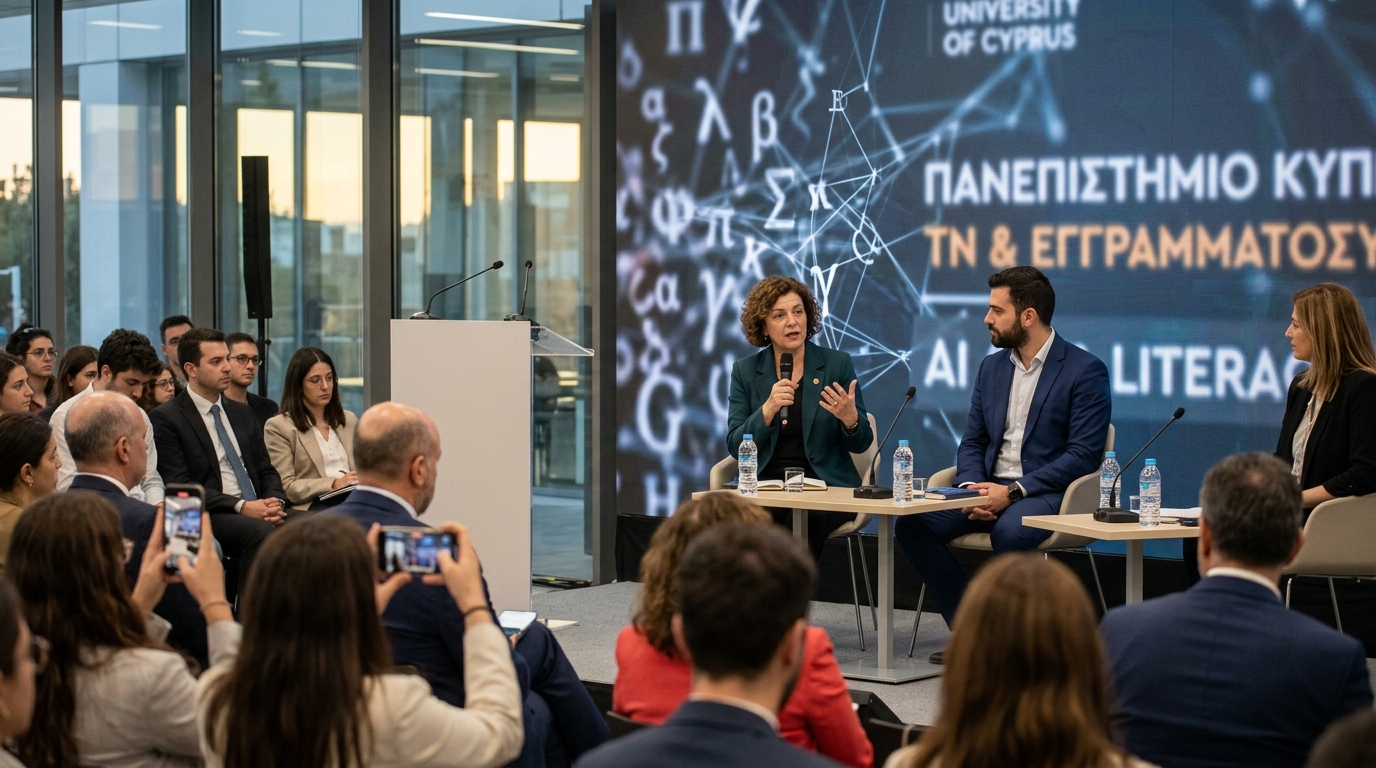
In an era where algorithms are no longer confined to data processing but are boldly encroaching upon the sacred sanctuary of human creativity, the University of Cyprus (UCY) has taken the initiative to pose the critical questions. The recent event on Artificial Intelligence (AI), writing, and literacy was not merely an academic exercise; it was a necessary mapping of a new cultural landscape. In a packed hall at the University Campus, academics, authors, and students confronted the reality of 2026: AI is no longer the future, but the present of literary production.
The Metamorphosis of the Author: From Creator to Curator
The core problematic discussed revolved around the nature of authorship. With the advent of sophisticated large language models, the process of writing is shifting from creation ex nihilo to the curation of machine-generated content. Speakers emphasized that AI can function as a "tireless assistant," offering alternative structures, corrections, and ideas, yet the danger of stylistic homogenization looms large. When an algorithm is trained on the average of human writing, the result tends to lack the "edge" and idiosyncrasy that characterize great literature.
However, more optimistic voices were also heard. AI can democratize writing, providing tools to individuals who possess the imagination but lack technical training or linguistic fluency. The pressing question remains: Where does the tool's assistance end and plagiarism begin? The need for a new ethical framework in writing is more urgent than ever, as the boundaries of intellectual property become increasingly blurred.
Literacy in the Age of Speed
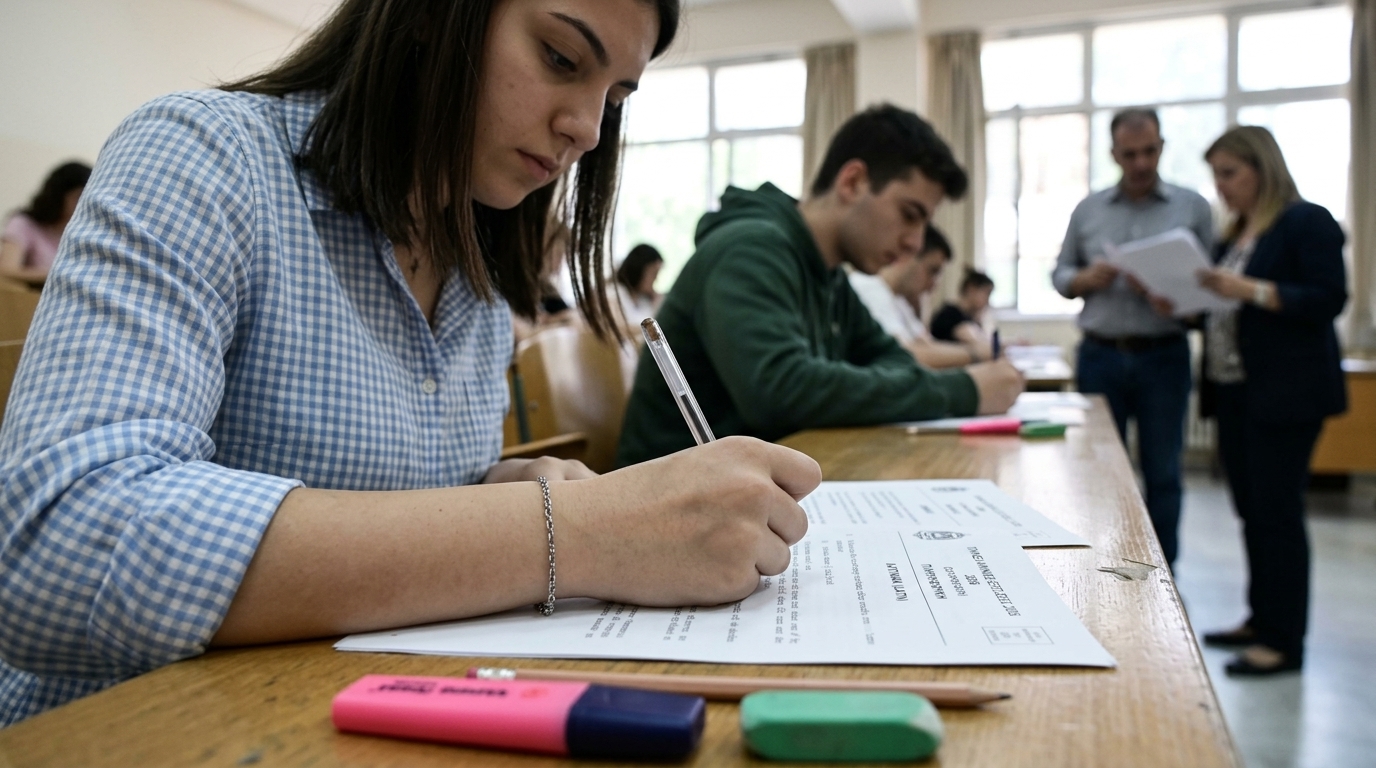
Perhaps the most concerning part of the discussion focused on literacy (philagnosia). In a world where AI can summarize a 500-page book into five paragraphs, what remains of "deep reading"? Participants expressed concerns about the gradual loss of young readers' ability to immerse themselves in complex texts. Reading is not just the consumption of information; it is a cognitive exercise in empathy and critical thinking.
The University of Cyprus, through its research programs, proposes using AI as a bridge to the book rather than a substitute. For instance, interactive applications that allow readers to "converse" with characters from a classic work or explore the historical context of a novel through augmented reality can reignite interest in literature. The challenge is to use technology to enhance the human experience, not to bypass it.
Education as a Bulwark and a Compass
The seminar concluded by focusing on the role of educational institutions. UCY appears to be adopting a progressive stance, integrating digital literacy into its curricula. It is not enough to know how to use AI; one must understand how it works, what its biases (algorithmic bias) are, and how to maintain critical autonomy. Writing and reading remain the pillars of democracy, and protecting them from automated shallowness is a battle that must be fought within university classrooms.
- The need to redefine the concept of the "creator" in the digital age.
- The importance of preserving "slow reading" as an antidote to algorithmic summarization.
- The role of AI in supporting individuals with learning disabilities in writing.
- The ethical dimension of using data from the works of living authors to train AI models.
In conclusion, the event at the University of Cyprus highlighted that artificial intelligence is not the enemy of letters, but a mirror forcing us to see what truly makes us human: our need to tell stories that hold meaning, beyond the statistical probability of the next word.