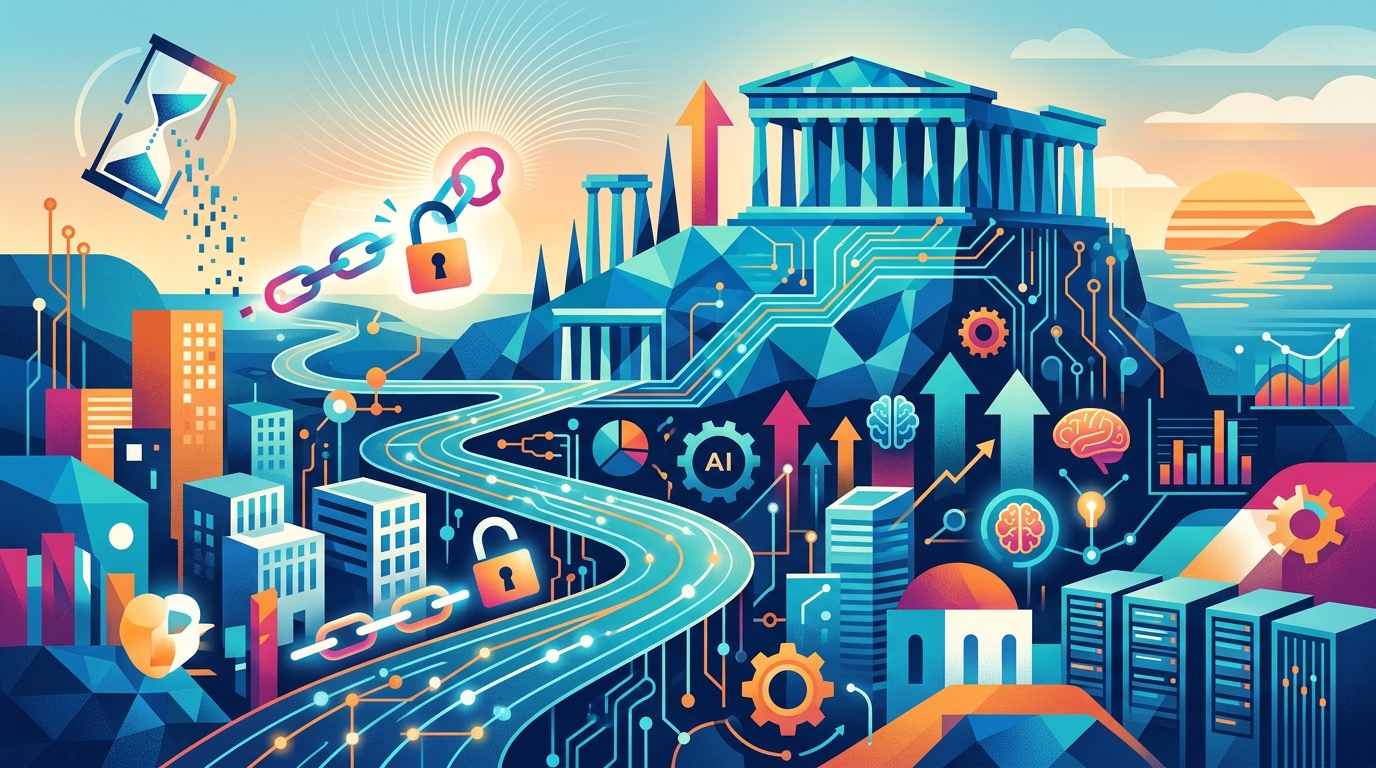
Europe stands at the threshold of one of the most radical transformations in the history of its industrial infrastructure. As the climate crisis accelerates and the need for energy independence becomes imperative, the European Union is implementing an ambitious action plan for the digitalization of the energy system. At the heart of this effort are not just wind turbines and solar panels, but Artificial Intelligence (AI) algorithms that will take on the role of the "brain" of the future grid.
The Challenge of Volatility
The traditional power grid was designed for an era where production was centralized (large coal or gas plants) and the flow of energy was one-way: from the plant to the consumer. Today, the rise of Renewable Energy Sources (RES) is overturning this model. Production is now dispersed across thousands of small points and, crucially, it is unpredictable. The sun doesn't always shine, and the wind doesn't blow at a constant intensity.
This is precisely where Artificial Intelligence comes in. Through advanced machine learning models, grid operators can now predict RES production with second-by-second accuracy by analyzing vast amounts of meteorological data. This allows for better balancing of supply and demand, reducing the need for polluting base-load plants that act as "backups."
The European Action Plan and Investments
According to the European Commission's plan, investments of 584 billion euros are required by 2030 to modernize and digitalize electrical grids. The plan envisions the creation of a "Digital Twin" of the European electricity system, which will allow for real-time simulation of various crisis scenarios or demand peaks.
- Deployment of smart meters in every household to manage consumption.
- Integration of AI-controlled energy storage systems (batteries).
- Creation of common European energy data spaces to enhance interoperability.
Digitalization is not just about efficiency; it's about energy democracy. Energy communities and individual producers (prosumers) will be able to sell their excess energy to the grid automatically, through platforms based on blockchain and AI, ensuring the best prices in real-time.
Greece's Strategic Position
For Greece, the stakes are enormous. Our country aspires to become an energy hub for Southeast Europe through major international interconnectors like the Great Sea Interconnector. IPTO (ADMIE) and HEDNO (DEDDIE) have already begun their digital transformation, integrating telemetry and AI systems for fault prevention and flow optimization across the islands and the mainland.
"The transition to a green grid is impossible without its digital upgrade. Artificial Intelligence is the key that will unlock the full potential of renewables," market executives state.
Cybersecurity: The Achilles' Heel
However, increased reliance on digital technologies brings new risks. A digitalized grid is more vulnerable to cyberattacks. Europe is investing significantly in developing cybersecurity protocols that use AI to detect anomalous behavior in the grid, aiming to prevent potential sabotage of critical infrastructure. Protecting consumer data also remains a critical challenge that must be addressed with strict regulatory frameworks.
Conclusion
The European plan to connect grids with Artificial Intelligence is not merely a technical upgrade; it is a political and economic choice that will determine the continent's competitiveness in the coming decades. The success of this venture will decide whether Europe can lead the global effort for decarbonization while ensuring affordable and stable energy for all its citizens.