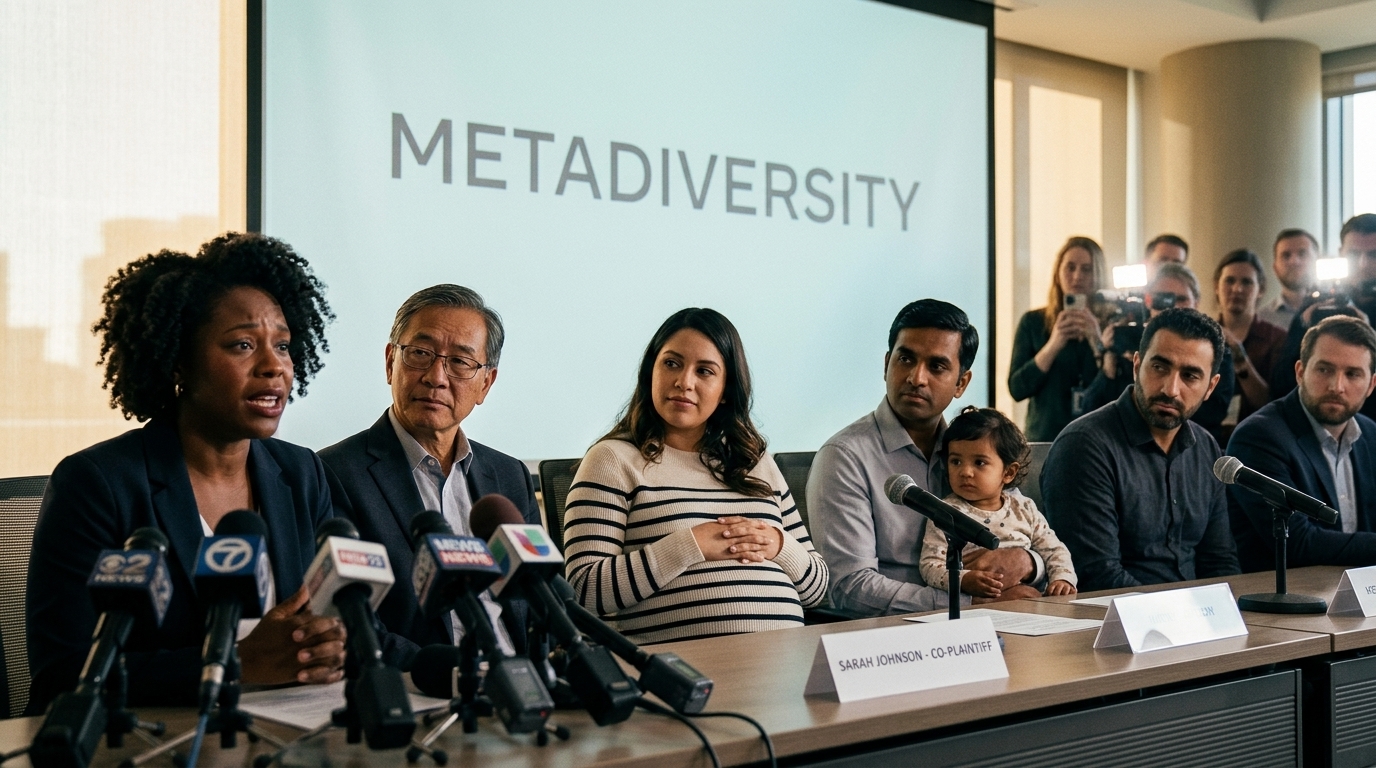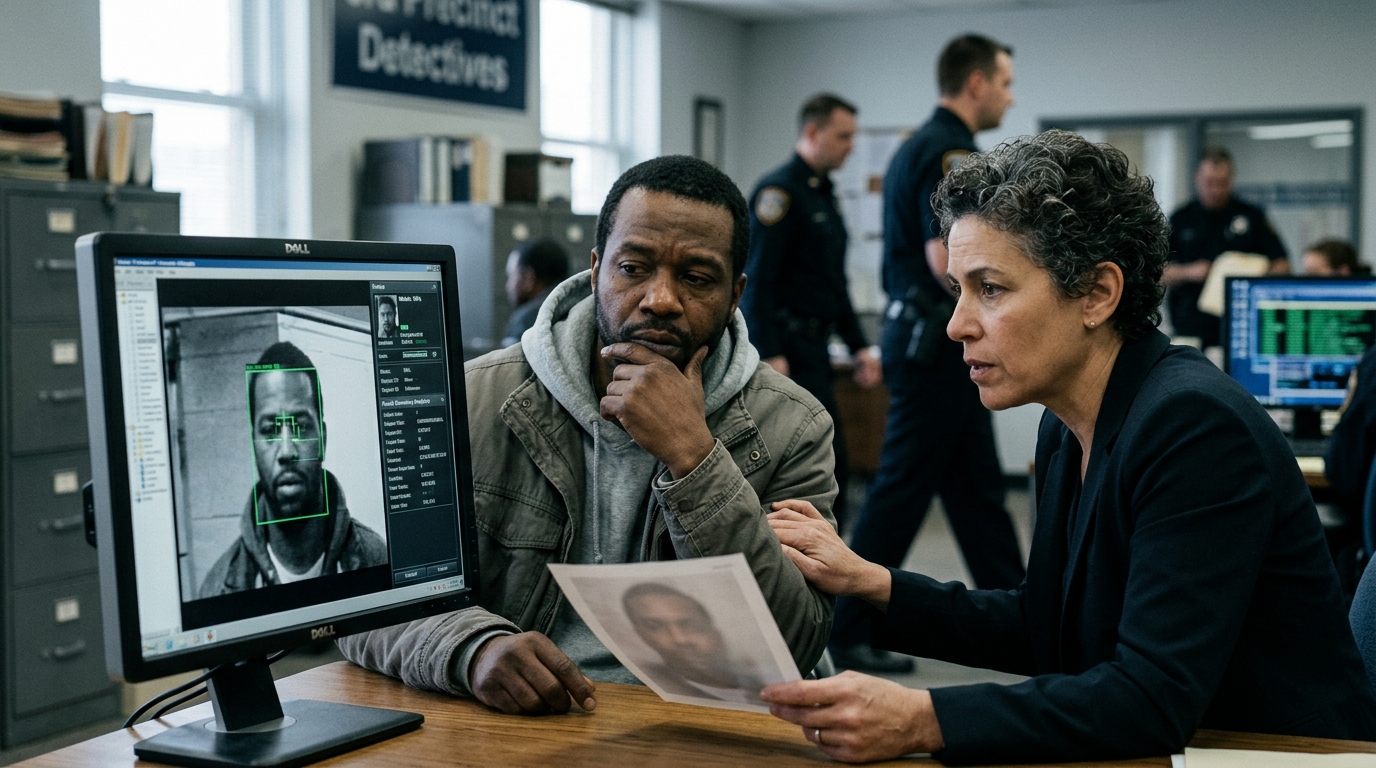
The promise of Artificial Intelligence (AI) as a transformative tool for law enforcement is increasingly colliding with the stark reality of constitutional rights. A recent lawsuit filed by the American Civil Liberties Union (ACLU) in Florida has cast a harsh spotlight on a growing crisis: the over-reliance on facial recognition technology (FRT) that led to the wrongful arrest and detention of an innocent man. This case is not merely an isolated error; it serves as a critical warning about the erosion of human judgment in the age of automation.
The Myth of Algorithmic Infallibility
At the heart of the ACLU’s argument is the concept of "automation bias"—the human tendency to favor suggestions from automated systems over one's own senses or contradictory evidence. In the Florida incident, law enforcement officers allegedly ignored glaring physical discrepancies between the suspect and the actual perpetrator, deferring instead to a "match" generated by an AI algorithm. This blind faith in the machine effectively bypassed the critical thinking necessary for responsible policing.
Facial recognition software is often marketed as a high-precision instrument, yet its performance in real-world scenarios is fraught with variables. Algorithms are frequently trained on datasets that lack diversity, leading to significantly higher error rates for people of color, women, and the elderly. When these technical shortcomings are coupled with the systemic pressure to close cases quickly, the result is a dangerous degradation of the presumption of innocence.
Legal and Constitutional Implications
The ACLU contends that using AI as the primary basis for establishing "probable cause" is a direct violation of the Fourth Amendment, which protects citizens against unreasonable searches and seizures. Legal scholars argue that AI tools should be categorized strictly as investigative leads, requiring independent corroboration before any warrant is issued. The "black box" nature of these proprietary algorithms further complicates the issue, as defendants are often barred from scrutinizing the logic or data that led to their incarceration.
- The lack of federal oversight allows local law enforcement to deploy unvetted AI tools with minimal accountability.
- Tech companies often shield their algorithms behind intellectual property laws, preventing independent audits.
- Wrongful arrests result in lasting psychological trauma, loss of employment, and permanent damage to a citizen's reputation.
The Imperative for Human-in-the-Loop Safeguards
The debate is no longer about whether AI will be used in policing, but under what constraints. The Florida case demonstrates that technology cannot be a substitute for traditional investigative rigor. Experts are calling for mandatory "human-in-the-loop" protocols, ensuring that no algorithmic output can serve as the sole justification for a deprivation of liberty. Every digital match must be treated as a hypothesis to be tested, not a fact to be filed.
In the current landscape of rapid technological acceleration, the legal system is struggling to keep pace. The ACLU is seeking not only damages for the victim but also a judicial precedent that restricts how digital evidence is weighed in court. Protecting civil liberties in the 21st century requires a healthy dose of skepticism toward any system that promises absolute security at the expense of transparency.
"When we allow algorithms to replace critical thinking, we hand the keys to our freedom to a code that possesses neither a conscience nor accountability."
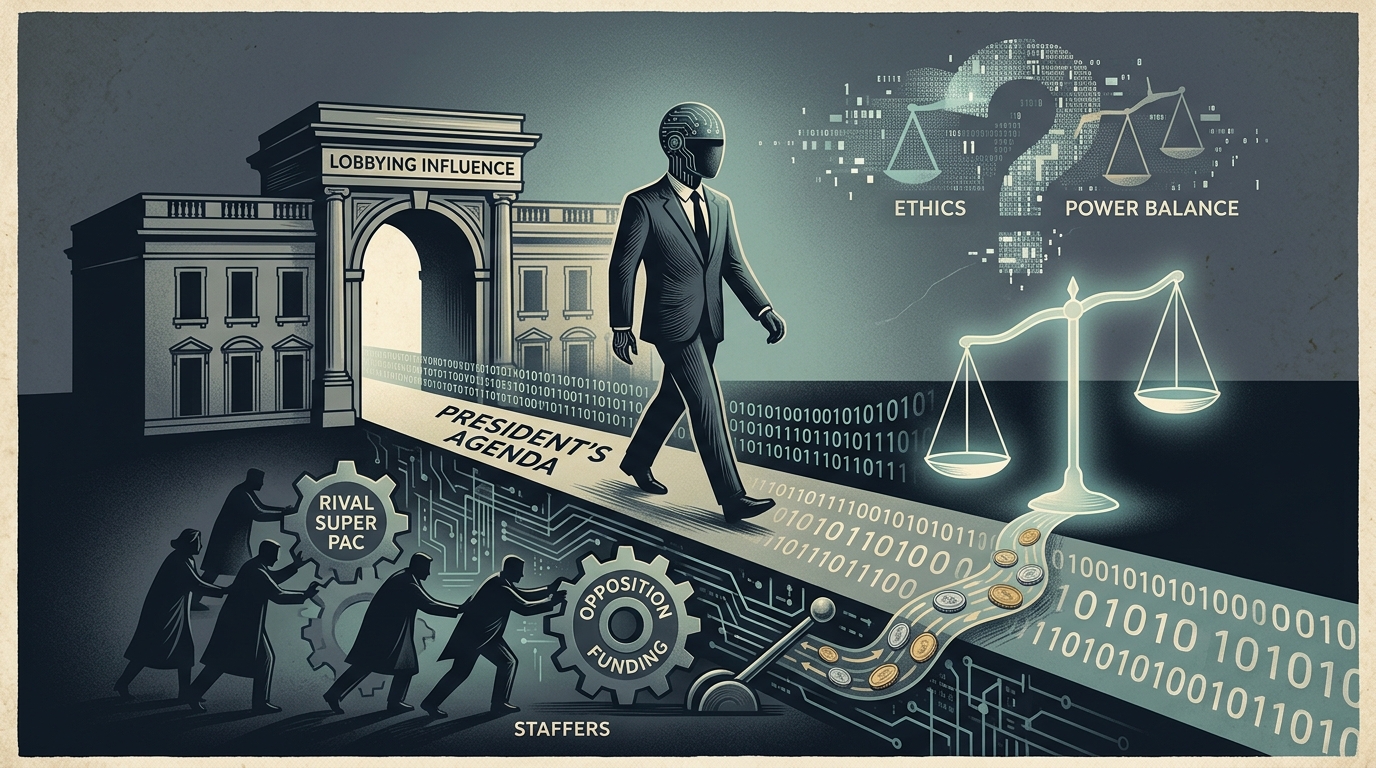
In conclusion, the Florida lawsuit is a watershed moment for modern policing. Unless clear boundaries are established and accountability for machine error is codified, the technology intended to protect society may become a new instrument of state overreach. The balance between innovation and rights must be recalibrated before the 'algorithmic arrest' becomes a standard, rather than an anomaly.