

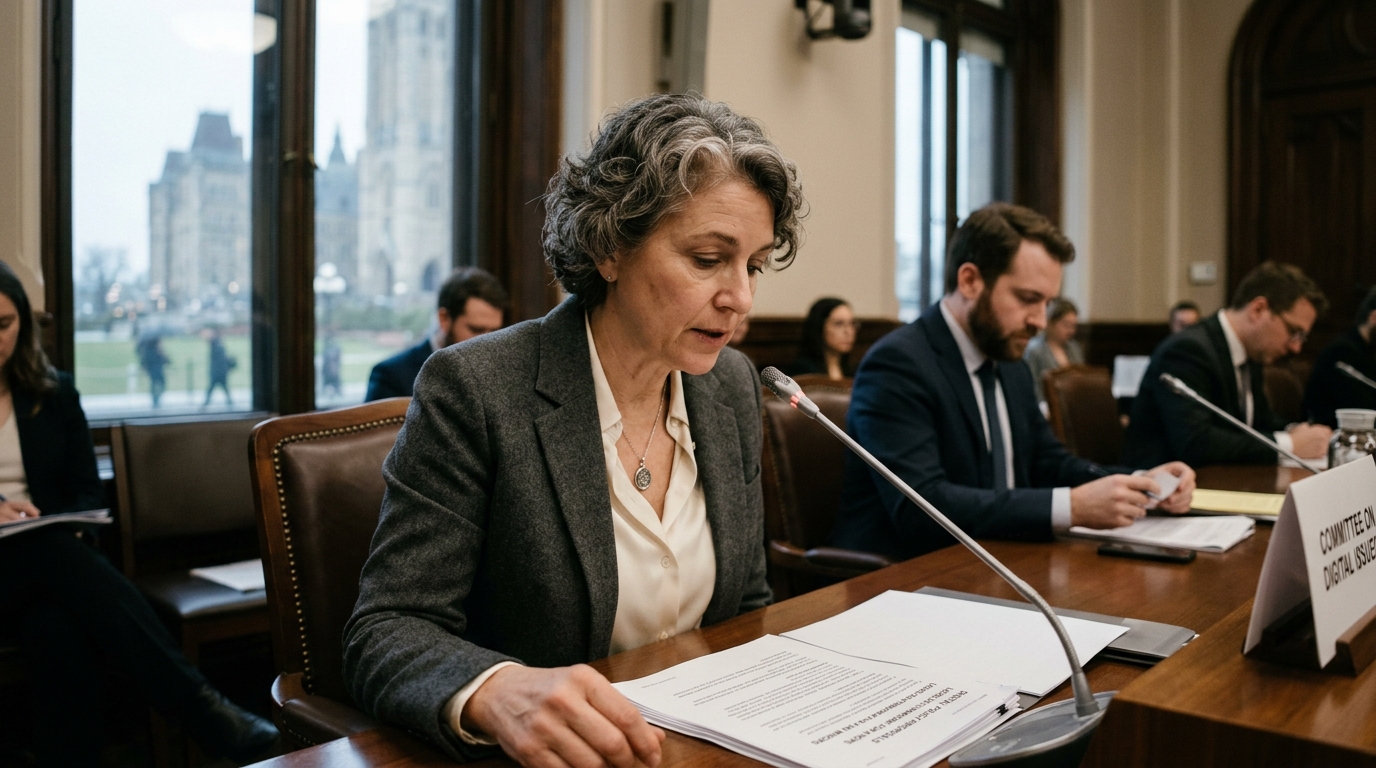
In a move that signals the end of the era of "digital innocence" and the unchecked dominance of tech giants, Canada has announced the introduction of groundbreaking legislation. The bill aims to ban social media access for children under the age of 16 and introduces the most stringent regulatory framework for artificial intelligence (AI) chatbots seen in North America to date.
This initiative is not an isolated event but the culmination of growing global concerns regarding adolescent mental health and the profound impact of algorithms on the development of young people's personalities and public discourse. Canadian Prime Minister Justin Trudeau emphasized that protecting children in the digital realm is as critical as their physical safety, while acknowledging the immense technical hurdles in enforcing such a mandate.
The 16-Year Threshold: Protection or Digital Exclusion?
At the heart of the new legislation lies the enforcement of a strict age limit. Under the proposed framework, platforms such as TikTok, Instagram, and X (formerly Twitter) will be required to implement robust age-verification systems. Moving away from traditional methods where a user simply clicks a birthdate, Canada is exploring biometric solutions or integration with government-issued identification.
Critics of the measure point to a potential blow to privacy, arguing that collecting sensitive data for age verification could create massive databases vulnerable to cyberattacks. However, the government contends that the cost of inaction is significantly higher, citing numerous studies linking excessive social media use to rising rates of depression, anxiety, and self-harm among teenagers. The debate now centers on how to verify age without compromising the anonymity that many consider a core tenet of the internet.
Regulating AI: Chatbots Under the Microscope
Beyond social media, the bill takes a decisive step toward regulating Artificial Intelligence. Specifically, AI chatbots that interact with the public must meet rigorous safety standards. The legislation mandates that companies ensure their models do not generate harmful content, propagate misinformation, or exploit the psychological vulnerabilities of minors.
Particular emphasis is placed on deepfakes and the use of AI to generate non-consensual content. Companies developing Large Language Models (LLMs) will be required to conduct regular audits and report potential risks to the government. This approach mirrors the European Union’s AI Act but is tailored to the specific dynamics of the North American market, focusing heavily on consumer protection and corporate accountability.
Corporate Liability and Massive Penalties
The message to Silicon Valley is unmistakable: the era of self-regulation is over. Canada intends to establish a new regulatory body, the "Digital Safety Commission," which will have the power to impose massive fines—up to 6% of a company’s global annual revenue. For giants like Meta or Google, non-compliance could result in penalties reaching billions of dollars.
Furthermore, the legislation mandates the removal of specific types of harmful content within 24 hours of being flagged. Platforms will be held accountable not just for user-generated content, but for the way their recommendation algorithms function. The government is particularly concerned with "rabbit hole" effects, where algorithms push users toward increasingly radical or harmful content to maximize engagement.
A Global Trend and the Path Forward
Canada’s initiative follows in the footsteps of Australia, which recently passed a similar ban. This creates a growing coalition of democratic nations attempting to harness technological power through legislative guardrails. The lingering question is whether technology can truly be contained by geographic borders, or if tech-savvy teenagers will simply bypass these restrictions using VPNs and other tools.
Regardless of the implementation challenges, Canada’s move is a milestone. It acknowledges that the digital space is not a neutral vacuum but a complex environment that requires rules, ethics, and state intervention to protect the most vulnerable members of society. The battle for the control of children's attention and data has entered a new, far more serious phase, setting a precedent that other nations are likely to follow.





