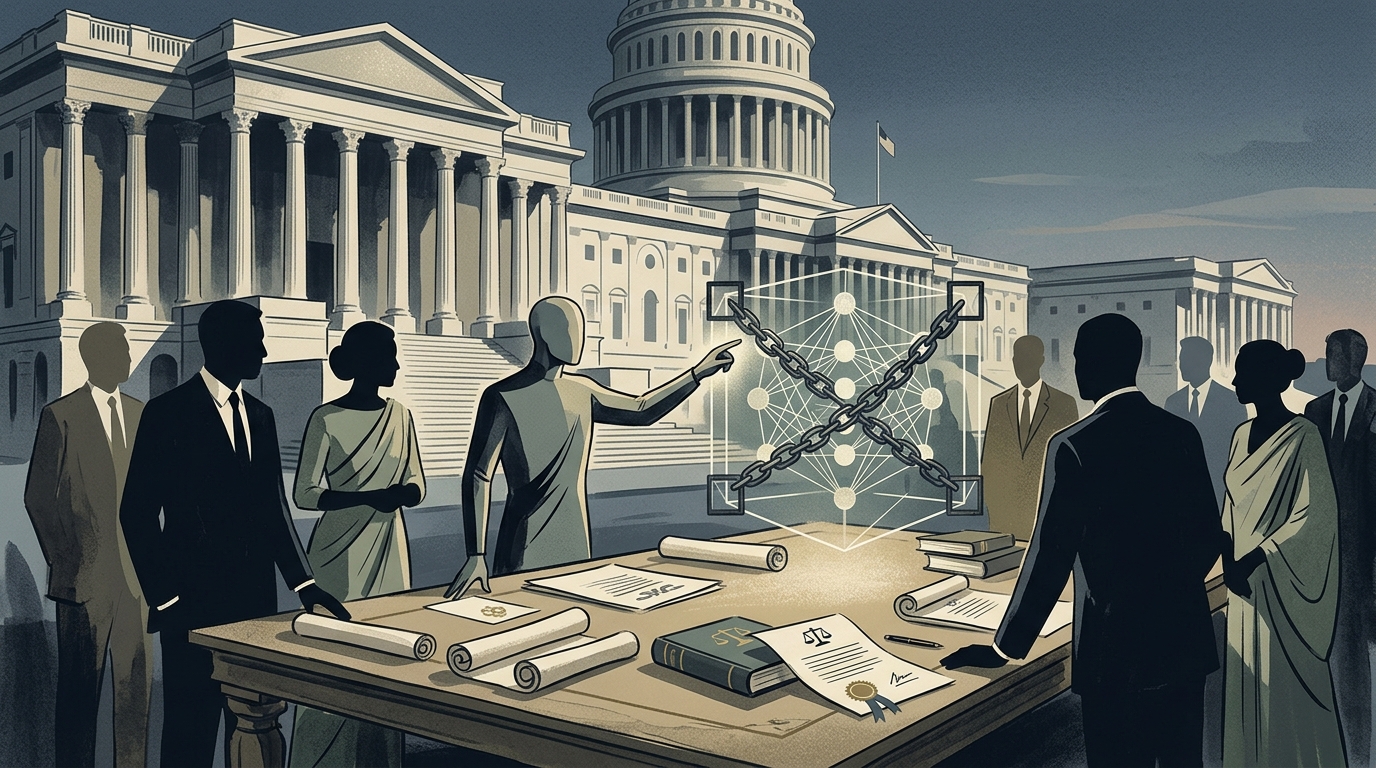
In an era where technological progress seems to outpace human comprehension, Dario Amodei, the mastermind behind Anthropic and the Claude AI models, has made a move that many describe as a "historical necessity" and others as a "strategic maneuver." Speaking before lawmakers in Washington, Amodei did not merely ask for guidelines; he demanded a rigorous, binding regulatory framework for frontier AI models. His intervention, highlighted by Punchbowl News, underscores the widening chasm between Silicon Valley and regulators, as well as the internal divisions within the industry itself.
The Threat of Catastrophic Risks
Amodei did not mince words. His arguments focused on what he terms "medium-term existential risks." According to the Anthropic CEO, the ability of AI models to assist in creating biological weapons or launching mass cyberattacks is no longer a science fiction scenario, but a dangerously approaching reality. Anthropic has already released white papers detailing how large-scale models could democratize access to hazardous biological knowledge, potentially allowing non-state actors to cause global havoc.
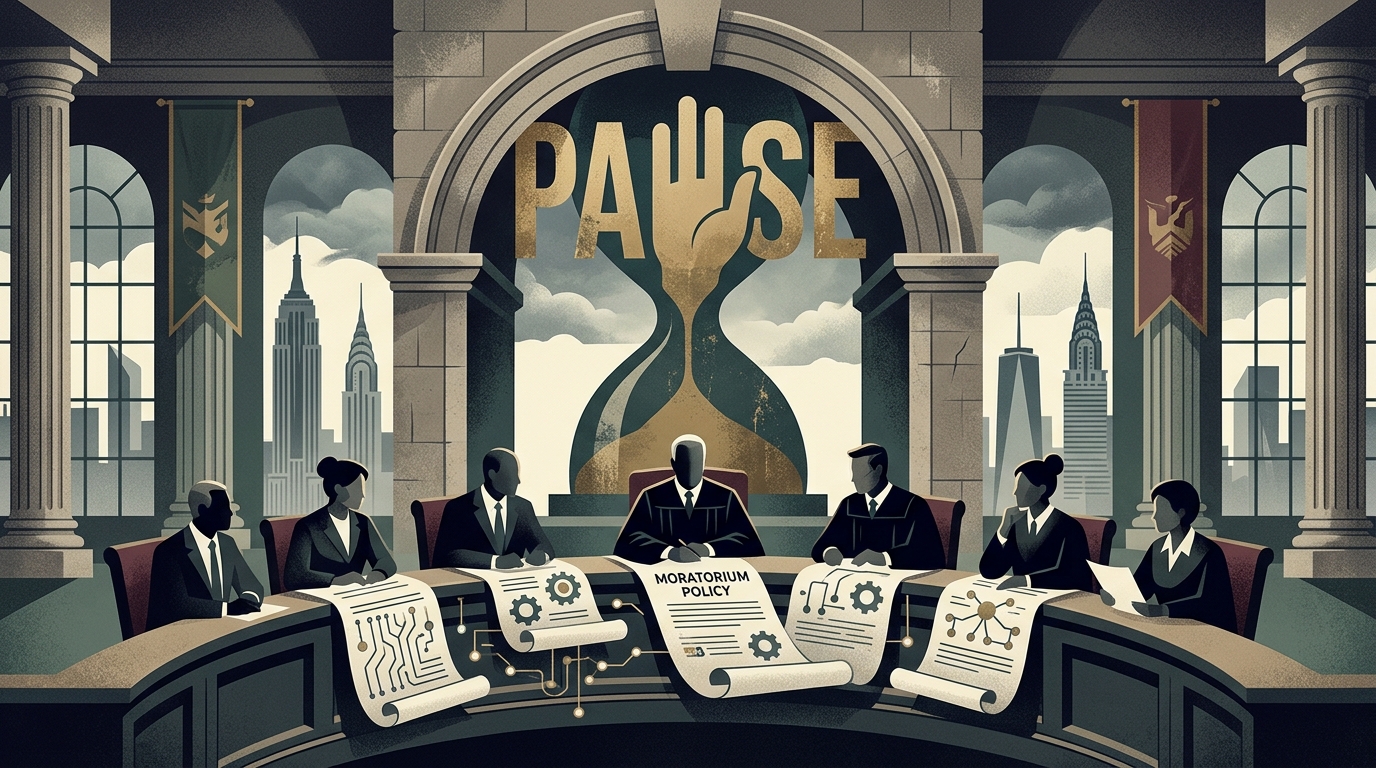
"We do not have the luxury of waiting for the first major accident to act," Amodei emphasized. His proposal is centered on the concept of "Responsible Scaling Policies" (RSPs). This framework dictates that as a model's computing power and capabilities increase, security measures must tighten proportionally. If a model demonstrates capabilities that cross certain "red lines," further development should be paused until safety can be proven.
The Geopolitical Chessboard and the China Race
One of the most contentious points in the Washington debate is the balance between regulation and national power. Many lawmakers fear that imposing strict rules on American companies will hand the lead to China. Amodei, however, argues the opposite: safety is an advantage. He contends that an "uncontrolled" AI is dangerous for any state, and that the U.S. setting global standards will force other players to follow suit to maintain access to international markets and technological collaboration.
- Protection of critical infrastructure from autonomous cyber-hacking.
- Strict controls on the semiconductor (chips) supply chain.
- Creation of a federal oversight body with deep technical expertise.
This stance stands in stark contrast to other giants like Mark Zuckerberg's Meta, which promotes an "open source" model. Amodei warns that releasing the weights of extremely powerful models onto the internet is an irreversible act that could equip malicious actors with tools of mass destruction.
Regulatory Capture or Genuine Concern?
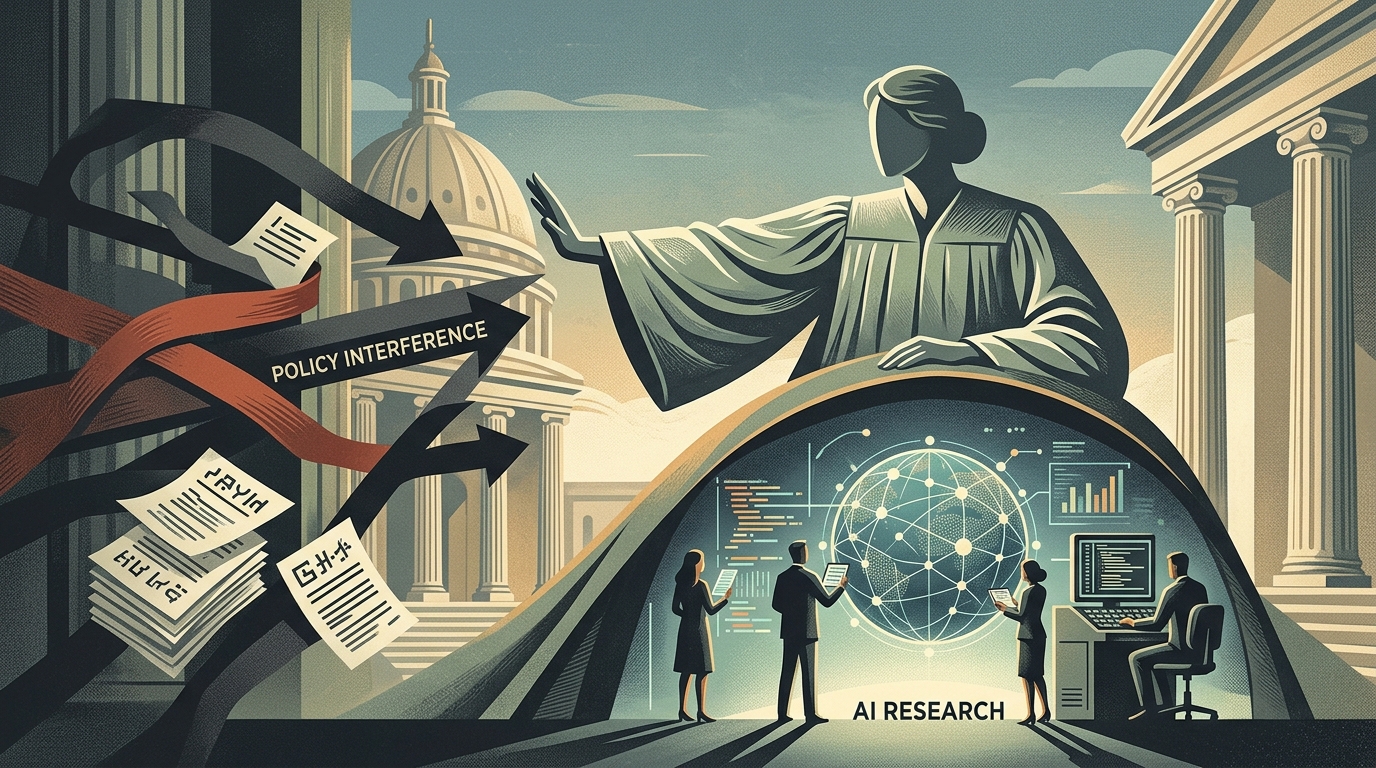
Despite the noble intentions cited by Amodei, criticism is fierce. Smaller startups and academics warn of the danger of "regulatory capture." If Congress adopts rules that require massive resources for compliance and safety audits, only wealthy incumbents like Anthropic, OpenAI, and Google will be able to survive. This could lead to an oligopoly, stifling innovation and competition.
"Regulation must not become the wall that keeps new players out of the market, but the shield that protects society from the excesses of the powerful," notes a prominent industry analysis.
Amodei maintains that Anthropic, as a Public Benefit Corporation, has safety—not just profit—in its DNA. The challenge for Washington in 2026 is to find the "Golden Mean": to legislate in a way that prevents biological disaster without turning Silicon Valley into an exclusive club for the elite.