The meteoric rise of generative artificial intelligence has brought a wave of innovation, but it has also unveiled a darker side that directly threatens human dignity. At the epicenter of this ethical storm are so-called "nudification apps"—tools that leverage diffusion models to digitally remove clothing from images of unsuspecting individuals. What began as a niche technological capability has metastasized into a global epidemic of non-consensual pornography, forcing governments and tech giants to take unprecedented action.
The Anatomy of a Digital Threat
These applications are no longer the exclusive domain of sophisticated hackers. Thanks to the democratization of AI, anyone with a smartphone and a basic internet connection can generate hyper-realistic, sexually explicit images in seconds. The technology powering these tools is based on neural networks trained on vast datasets of human imagery, learning to "predict" and render what a human body looks like beneath clothing. The result is a false but visually convincing representation used for blackmail, harassment, and the systematic destruction of personal reputations, primarily targeting women and minors.
The ease of use and the anonymity afforded by the internet have made controlling these apps a Herculean task. Despite major platforms like Apple and Google banning such software from their official stores, developers find refuge on third-party websites, decentralized hosting services, and encrypted messaging apps like Telegram, turning the effort into a digital game of whack-a-mole.
Legislative Counteroffensive: The DEFIANCE Act and Beyond
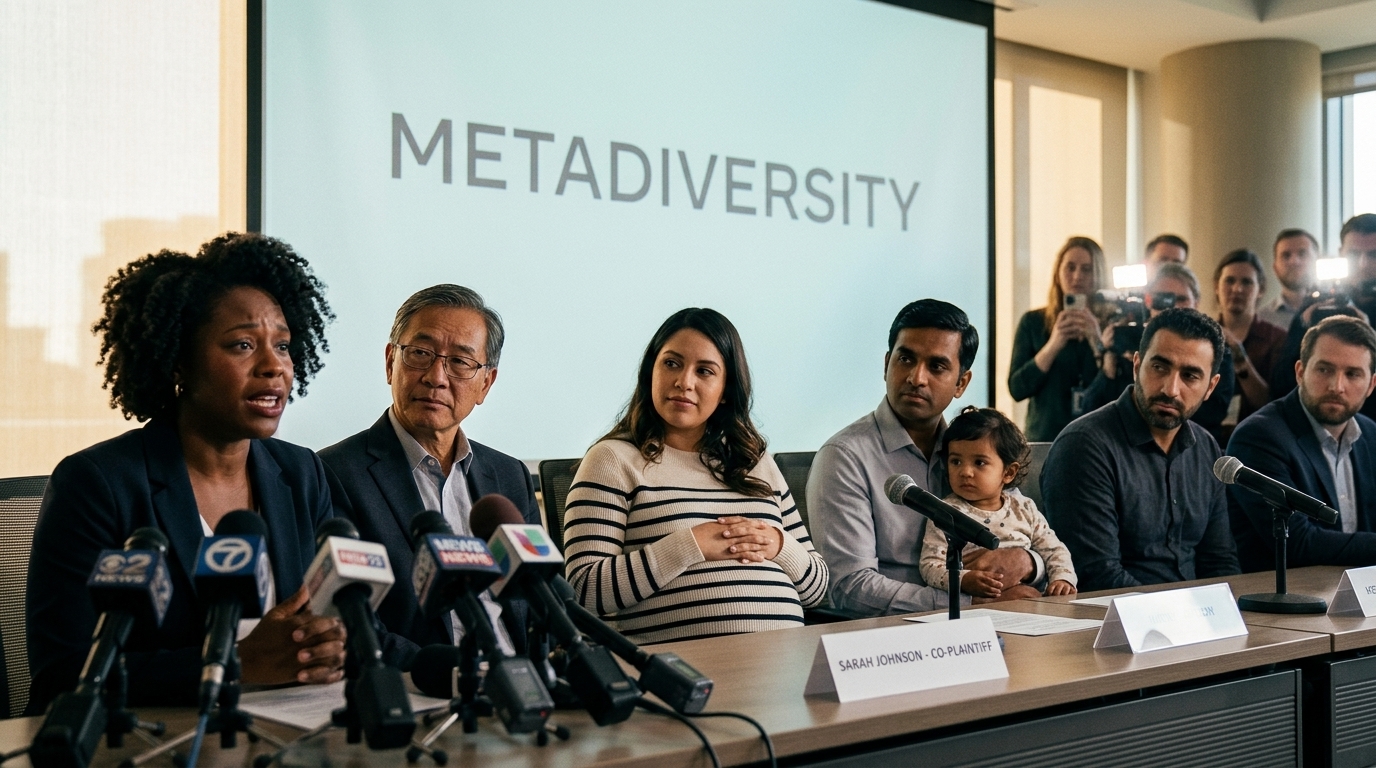
In the United States, the push for federal intervention reached a tipping point with the introduction of the DEFIANCE Act (Disrupt Explicit Forged Images and Non-Consensual Edits Act). This landmark legislation aims to empower victims by providing them the right to sue creators and distributors of such content, even in cases where no commercial profit is involved. The significance of this act lies in its legal recognition that the creation of the content itself—regardless of whether the image is "real" or AI-generated—constitutes an act of violence and a violation of bodily autonomy.
- Criminalization of the production and distribution of non-consensual AI content.
- Civil liability for platforms that knowingly host or facilitate access to such material.
- Enhanced victim rights for the expedited removal of content from search engine results.
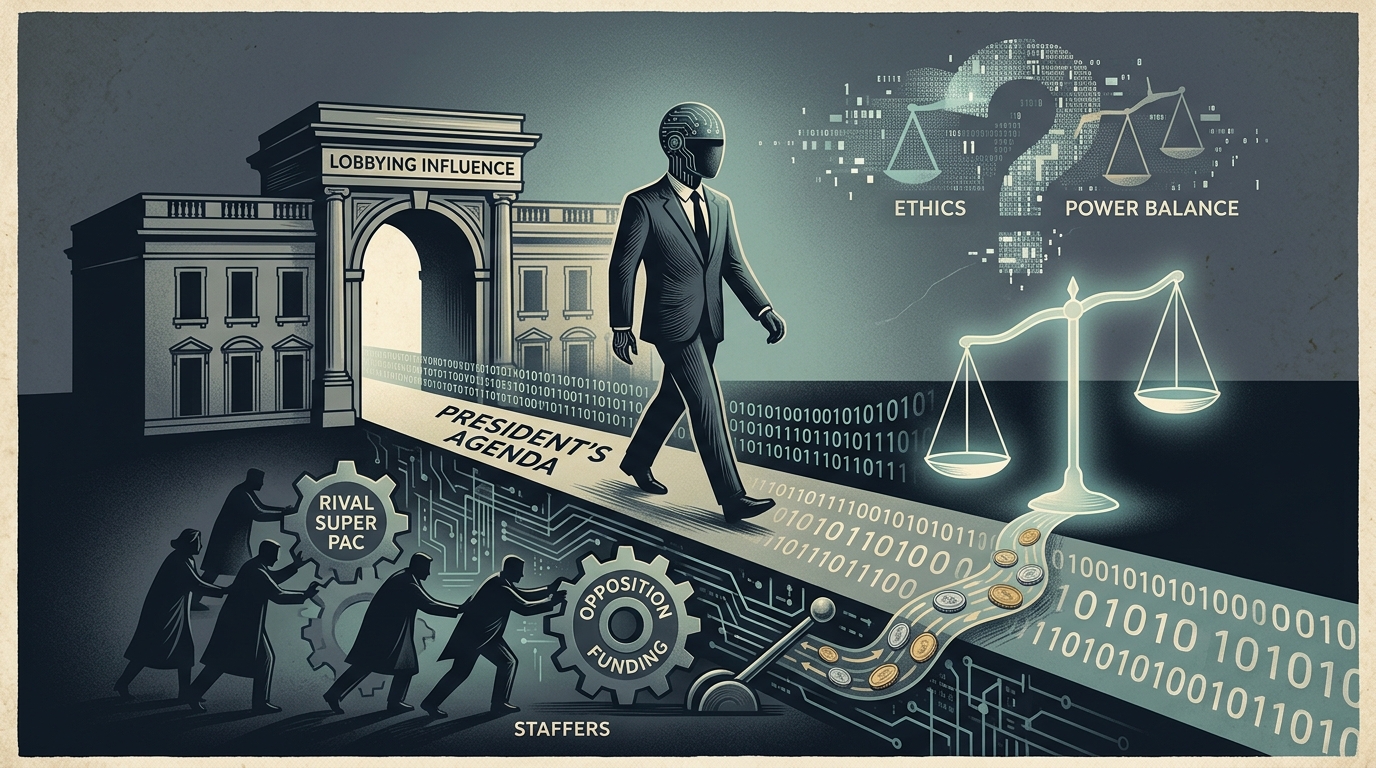
Across the Atlantic, the European Union's AI Act also sets stringent rules for deepfake transparency and accountability. However, critics argue that legislation often lags behind the breakneck speed of technological development. The challenge remains to strike a delicate balance between protecting individual privacy and avoiding overreaching censorship that could stifle legitimate AI innovation in fields like medicine or digital arts.
Social Impact and the Psychological Toll
Beyond the legal and technical debates, the proliferation of nudification apps reflects a deeper societal crisis. Victims often suffer from severe psychological trauma, social isolation, and the loss of professional opportunities. In educational institutions worldwide, there has been a disturbing surge in incidents where students use these tools against their peers, creating a toxic environment of cyberbullying that educators are ill-equipped to handle.
"This isn't just a technology problem; it's the weaponization of technology against human autonomy," says Dr. Sarah Jenkins, an AI ethics researcher. "Banning the apps is a necessary first step, but we also need a fundamental shift in digital literacy and our collective understanding of consent in the digital age."
The crusade against nudification apps is not merely a technical or legal battle; it is a moral one. It requires the seamless cooperation of developers, lawmakers, and civil society to ensure that artificial intelligence remains a tool for human advancement rather than a weapon for degradation. As we move further into 2026, the success of these bans will depend on the international community's ability to enforce standards across borders, ensuring that no one is left vulnerable to the predatory use of AI.