The integration of Artificial Intelligence (AI) into the educational process is no longer a futuristic scenario; it is a daily reality radically transforming how we teach and learn. However, behind the enthusiasm for new digital tools lies a profound concern regarding the very essence of human cognition. As educational circles and analysts pointedly observe, while AI is galloping ahead, "natural" intelligence seems to be at a critical crossroads, facing the risk of cognitive atrophy.
The Trap of Cognitive Ease
The primary argument in favor of AI in education is personalization. Algorithms can tailor material to each student's needs, identifying gaps and providing immediate feedback. Yet, this "ease" conceals a trap. Learning, in its traditional form, requires effort, intellectual labor, and facing difficulty. When a machine provides ready-made answers or composes essays in seconds, the student is deprived of the process of synthesis, analysis, and critical evaluation of sources.
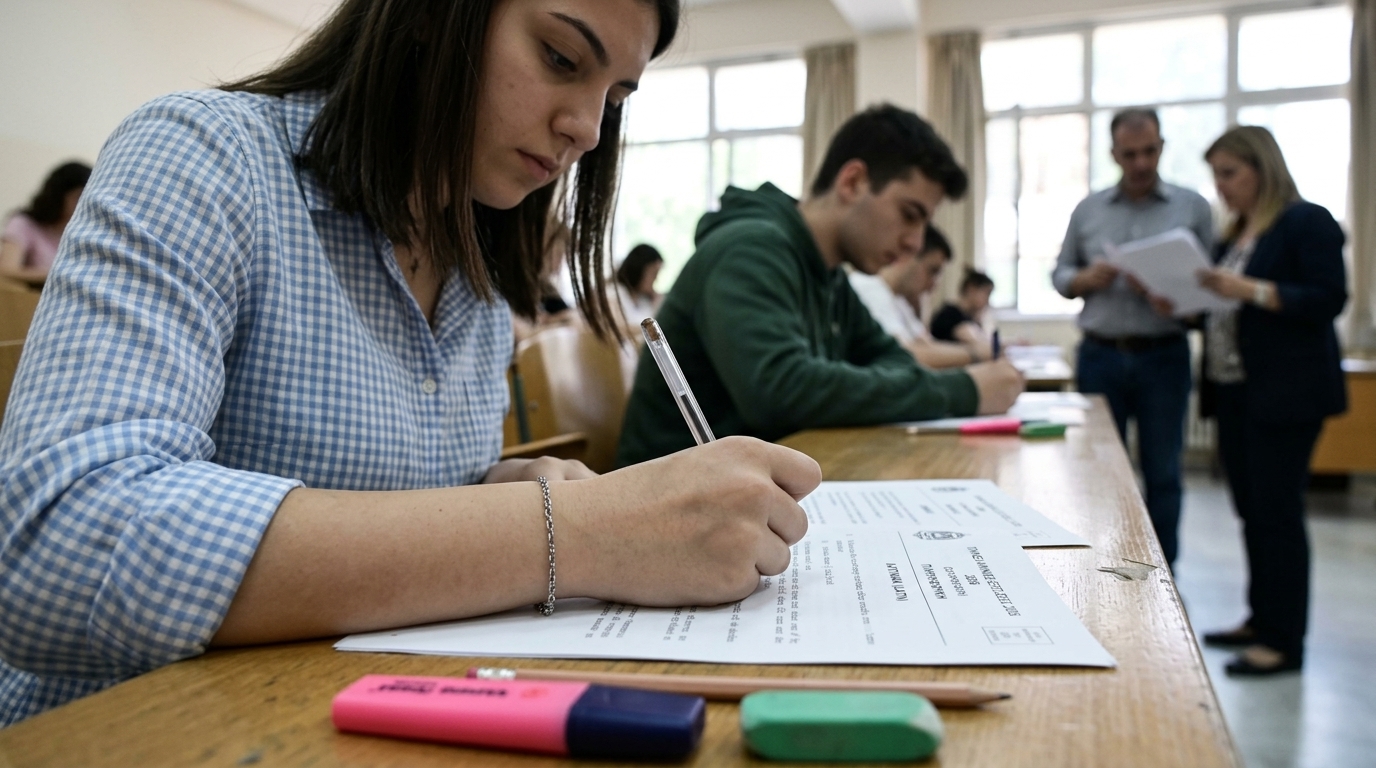
In Greece, an educational system that has traditionally relied on rote memorization (the infamous "papagalia") now faces a new challenge. If natural intelligence is not trained to ask the right questions, artificial intelligence will end up being a mechanism for producing persuasive but hollow content. The danger is not that machines will become smart, but that humans will become intellectually lethargic, relying exclusively on external tools for decision-making and creative thinking.
The Teacher's Role as a Beacon of Critical Thinking
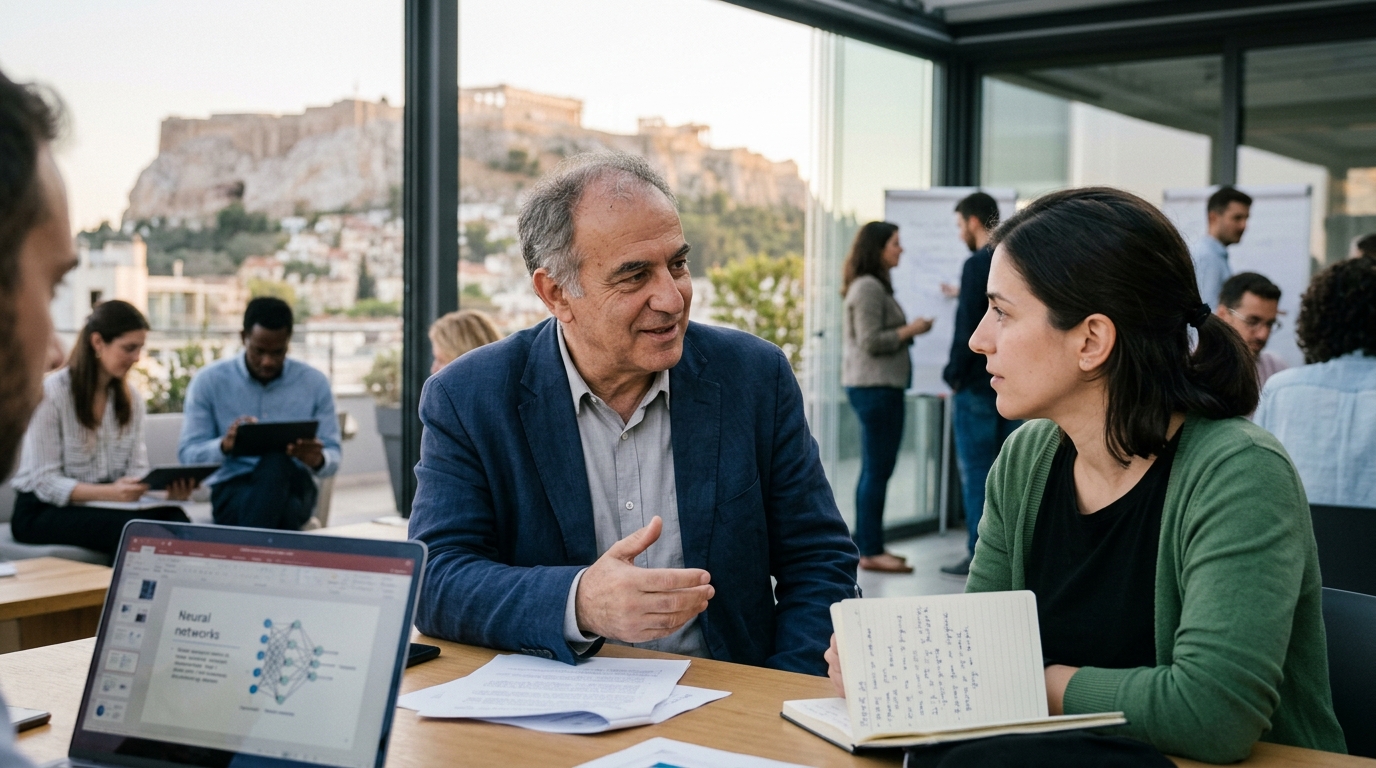
In this new landscape, the role of the teacher and professor is elevated but also fundamentally changed. They are no longer the sole possessors of knowledge—knowledge is everywhere online—but the mentors who will teach students how to navigate the ocean of information. Natural intelligence must be fortified with ethical criteria, the ability to discern falsehood (deepfakes, misinformation), and, above all, empathy.
- AI can grade a test, but it cannot understand the psychology of a teenager who fails.
- AI can synthesize a historical overview, but it cannot feel the weight of history's ethical dilemmas.
- Natural intelligence is what gives meaning to data, transforming information into wisdom.
The Greek educational community must integrate technology not as a substitute for thought, but as an enhancer of it. This requires a revision of curricula, with an emphasis on the humanities, philosophy, and arts education—fields where human uniqueness remains unsurpassed.
Towards a Symbiotic Relationship
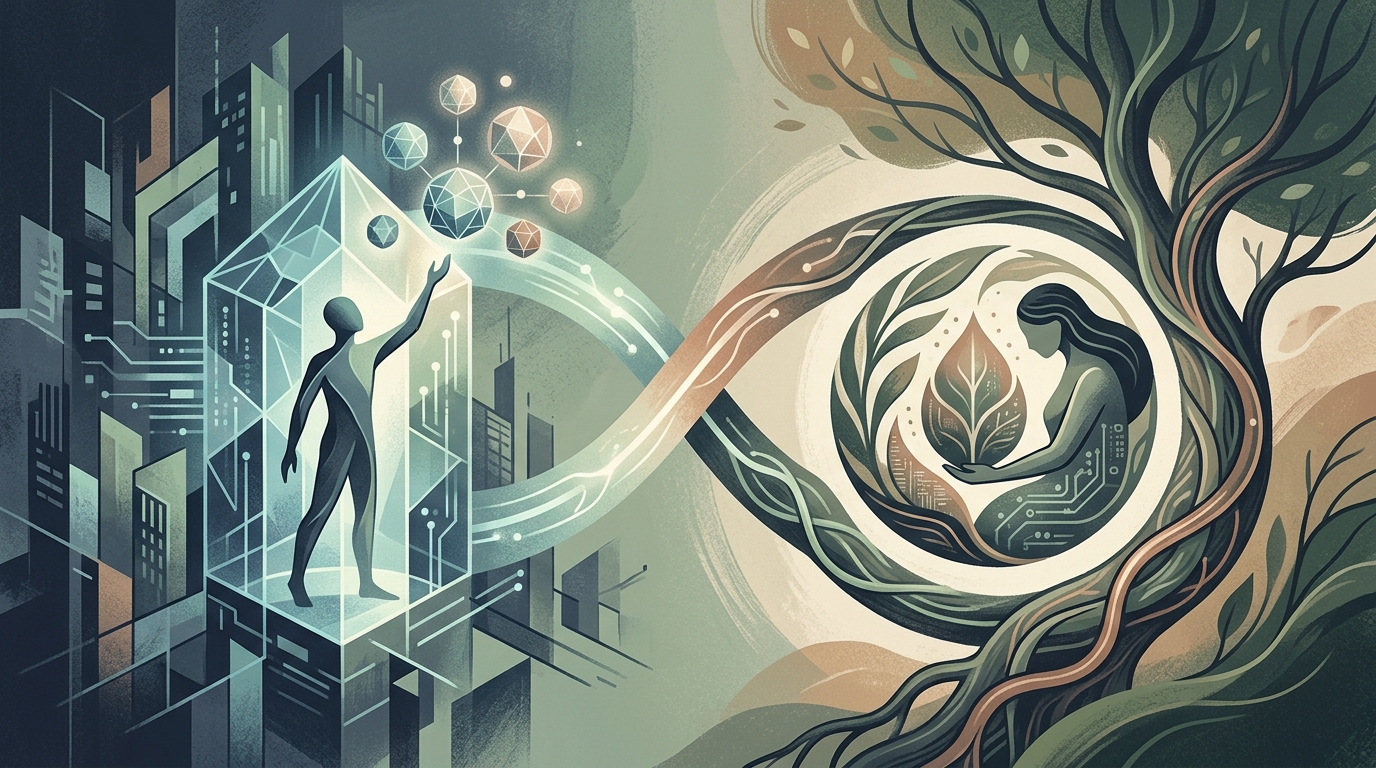
The stakes are not "Artificial vs. Natural Intelligence." Real progress will come through convergence. Natural intelligence must remain the "pilot," setting goals and ethical boundaries, while artificial intelligence acts as the "fuel" that accelerates research and productivity. If we allow technology to replace the process of thinking, we will end up with a society of capable users but incapable thinkers. 21st-century education must be, above all, an education of freedom and intellectual autonomy.
"Technology is just a tool. In terms of getting the kids working together and motivating them, the teacher is the most important." — Bill Gates
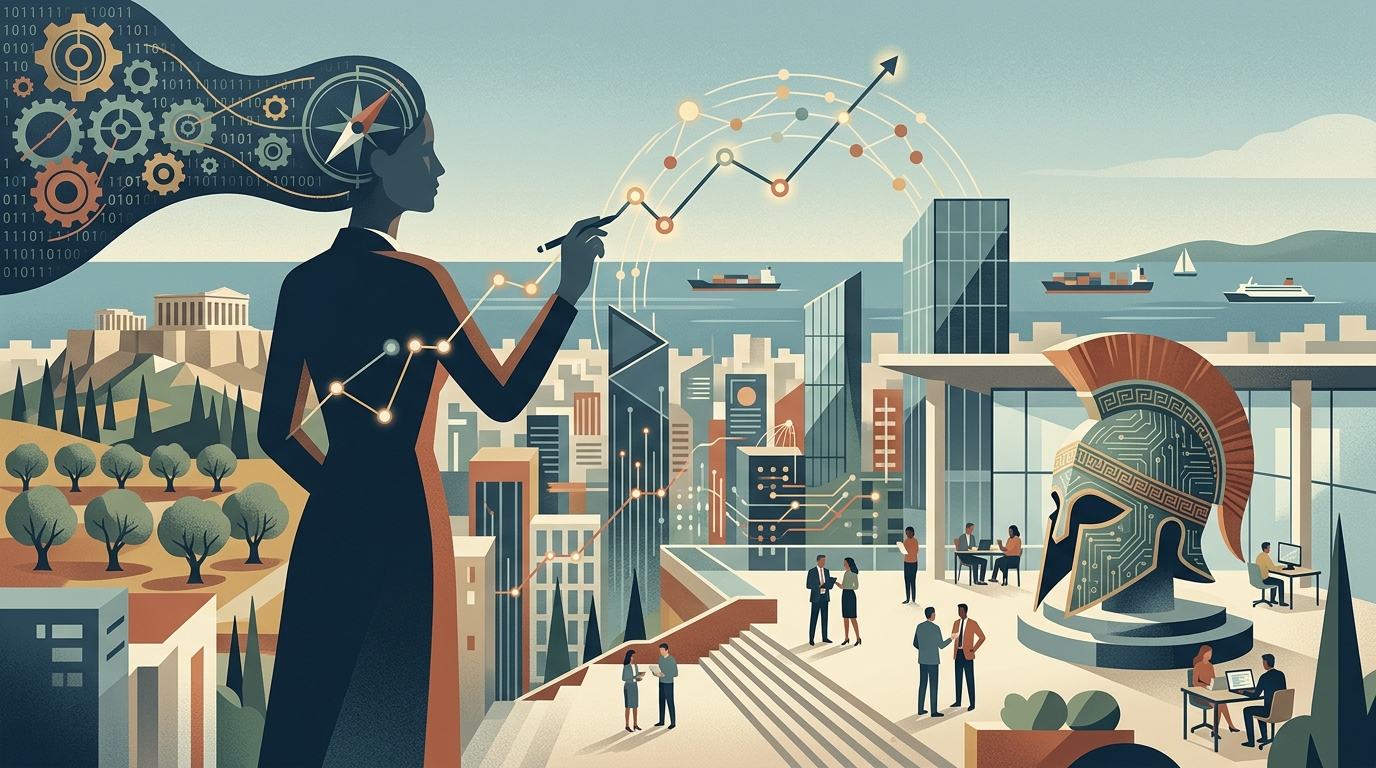
In conclusion, the challenge for Greek schools and universities is to use AI to liberate humans from repetitive tasks, giving them the time to develop those skills that make them human: imagination, critical questioning, and ethical consciousness. Natural intelligence is not threatened by the machine, but by the human's own resignation from the right and duty to think autonomously.