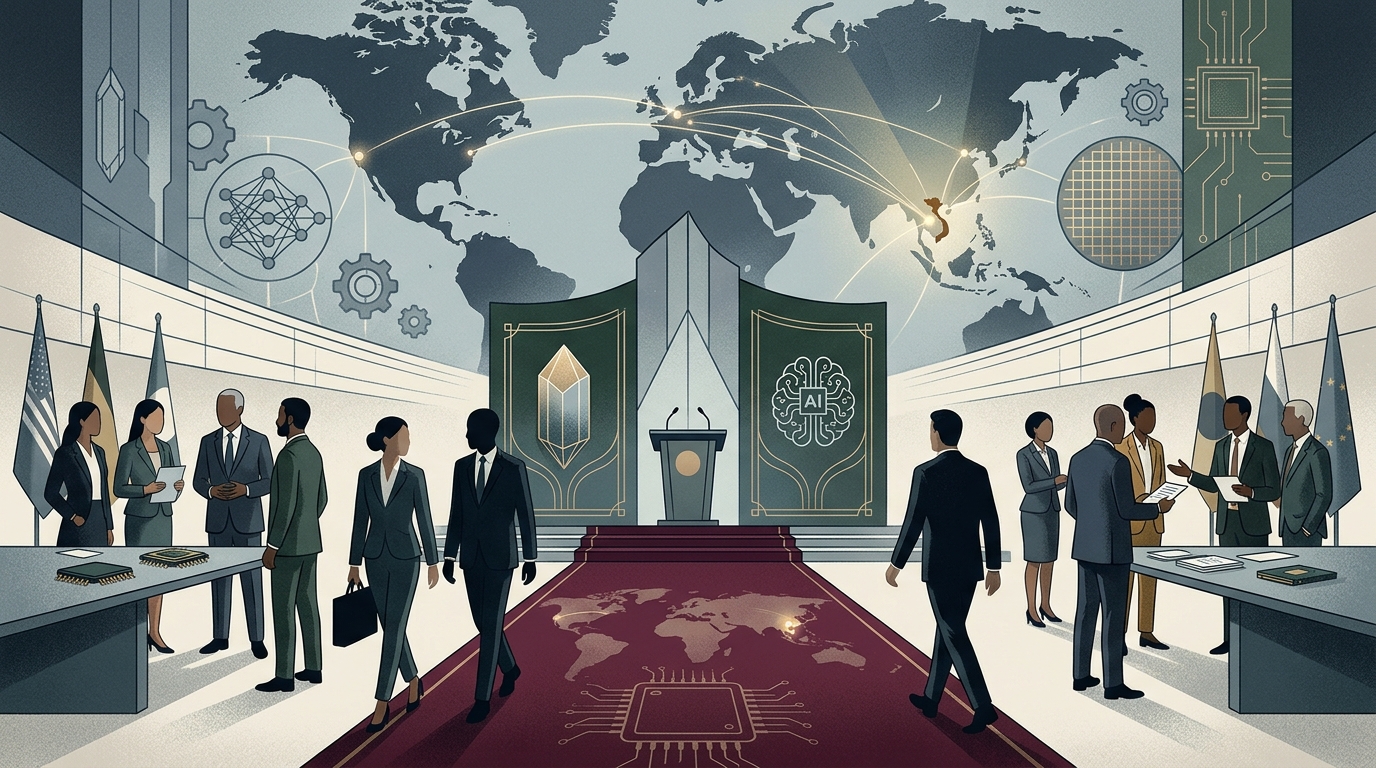
In the industrial heartland of southern Vietnam, Dong Nai province is no longer just a destination for textile and footwear factories. In a bold move echoing Hanoi’s wider ambitions, local authorities are “laying out the red carpet” to attract an elite tier of scientists in Artificial Intelligence (AI), semiconductors, and information security. This initiative is more than just a local economic policy; it is a critical piece in the global supply chain puzzle as the West seeks reliable partners beyond China’s borders.
The Talent Attraction Strategy: More Than Just Incentives
Dong Nai recognizes that in the 21st century, true power lies not in raw materials but in human capital. The plan unveiled by provincial authorities includes a comprehensive package aimed at attracting both domestic and foreign experts. Incentives include high salary subsidies, housing in model communities, and, most importantly, the creation of a research and development (R&D) ecosystem that allows innovation to flourish without bureaucratic hurdles.
According to official announcements, the province aims to transform into a “smart” industrial hub by 2030. This requires a radical overhaul of the education system and close cooperation between universities and industry. Already, major tech giants have begun exploring the possibility of establishing chip design units in the region, drawn by lower labor costs compared to Taiwan or South Korea, as well as the political stability Vietnam offers.
Semiconductors: Southeast Asia’s New “Oil Well”
The focus on semiconductors is no coincidence. Within the context of the US-China trade war, Vietnam has emerged as a key player in the “China Plus One” strategy. Dong Nai, with its proximity to Ho Chi Minh City and strategic infrastructure like the Long Thanh airport currently under construction, is positioning itself as the ideal location for the microchip industry. The challenge, however, remains expertise. While Vietnam has an abundance of engineers, transitioning from assembly and packaging (back-end) to design and manufacturing (front-end) requires high-level know-how that is currently in short supply.
- Creation of specialized training centers in collaboration with international organizations.
- Tax exemptions for companies investing in cutting-edge technologies.
- Simplified visa procedures for foreign AI specialists.
AI and Security: The Digital Shield
Alongside hardware, Dong Nai is investing heavily in software. Artificial Intelligence is seen as the catalyst for modernizing the province’s traditional industries. From factory automation to supply chain management, AI is expected to increase productivity by 30% over the next decade. At the same time, information security is a priority, as digitalization brings new threats. Creating a “red carpet” for cybersecurity experts underscores the province’s intention to protect its investments and citizens' data.
“We are not just seeking investment; we are seeking the knowledge that will lead Vietnam into the next phase of its economic development,” a local official stated during a recent tech forum.
Geopolitical Implications and the Future
Dong Nai’s move reflects Vietnam’s “Bamboo Diplomacy”: flexible yet firm. By strengthening ties with the US in the semiconductor sector, Vietnam is upgrading its geopolitical significance. However, the success of this venture will depend on whether the province can offer more than financial incentives—a quality of life and an environment of research freedom that will retain talent in the long run. Competition from Malaysia and Thailand is fierce, but Dong Nai seems determined to win the race for technological dominance in Southeast Asia.