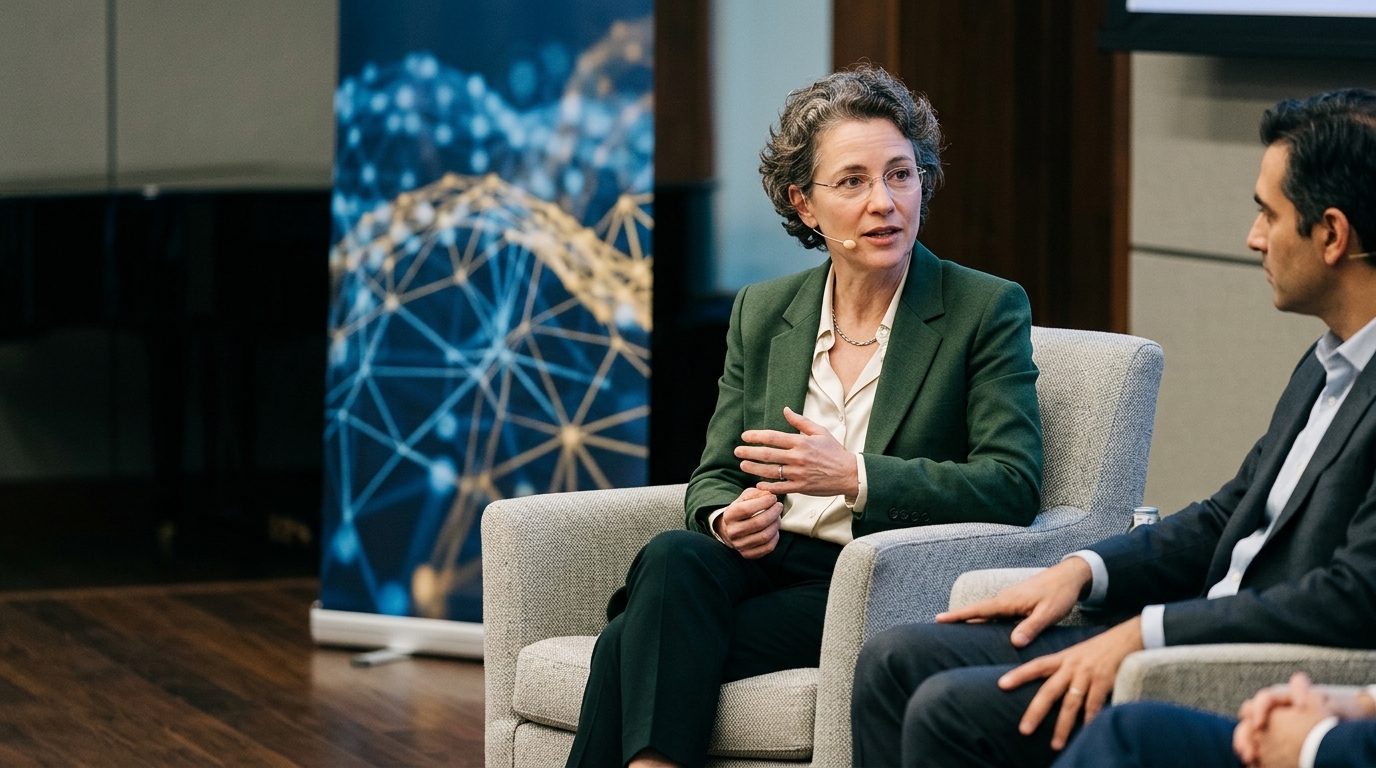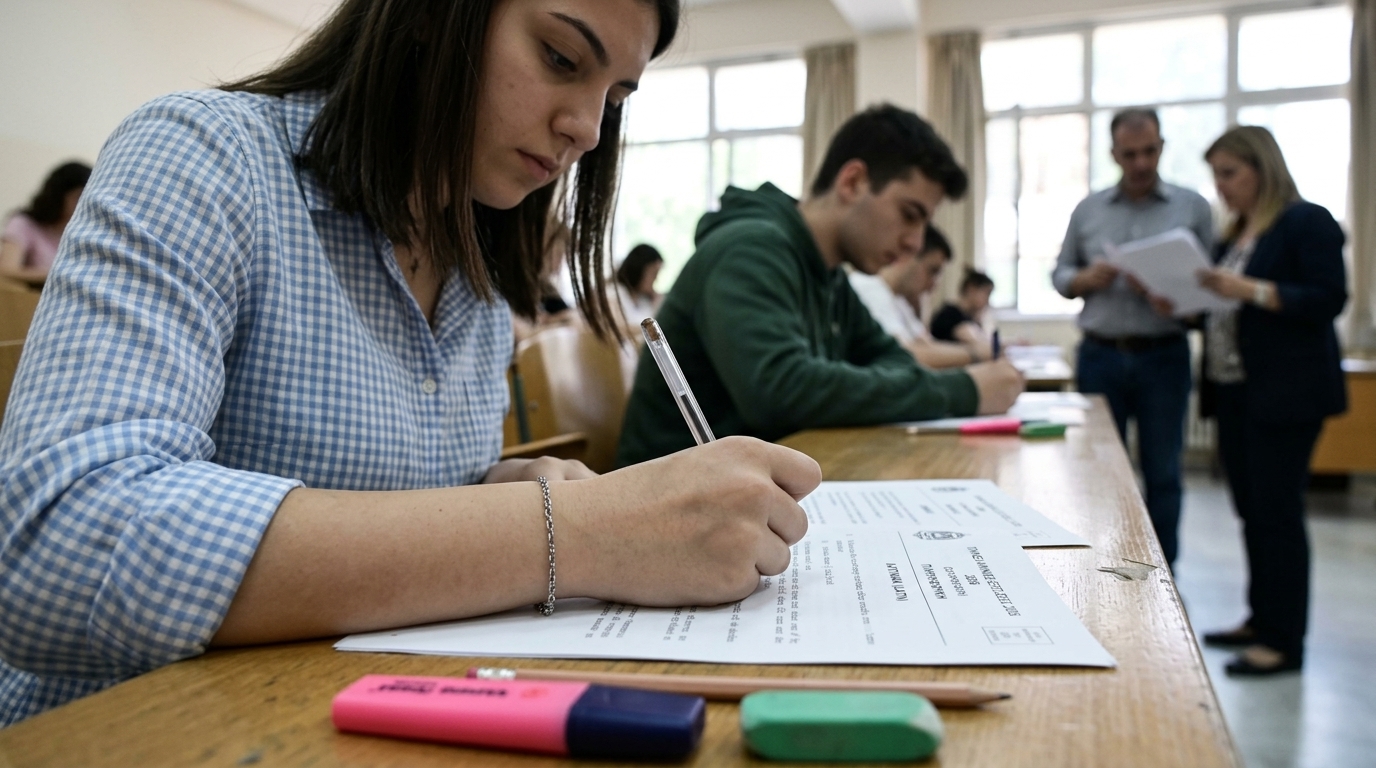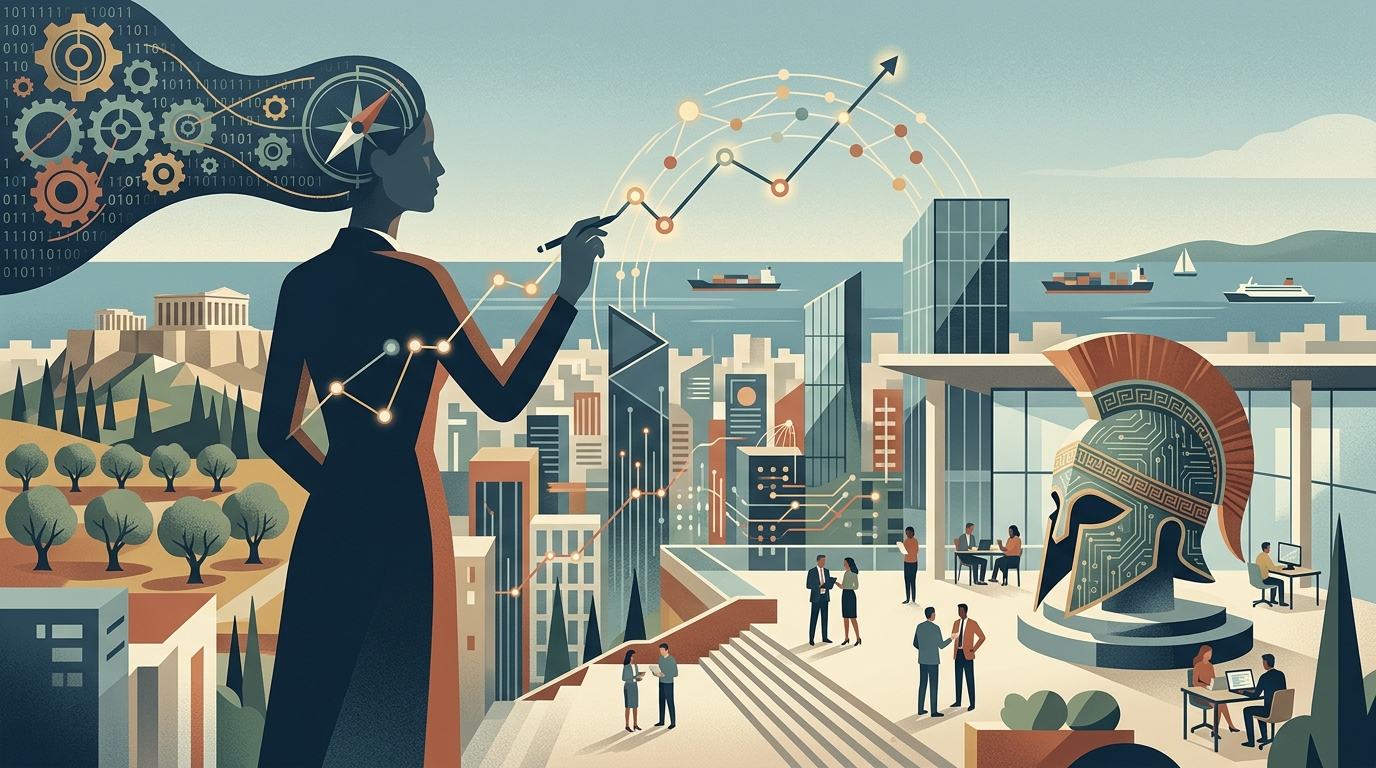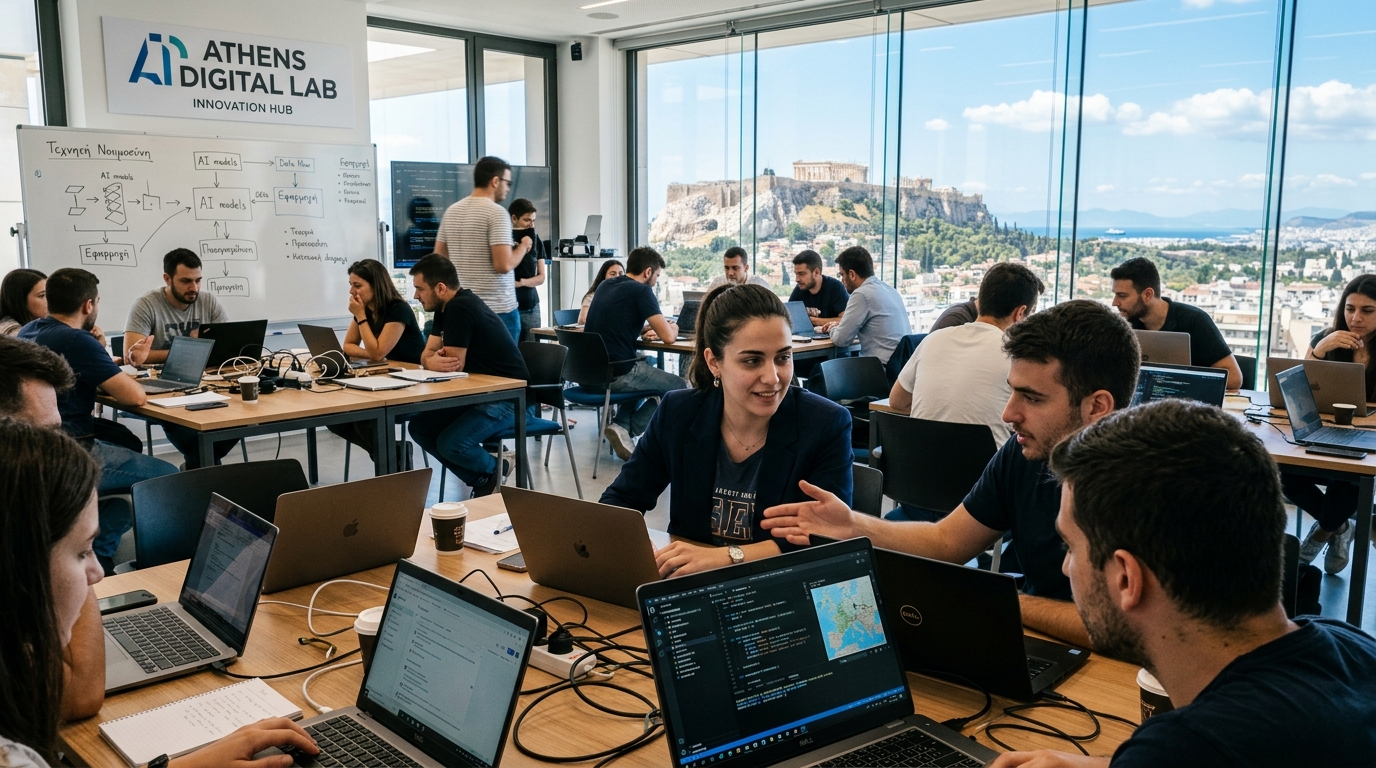
In an era where Artificial Intelligence (AI) is no longer a distant science fiction scenario but the driving force of the global economy, Greece is attempting a bold leap forward. AI HUB, an initiative gaining significant ground within the domestic educational ecosystem, aims to overturn a decades-old malaise: the obsession with theoretical knowledge at the expense of practical application. For the new generation of Greeks, learning AI is no longer confined to lecture halls and dusty textbooks; it has moved into labs, hackathons, and real-world projects that solve contemporary problems.
The End of Rote Memorization
Greek education has often been criticized for its "academicism"—an obsession with mathematical proofs and algorithms on paper, without a connection to actual code. AI HUB breaks this cycle. Its philosophy is rooted in the "learning by doing" model. Participants are not merely asked to understand what a Neural Network is; they are tasked with training their own models using real data from the Greek market, healthcare, or shipping sectors.
This approach is critical. In the world of AI, developments move at such a pace that theory taught in September might be obsolete by June. The ability of young people to experiment with Large Language Models (LLMs), understand data bias in practice, and develop AI solutions that are ethically and technically sound gives them a competitive edge that no old-school degree can guarantee.
The Industry-Academia Nexus
One of the most significant achievements of AI HUB is the creation of a bridge between the academic community and the business world. For years, graduates of Greek IT schools faced a "reality shock" upon entering the labor market. AI HUB brings executives from leading tech companies and startups directly into the educational process. Students do not work on hypothetical scenarios but on challenges that businesses face today.
- Developing predictive systems for supply chain management.
- Using Computer Vision for wildfire detection in Greek forests.
- Personalized AI learning for students with learning disabilities.
This osmosis creates a new type of professional: the "hybrid" scientist who knows the theory but has also "gotten their hands dirty" with code and understands business needs. This is the answer to brain drain, as young people see they can create cutting-edge technology while staying in Greece.
Democratizing Innovation and Social Mobility
Beyond technical training, AI HUB performs a vital social role. Artificial Intelligence is often presented as something elitist, accessible only to those with access to expensive foreign universities. The democratized access promoted by this initiative in Greece allows youth from rural areas or less privileged backgrounds to acquire skills considered the "gold coins" of the 21st century.
"Artificial Intelligence is not a privilege for the few, but the right of the new generation to define its own future," notes one of the program's mentors.
The use of Open Source tools and the emphasis on collaborative learning lower the barriers to entry. AI HUB doesn't just teach Python and Pytorch; it teaches critical thinking. Young people learn to question AI outputs, understand the ethical implications of automation, and defend human dignity within the digital transformation.
Challenges and the Future of Digital Education
Despite the optimism, challenges remain. Greece still lags in computing power infrastructure (GPUs) compared to other European nations. Furthermore, integrating such practical models into the official state curriculum often encounters bureaucratic hurdles. AI HUB acts as a "beacon," but the state must follow at a faster pace.
The year 2026 finds Greece at a crossroads. The success of initiatives like AI HUB will determine whether the country remains a mere consumer of tech products or evolves into an innovation hub in Southeast Europe. The shift to practice is the first and most decisive step in this direction. The new generation is ready; the question is whether the system can keep up with them.