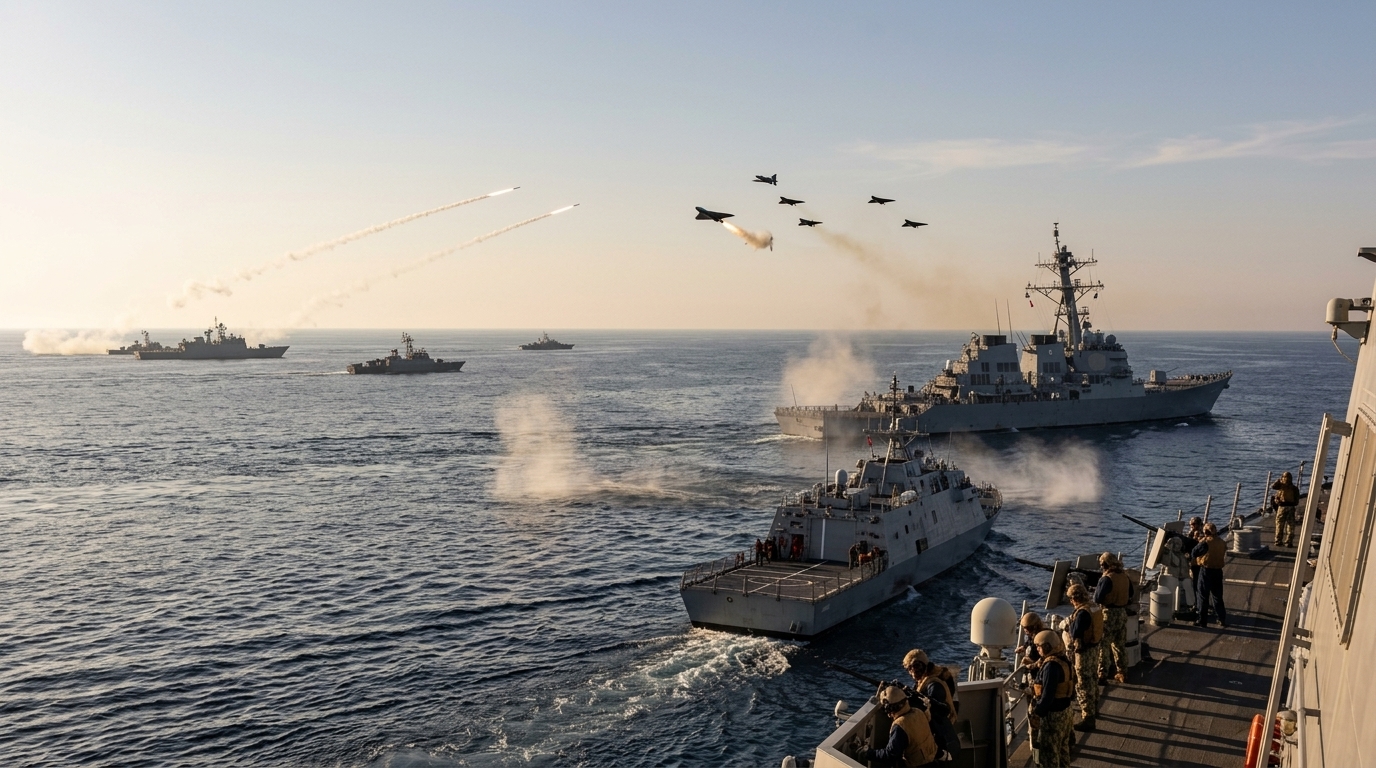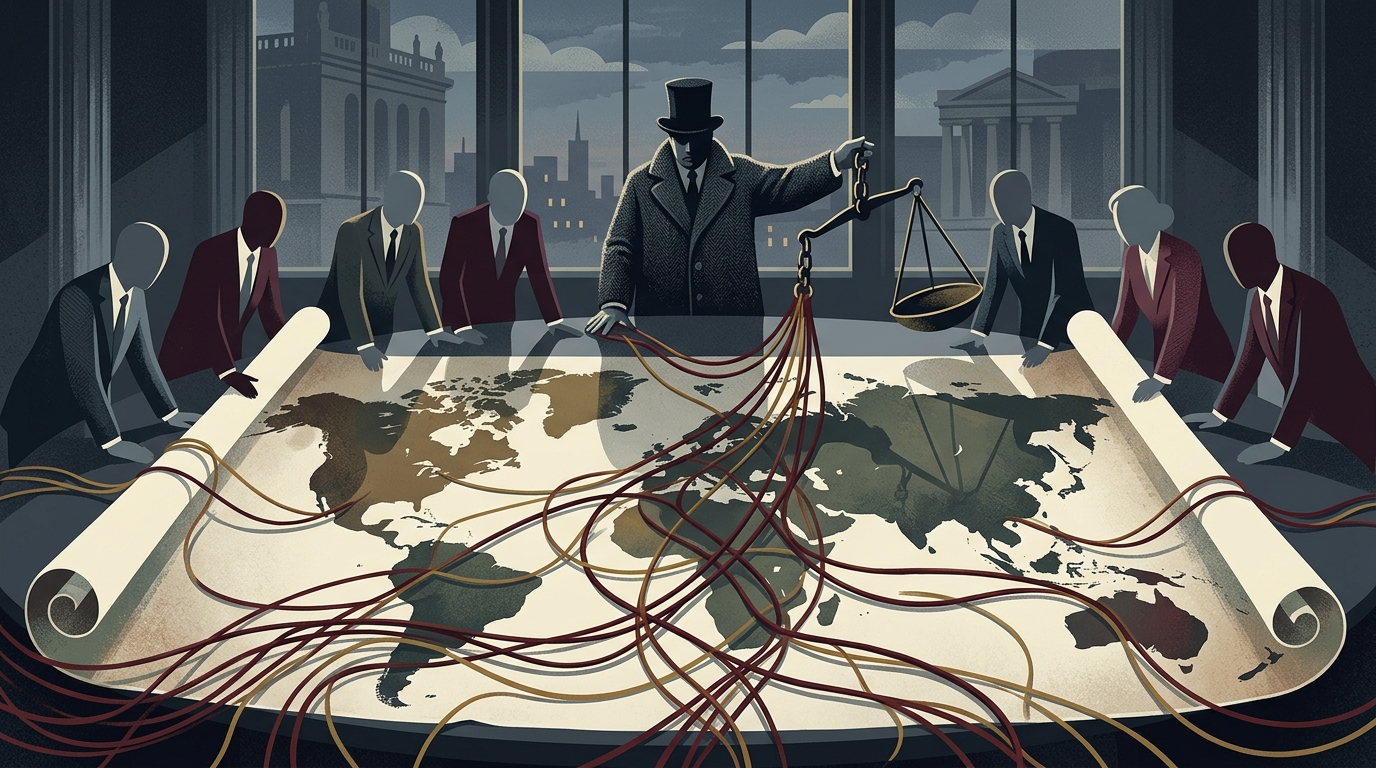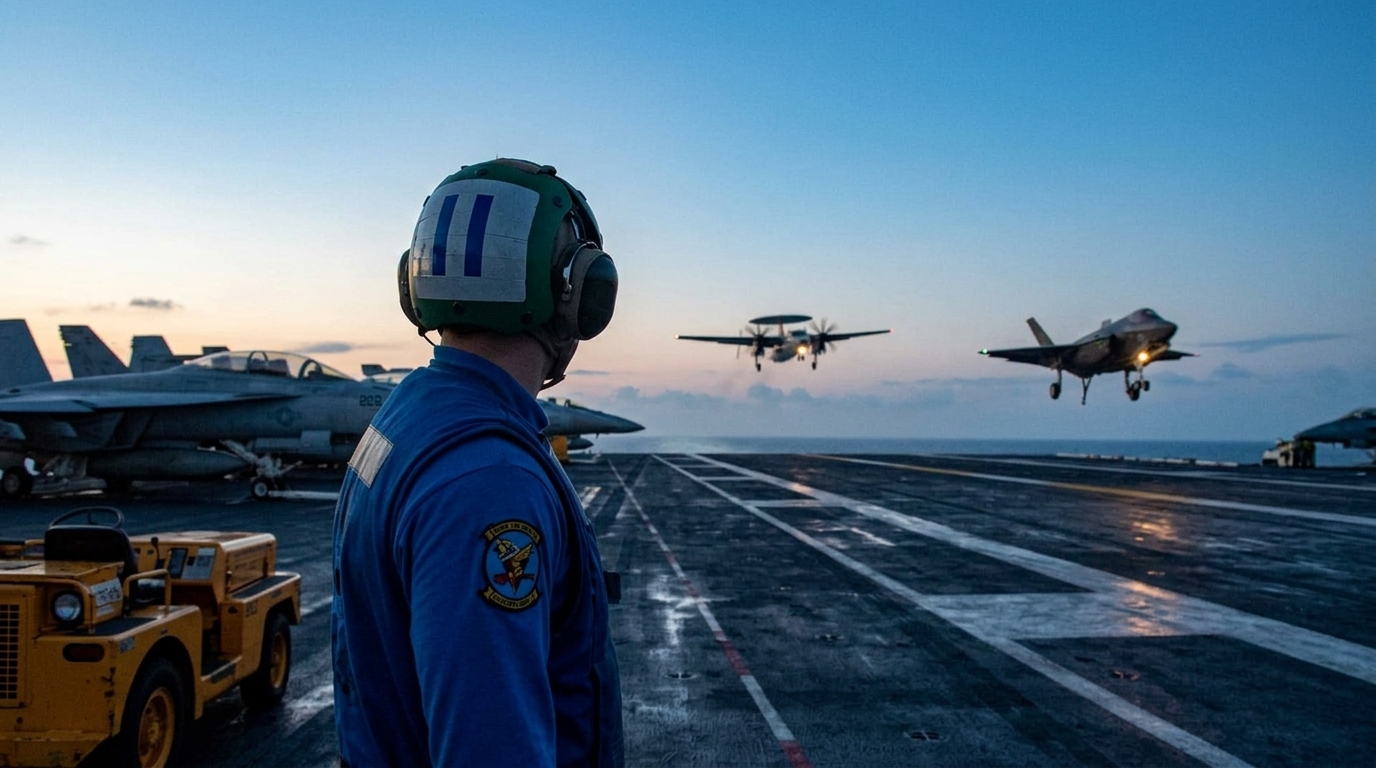
The history of the Middle East is littered with moments where military might clashed with the complexity of geopolitical reality, often leading to outcomes far removed from initial designs. Today, the debate surrounding a potential full-scale conflict between the US and Iran is resurfacing, causing intense concern in global capitals. While Washington maintains an unquestionable technological and numerical superiority, the question being asked is not whether the US can win a war, but whether it can manage the day after.
The Illusion of Rapid Dominance
The United States military machine is designed for total dominance. However, as the experiences in Iraq and Afghanistan have shown, occupying territory and destroying military infrastructure is only the first step in a long and painful process. Iran is not an isolated entity; it is a state with deep roots, a strong national identity, and a network of proxies stretching from Lebanon to Yemen. An attack on Iranian soil could act as a catalyst for unifying the population around the regime, neutralizing the internal voices of dissent that have intensified in recent years.
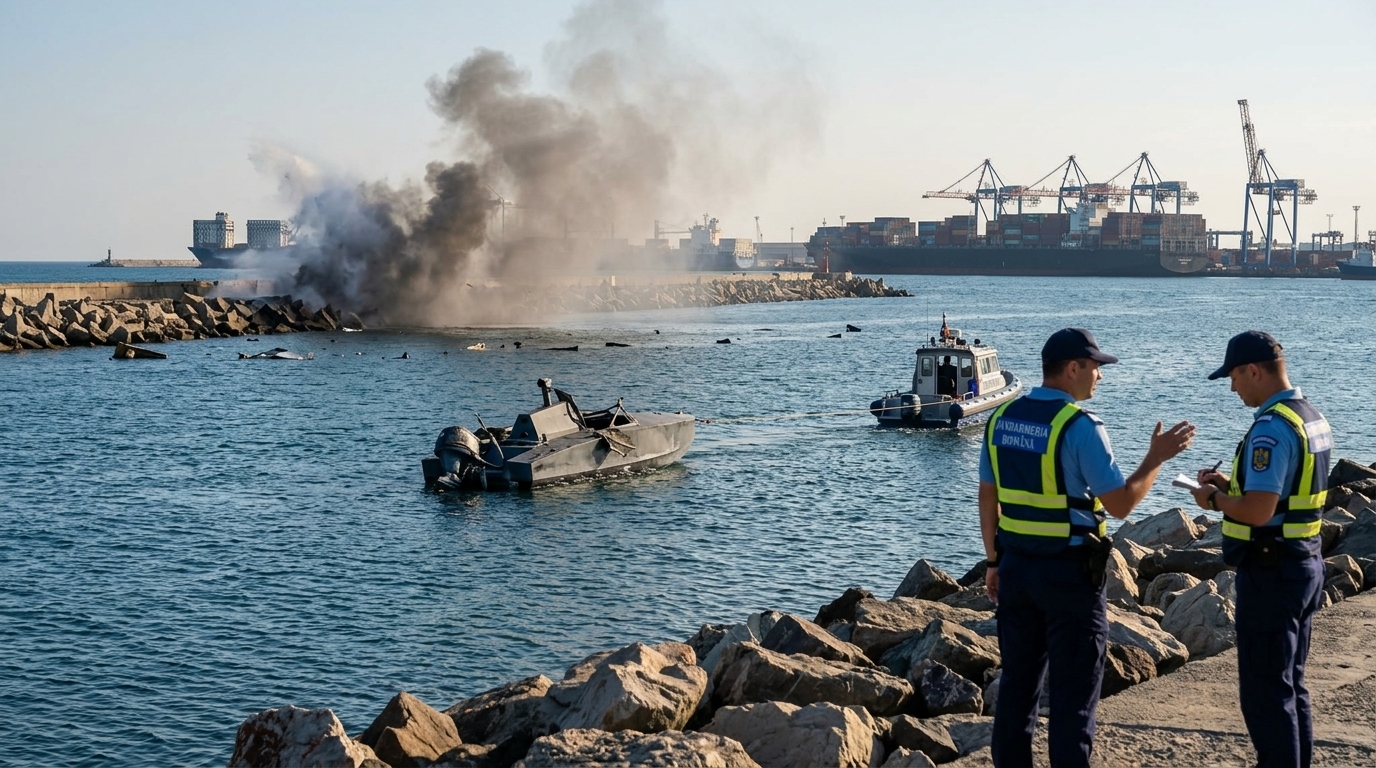
Furthermore, Iran's geography offers a natural defensive advantage. With rugged mountain ranges and extensive coastlines along the Persian Gulf, Tehran has the capability to wage an asymmetric war that could last for years. The use of drones, fast attack craft, and missile systems could inflict significant casualties on US forces, making the cost of "victory" unbearable in terms of both human lives and economic resources.
The Energy Nightmare and the Global Economy
Perhaps Iran's strongest lever of pressure is its control over the Strait of Hormuz. Approximately 20% of global oil consumption passes through this narrow maritime gateway. In the event of a conflict, Tehran has repeatedly threatened to close the strait, a move that would send crude oil prices skyrocketing to levels that could trigger a global economic recession. For the US and its allies in Europe, already struggling with inflation and the energy transition, such a scenario would be catastrophic.
China, as the largest importer of oil from the region, would not remain a passive observer. A destabilization of the Middle East that harms the Chinese economy would force Beijing to intervene, likely increasing diplomatic and economic support for Iran. This would lead to further polarization of the international system, bringing the US into direct confrontation not only with Tehran but also with the Russia-China axis, which views Iran as a strategic partner against Western hegemony.
Diplomatic Isolation and Moral Capital
One of the primary arguments against military intervention is the erosion of the West's moral capital. The international community is increasingly skeptical of unilateral actions that lack UN Security Council approval. An attack on Iran could be interpreted by the "Global South" as another act of neo-imperialism, strengthening the narrative of authoritarian regimes that the West applies double standards.
Conversely, a strategy of "smart containment" and diplomatic pressure, though slow, could bear fruit without the risk of an all-out war. Isolating Iran through international alliances and supporting social movements within the country are paths that require patience but offer a more sustainable prospect for change. History teaches us that changes imposed from the outside by force rarely lead to stable democracies; instead, they often create power vacuums filled by even more radical forces.
Conclusion: The Need for a New Approach
US success in the Middle East should not be measured by the number of bombs dropped or regimes toppled, but by the stability and prosperity achieved in the long term. A war with Iran may be presented by some as the "final solution" to the region's problems, but in reality, it risks opening Pandora's box. True success for Washington would be to successfully integrate Iran into a regional security framework, curbing its nuclear ambitions through diplomacy rather than destruction. In an increasingly multipolar world, the power of persuasion is often more effective than the persuasion of power.