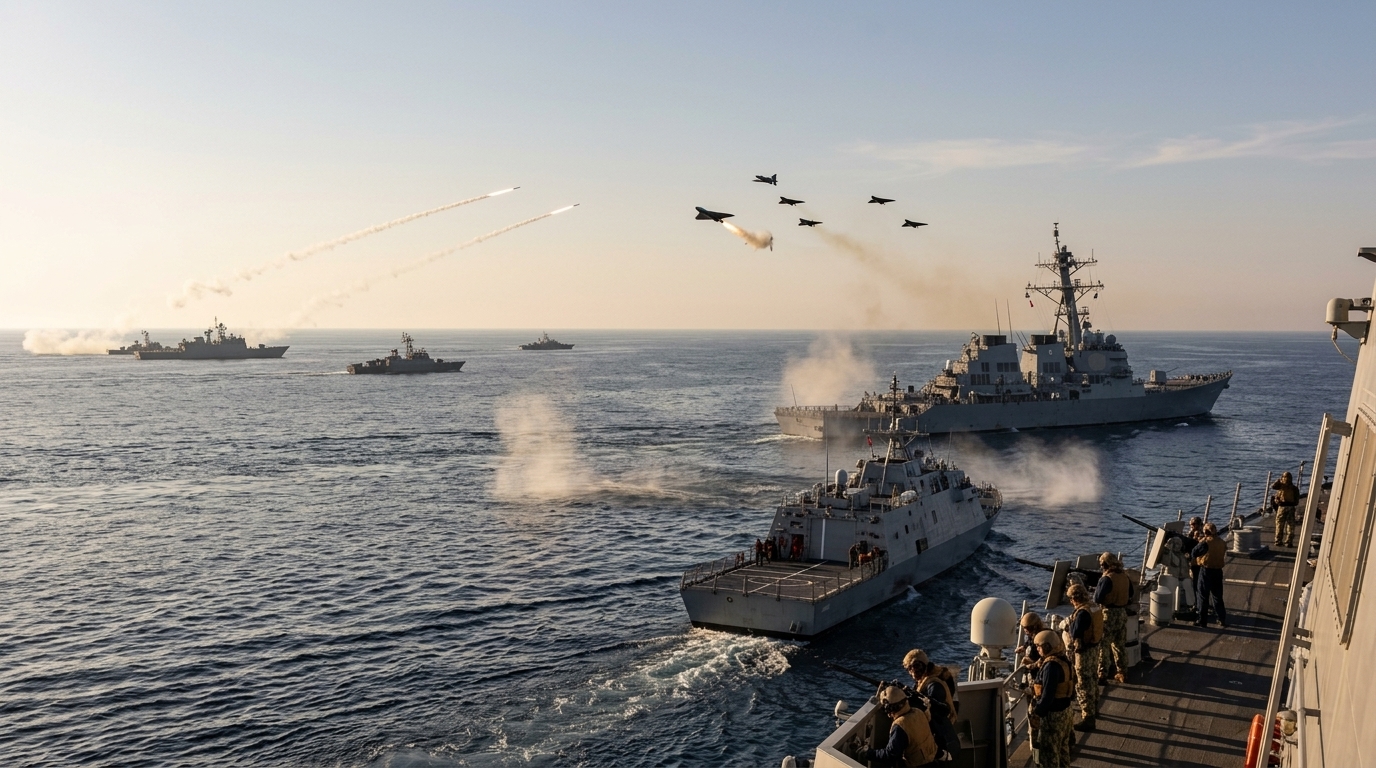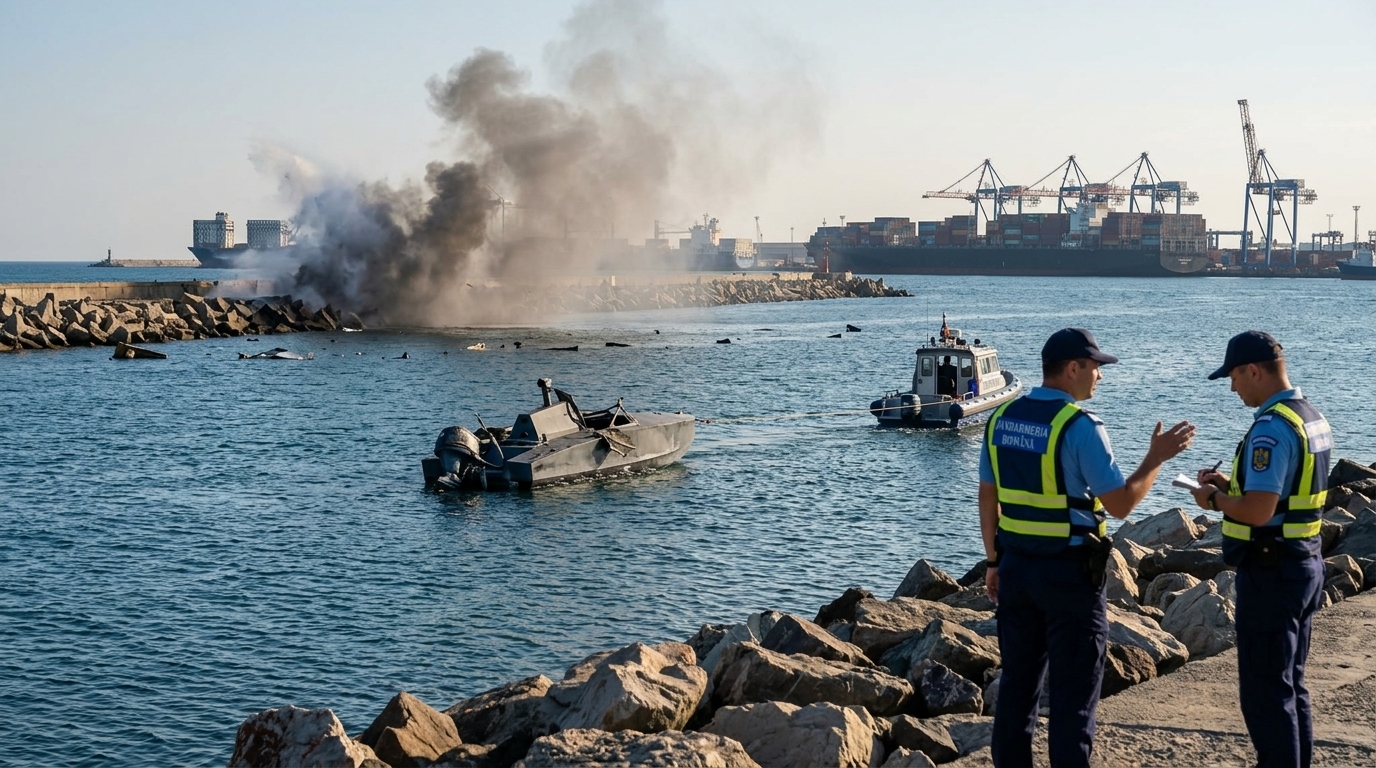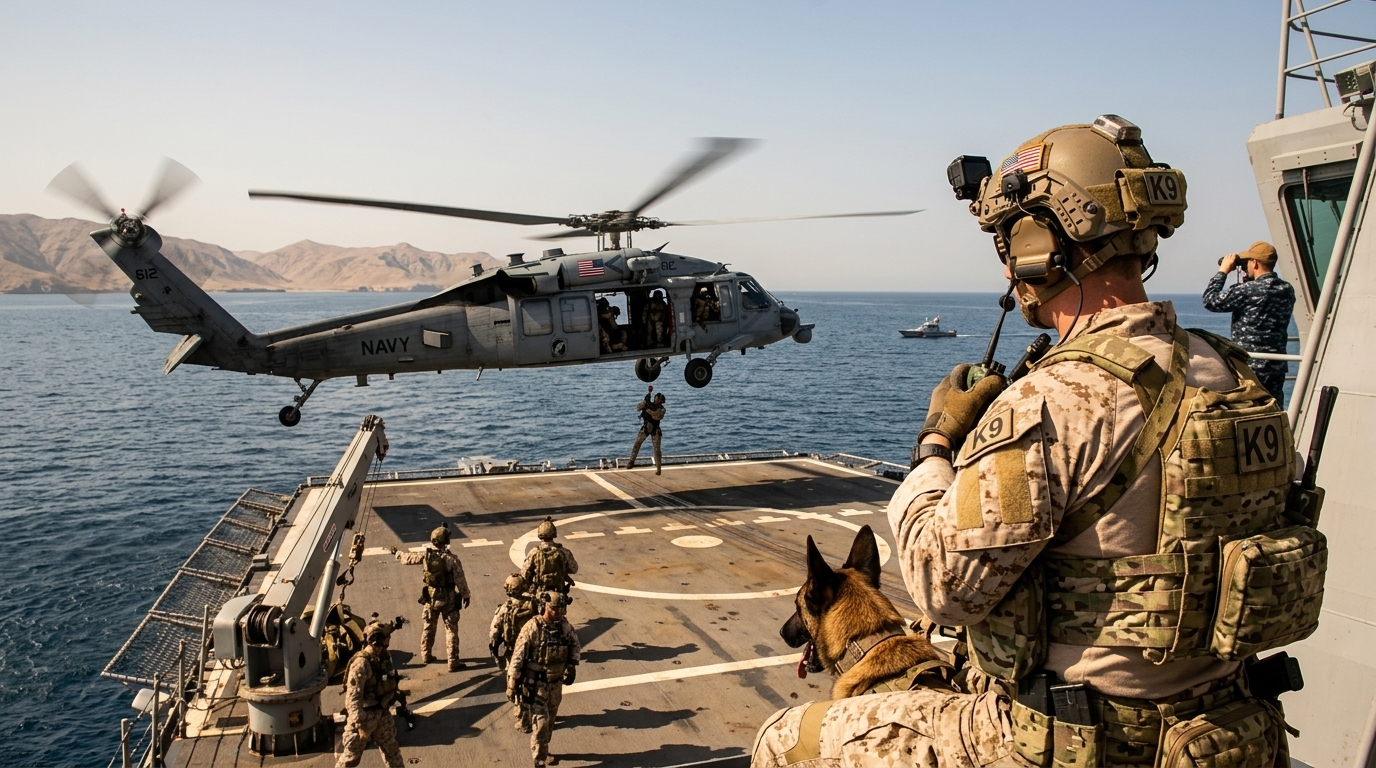
The geopolitical chessboard of the Middle East is once again at a critical tipping point. As of May 24, 2026, rumors of an imminent deal between the United States and Iran have sent shockwaves through the corridors of power in Washington. The agreement, aimed at de-escalating tensions following the recent regional conflict, appears to include significant concessions regarding maritime security in the Strait of Hormuz. However, domestic opposition in the U.S., led by prominent figures aligned with former President Trump, is raising serious questions about the strategic price of this diplomacy.
The Strategic Significance of the Strait of Hormuz
The Strait of Hormuz is not merely a geographic passage; it is the jugular vein of the global economy. Approximately 20% of the world’s daily oil consumption passes through this narrow waterway. For decades, ensuring the freedom of navigation in the Strait has been a cornerstone of American strategy in the region. The possibility of Iran gaining de facto control or increased influence in the area, as part of a new deal, is viewed by many as a strategic retreat for the United States.
Critics of the deal argue that legitimizing the Iranian presence in the Strait could transform Tehran into a "regulator" of global energy prices. "I personally am a skeptic of the idea that Iran cannot be denied the ability to terrorize the Strait," stated a close Trump ally, adding a phrase that carries heavy political weight: "It makes one wonder why the war started to begin with."
The Political Cost and the Memories of Conflict
The reference to "the war" is far from accidental. The region is only beginning to heal from military skirmishes of previous years, which were specifically intended to curb Iranian aggression. Returning to the negotiating table with terms that appear favorable to Tehran incites anger among those who believe the sacrifices made were in vain. The rhetoric from Trump’s allies aims to project an image of weakness within the current administration, arguing that the appeasement of Iran will only lead to future instability.
- The deal proposes a partial lifting of sanctions in exchange for guarantees against the harassment of oil tankers.
- Republicans argue that Iran will use the influx of export revenue to bolster its proxy paramilitary forces.
- Regional allies, including Saudi Arabia and the UAE, are watching with skepticism, fearing a gradual U.S. disengagement.
Geopolitical Realignment and the China Factor
Behind the bilateral agreement lies the long shadow of China. Beijing has invested billions in Iranian infrastructure and remains the primary buyer of Iranian crude. Stabilizing the situation in the Strait of Hormuz serves Chinese interests by securing the energy flow to Asia. Some analysts suggest that Washington is forced to compromise with Iran to pivot its resources toward the Indo-Pacific, inadvertently leaving a power vacuum in the Persian Gulf that Tehran is more than willing to fill.
"History will judge whether this deal was an act of pragmatism or a capitulation that will haunt the West for decades to come," notes a senior diplomatic analyst.
In conclusion, the debate over the Strait of Hormuz transcends mere navigation rights. It is a battle for hegemony and credibility. If the perception that Iran controls the global oil "tap" becomes entrenched, the geopolitical balance of the Middle East will have shifted irrevocably, perhaps validating the harsh warnings of the deal’s critics.