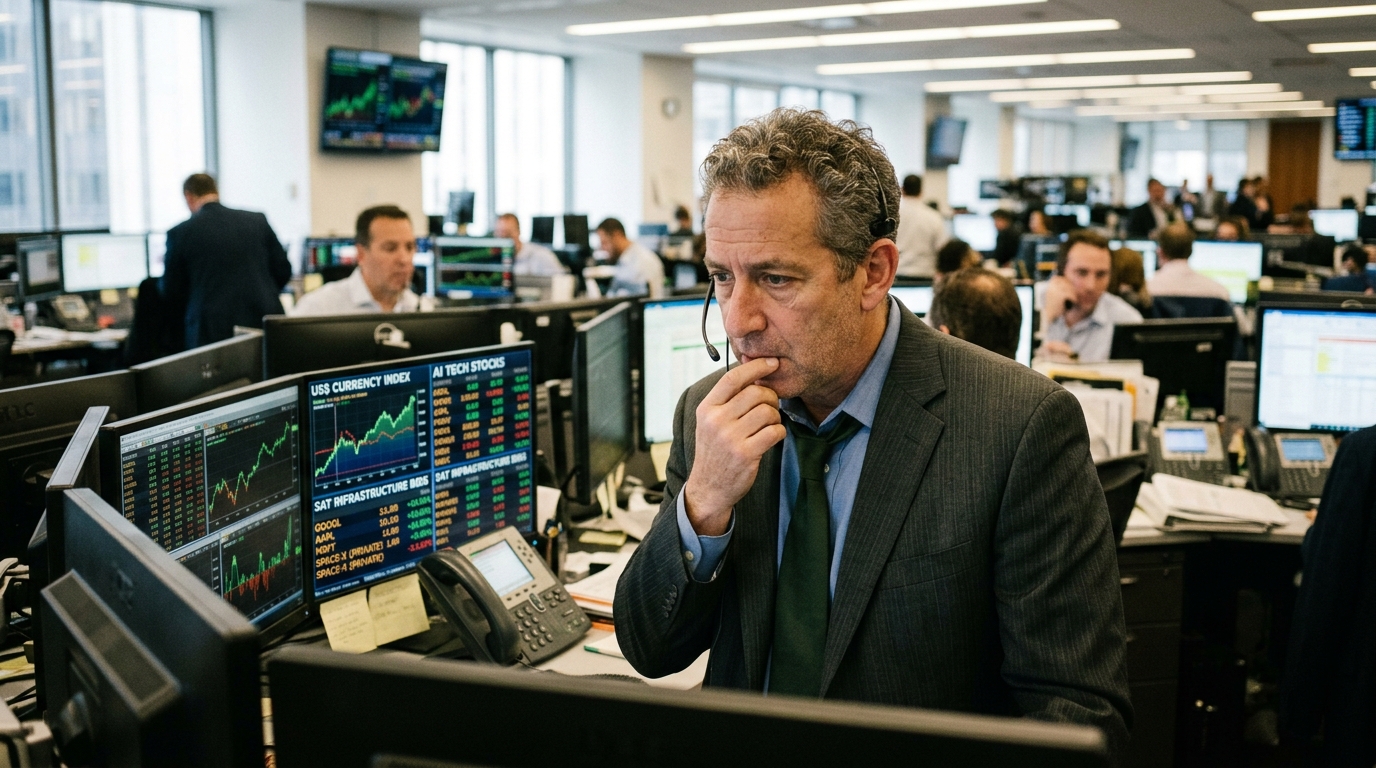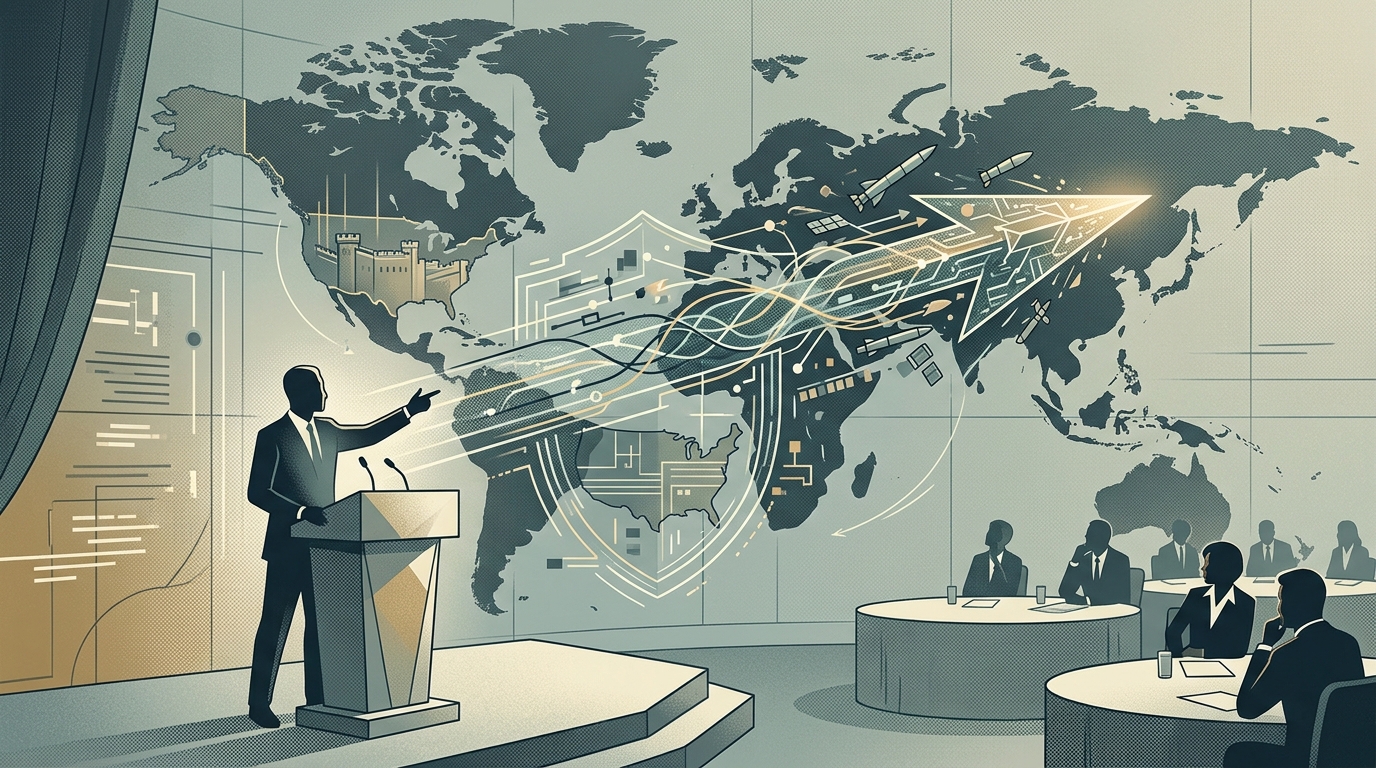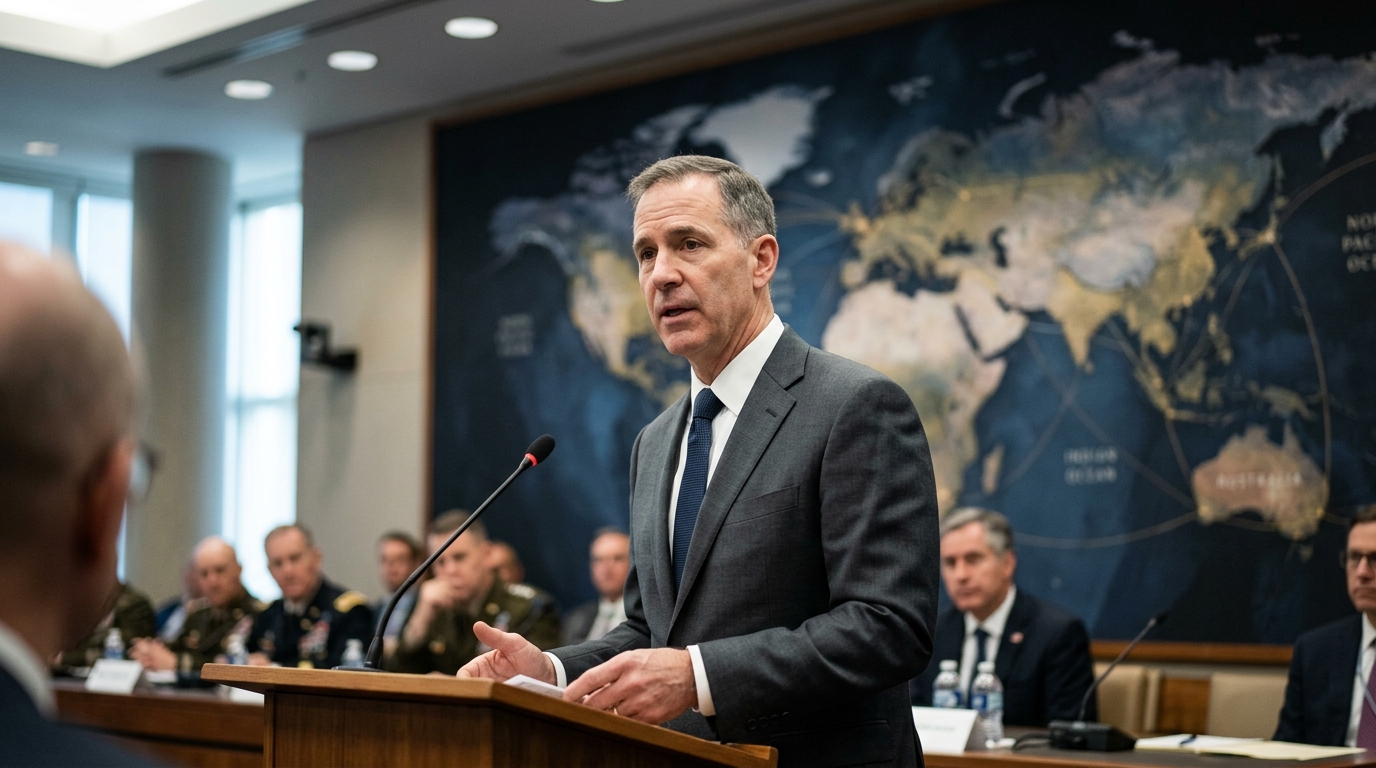
In an era where Artificial Intelligence (AI) is rapidly reshaping the geopolitical landscape, the United Kingdom and Australia have made a move of high symbolic and practical significance. The signing of a Memorandum of Understanding (MoU) on AI security marks a new phase in their bilateral relationship, focusing on the collective mitigation of risks arising from advanced AI models. This agreement is not merely a bureaucratic exercise but a strategic alignment of two traditional allies seeking to set the rules of the game on a global scale.
The Architecture of Cooperation
The MoU focuses on strengthening cooperation between the AI Safety Institutes of both nations. The UK, having pioneered the field with the establishment of the world's first such institute, is sharing its expertise with Australia, which is currently in the process of reshaping its regulatory framework for the technology. The partnership includes the exchange of researchers, the creation of joint testing protocols for so-called "frontier models," and joint assessments of risks related to national security, disinformation, and cyberattacks.
According to official statements, the two countries will work toward developing common standards that allow for system interoperability. This means that an AI model deemed safe in London could, under certain conditions, receive similar recognition in Canberra, reducing the administrative burden for tech companies and promoting innovation within a controlled environment.
Geopolitical Implications and the Five Eyes Alliance
This move cannot be viewed in isolation from the broader context of the "Five Eyes" alliance (US, UK, Canada, Australia, New Zealand). As technological competition with China intensifies, Anglo-Saxon powers are coalescing to ensure that AI development follows democratic values and ethical standards. Australia, situated at the heart of the Indo-Pacific, serves as a critical partner for the UK, which has sought to bolster its presence in the region post-Brexit.
"AI safety is not an issue that any one country can solve alone. It requires international cooperation and collective action to ensure this technology remains a force for good," a British government spokesperson stated.
The agreement follows the Bletchley Park Declaration and the Seoul Summit, confirming that "AI diplomacy" is now an integral part of the foreign policy of major powers. This approach aims to create a "ring of trust" among nations that share common concerns about the existential threats an uncontrolled AI could present.
Regulatory Challenges and the Road Ahead
Despite the optimism, challenges remain. Australia has adopted a more flexible approach to regulation compared to the European Union, while the UK is trying to balance citizen protection with its ambition to become a "global hub" for AI companies. Harmonizing these different philosophies within the framework of the MoU will be the true test of their partnership.
Furthermore, there is the issue of transparency from tech giants. The MoU stipulates that both governments will pressure companies to provide access to their models before they are released to the market. However, without legally binding international provisions, corporate compliance remains largely voluntary. The UK-Australia partnership aspires to be the blueprint for future multilateral agreements that will turn voluntary commitments into concrete safety protocols.
Conclusion
The signing of this MoU is a clear signal that the "Wild West" era of AI development is coming to an end for Western democracies. The UK and Australia are investing in shared knowledge and mutual trust to navigate the uncharted waters of the digital revolution. Whether this alliance will succeed in influencing the global trajectory of AI or remain an exclusive club of the "elite" remains to be seen in practice.