The news hit European capitals like a bolt from the blue, although many analysts had been warning of this possibility for months. Donald Trump, staying true to his "America First" doctrine, has brought the threat of tariffs on European automobiles back to the forefront—a move aimed at the very heart of German and European industry. This is not merely an economic measure; it is a geopolitical statement that reshapes the balance of power within the West.
The 'America First' Strategy and the Automobile
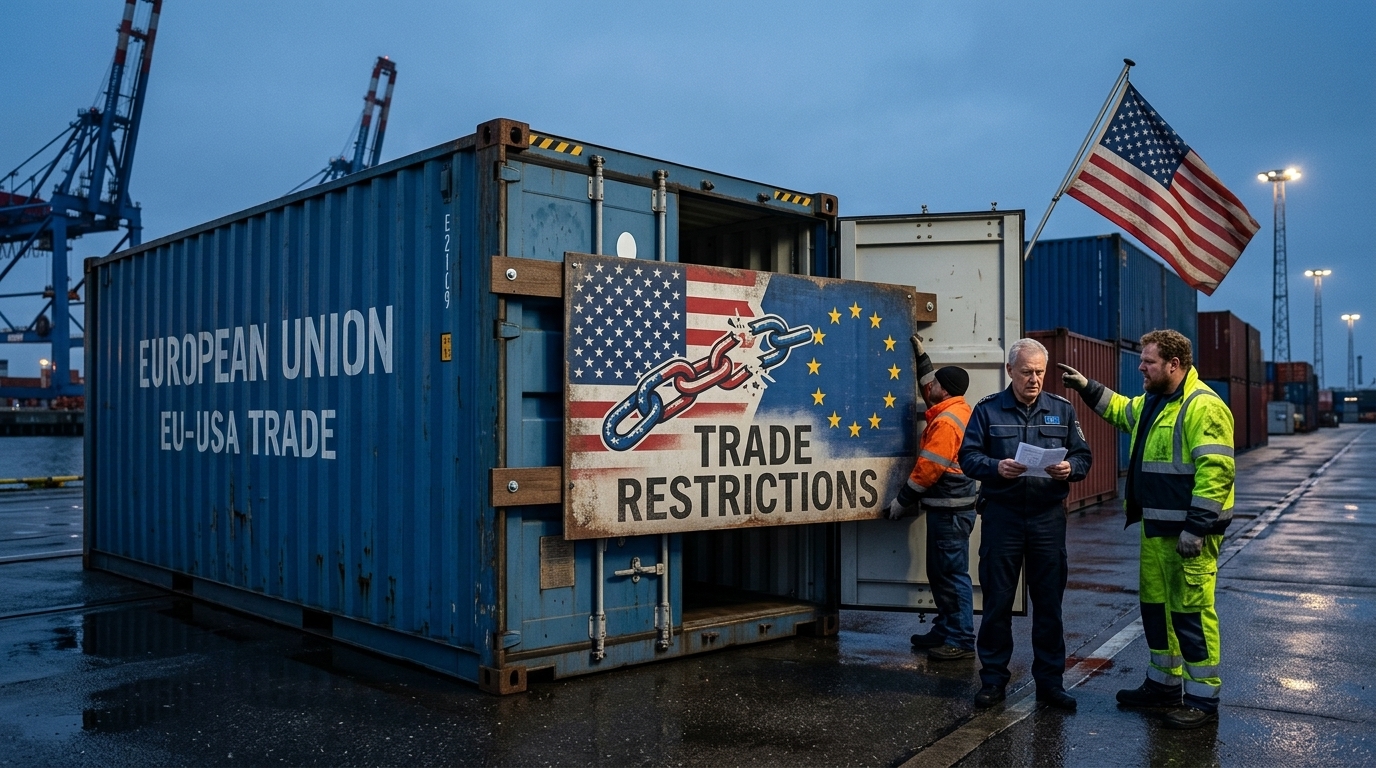
For the Trump administration, the trade deficit with the European Union remains an "open wound." At the center of this dispute lies the automotive sector, which for the U.S. symbolizes the loss of its industrial hegemony. The proposed tariffs, which could reach as high as 25%, aim to force European automakers to shift more of their production to American soil.
The logic behind this decision is simple yet controversial: by using access to the massive U.S. market as leverage, Washington seeks to renegotiate the terms of global trade. However, experts warn that such protectionist policies often backfire, increasing costs for American consumers and causing volatility in international markets.
Brussels Strikes Back: An Arsenal at the Ready
The European Union has not remained idle. The European Commission immediately issued a statement emphasizing its readiness to respond with "targeted and proportionate" countermeasures. History has shown that Brussels knows how to hit politically sensitive U.S. products, such as bourbon whiskey, Harley-Davidson motorcycles, and agricultural goods from key Republican-leaning states.
- Imposition of tariffs on iconic American products.
- Legal challenges through the World Trade Organization (WTO).
- Strengthening trade ties with Asia and Latin America.
The EU Trade Commissioner stressed that "protectionism is not the solution to 21st-century challenges" and called for dialogue. Nevertheless, the rhetoric remains sharp, with both sides appearing locked in a collision course reminiscent of the darkest days of the trade wars of the last century.
Economic Aftershocks: Supply Chains in Turmoil
In a world where manufacturing a single car involves components from dozens of countries, tariffs act as sand in the gears of the global economy. The German automotive industry, the engine of the European economy, is on high alert. Companies like Volkswagen, BMW, and Mercedes-Benz have already seen their stock prices come under pressure as investors fear a prolonged period of uncertainty.
"This isn't just about cars; it's about the very structure of international cooperation built after 1945," said a leading analyst in Berlin.
Furthermore, the transition to electric vehicles (EVs) complicates the situation. European firms are investing billions in new technologies, and a trade war could drain the resources necessary for this critical shift, potentially handing an advantage to Chinese competitors waiting in the wings.
Geopolitical Implications: A Divided West?
Beyond the figures and dollars, Trump's move has profound geopolitical consequences. At a time when the West should appear united against challenges from the East, the creation of a new front between the U.S. and the EU weakens the cohesion of NATO and traditional alliances. Russia and China are watching with satisfaction as the two sides of the Atlantic consume themselves in internal strife.
Europe now faces a dilemma: to yield to Washington's demands to save its exports or to move toward a rupture that will force it to accelerate its "strategic autonomy." The outcome of this confrontation will define the future of global trade for decades to come.