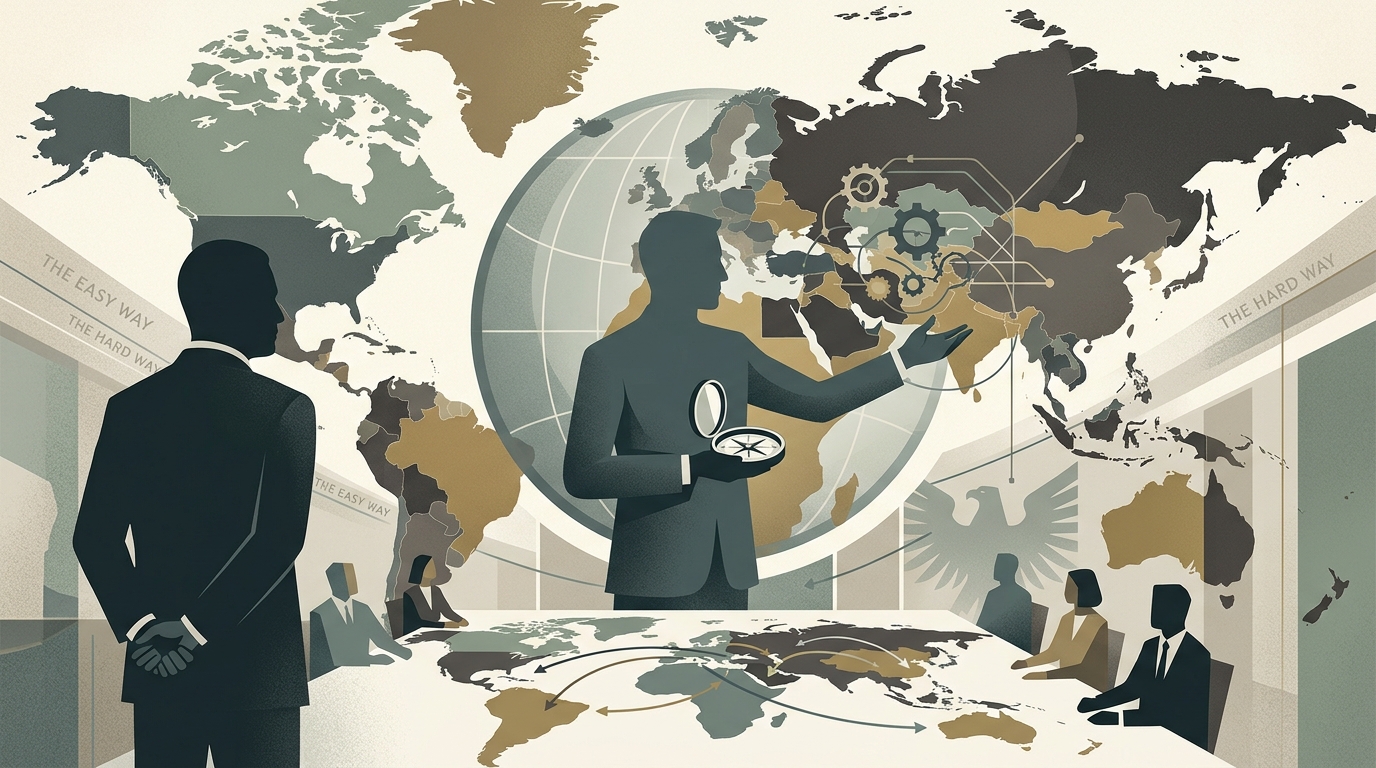
International diplomacy is once again grappling with Donald Trump’s unpredictable negotiating style. His recent assertion that a deal with Iran will happen “either the easy way or the hard way” is more than just rhetorical flourish; it is the crystallization of a strategy aimed at a total realignment of Middle Eastern power dynamics. By accusing Tehran of a “serious violation” of the ceasefire, Trump is sending a clear signal: the era of strategic patience is over, and Washington is prepared to use every tool at its disposal—from economic strangulation to military deterrence—to dictate terms.
Maximum Pressure 2.0: The Return of the Hawk
Trump’s approach to the Iranian question is not entirely new, but in the current context, it appears more aggressive and targeted. His first term was defined by the withdrawal from the JCPOA (the 2015 nuclear deal) and the imposition of crippling sanctions. Today, the “Maximum Pressure” strategy returns with renewed vigor. The objective is no longer merely the containment of the nuclear program, but the complete dismantling of Iran’s proxy network across the region—from Hezbollah in Lebanon to the Houthis in Yemen.
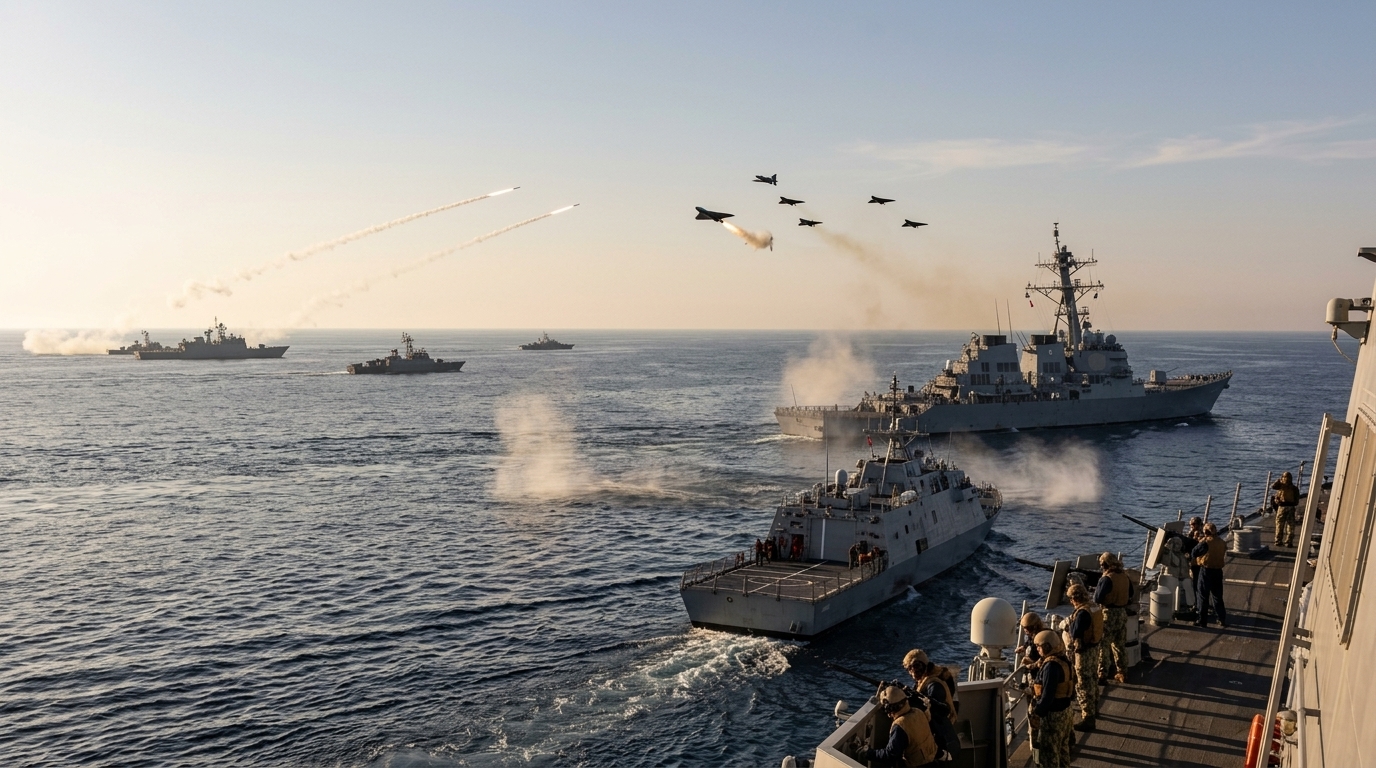
The reference to a “ceasefire violation” is directly linked to recent developments on Israel’s borders. For Trump, Tehran remains the central hub of regional instability. The rhetoric of the “easy way” implies a grand bargain that could include economic incentives and sanctions relief, provided Iran accepts what would be a humiliating retreat by its own standards. The “hard way,” conversely, foreshadows a total blockade of oil exports and potentially targeted strikes on critical infrastructure.
Pakistan as a Diplomatic Battleground
One of the most intriguing aspects of the current crisis is the selection of Pakistan as the venue for upcoming negotiations. Islamabad, traditionally maintaining a delicate balance between the West and the Islamic world, has been called upon to act as a mediator. This choice is calculated. Pakistan shares an extensive border with Iran and has a vested interest in regional stability, while its status as a nuclear power adds significant weight to the proceedings.
- Pakistan’s involvement suggests an attempt to regionalize the solution, moving beyond Western-centric frameworks.
- Washington seeks to isolate Tehran from its traditional Asian allies and partners.
- Negotiations are expected to cover not just nuclear enrichment, but border security and counter-terrorism measures.
However, the challenges remain monumental. Despite intense economic pressure, Iran has historically demonstrated remarkable resilience. The leadership in Tehran understands that any concession made under the duress of threats could be interpreted as internal weakness, potentially jeopardizing the regime’s survival.
Economic Implications and Global Energy Markets
The uncertainty surrounding US-Iran relations has an immediate impact on global markets. The threat of the “hard way” induces volatility in oil prices, as the Strait of Hormuz remains the most sensitive chokepoint in the global energy supply chain. Should Trump move toward full enforcement of secondary sanctions, the global oil supply could see a significant contraction, forcing markets to scramble for alternatives during an already inflationary period.
“We are not looking for regime change, but we are looking for a change in behavior that ensures Iran never obtains a nuclear weapon and stops financing chaos,” sources close to the Trump administration suggest.
In conclusion, Trump’s strategy is a high-stakes gamble. His belief that a “deal of the century” can be coerced through sheer force is testing the limits of international diplomacy. Whether this proves to be a masterstroke leading to lasting peace or a dangerous escalation that ignites a new conflict, one thing is certain: the coming months will define the future of the Middle East for decades to come.