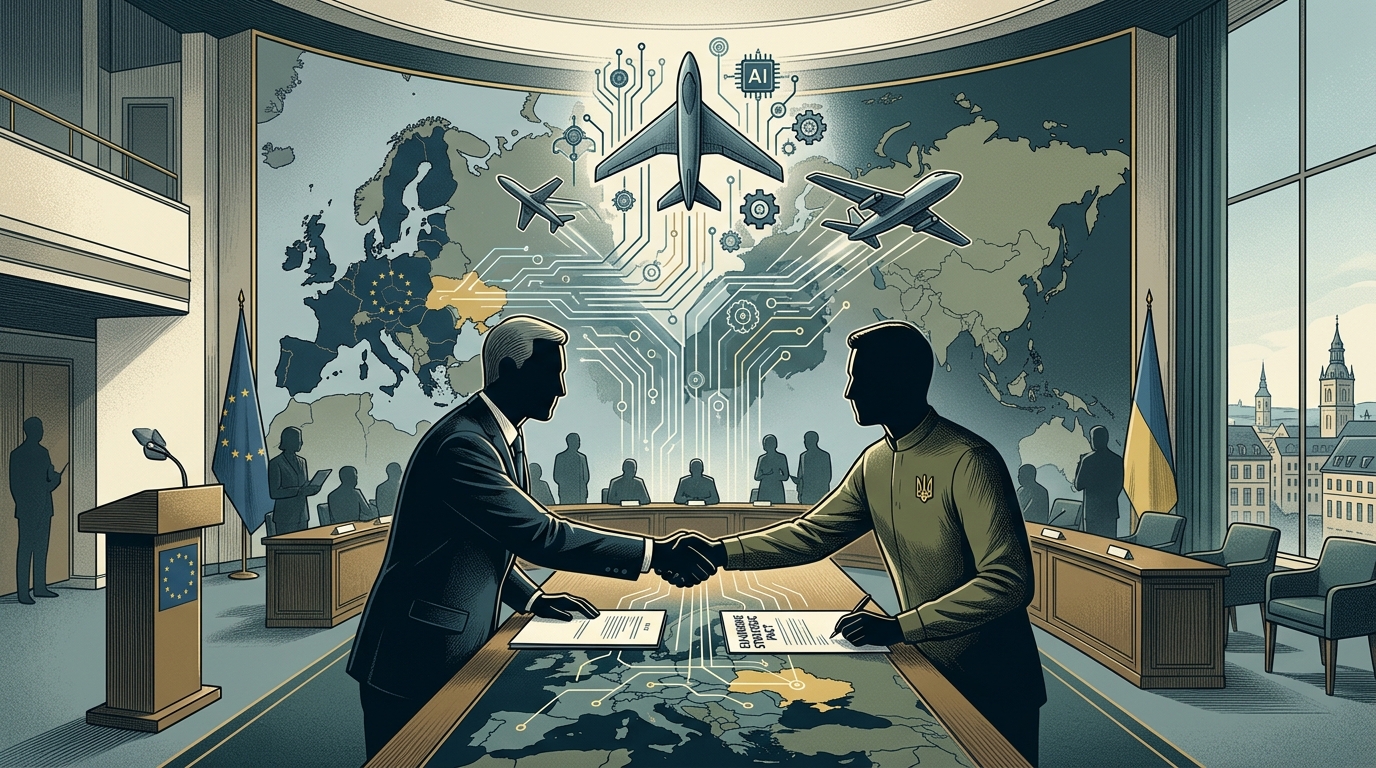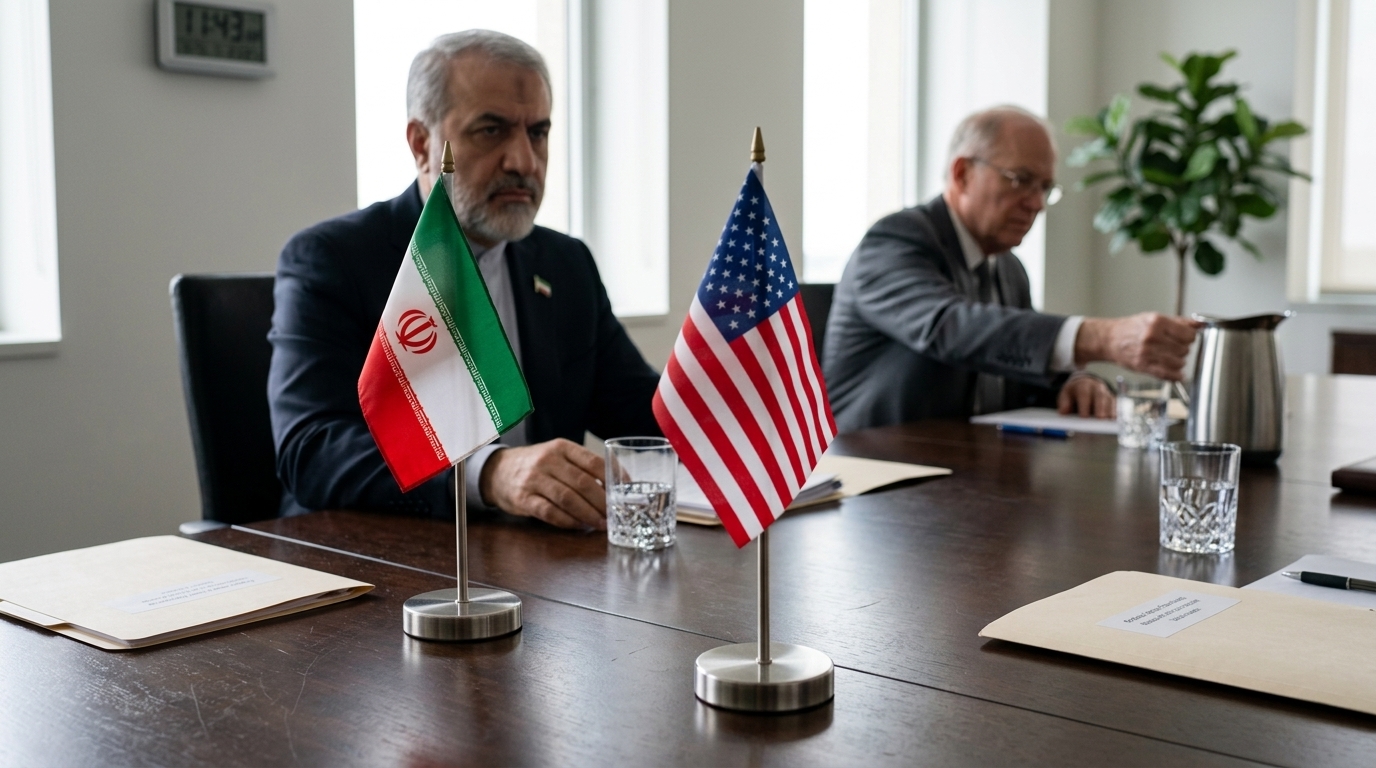
In a move that reshapes the global map of technological diplomacy, the Trump administration has announced a series of sweeping measures aimed at restricting the ability of Chinese companies to utilize American artificial intelligence. This initiative marks a critical shift: from restricting hardware, such as Nvidia's semiconductors, to restricting the software itself and the mathematical parameters that form the 'heart' of modern AI.
The Strategy of 'Digital Fencing'
The logic behind the new crackdown is simple yet extremely complex in its execution. According to US Department of Commerce officials, Chinese entities have managed to bypass existing chip export restrictions by using American open-source models or by renting computing power through cloud services from US providers. The Trump administration views this 'exploitation' as allowing Beijing to accelerate its military and intelligence capabilities using the very innovation born in Silicon Valley.
The new measures are expected to include tighter controls on the export of 'model weights'—the numerical values that determine how an AI processes information. While open-source models, such as Meta's Llama, have been a driving force for global innovation, Washington now views them as a 'backdoor' through which China can acquire cutting-edge technology without having to develop it from scratch.
The Open Source Dilemma
This decision has sparked intense reactions within the tech community. Many argue that restricting open-source models will harm American leadership more than it will hinder China. Proponents of open source point out that transparency and collaboration are what brought the US to the top. However, the current administration seems to prioritize national security over the ideology of free information exchange.
- Implementation of 'Know Your Customer' (KYC) rules for cloud computing providers.
- Restrictions on the transfer of advanced algorithms to entities linked to the Chinese military.
- Strict oversight of research collaborations between US universities and Chinese institutes.
The White House argues that China uses artificial intelligence for internal suppression of minorities and to enhance cyberattacks against American infrastructure. "We cannot allow our primary competitor to build the arsenal of the future on our own foundations," a senior national security advisor stated emphatically.
Economic and Geopolitical Implications
This move is not without cost. American cloud giants like Microsoft, Amazon, and Google may lose significant revenue from the Chinese market. Furthermore, there is the risk of a full 'Digital Iron Curtain,' where the world splits into two incompatible technological ecosystems. China, for its part, has already begun investing billions in developing its own domestic solutions, seeking complete self-sufficiency.
"Artificial intelligence is the new steel, and Washington has decided it will no longer export its furnace technology," says a geopolitical analyst.
In conclusion, the Trump administration's crackdown on the 'exploitation' of AI models is a bold, if risky, attempt to maintain the American advantage. Whether it is possible to restrict the flow of digital information in a globalized world remains the great question of our decade.