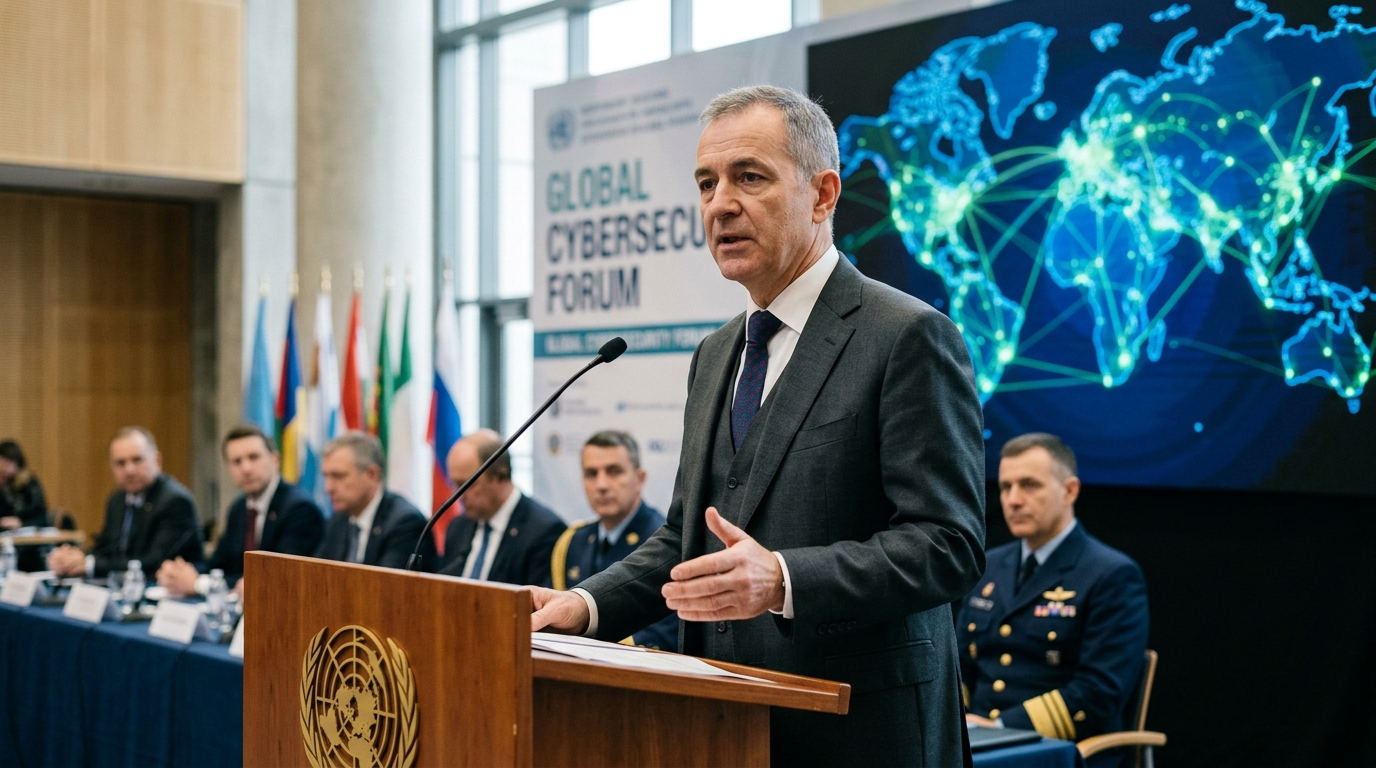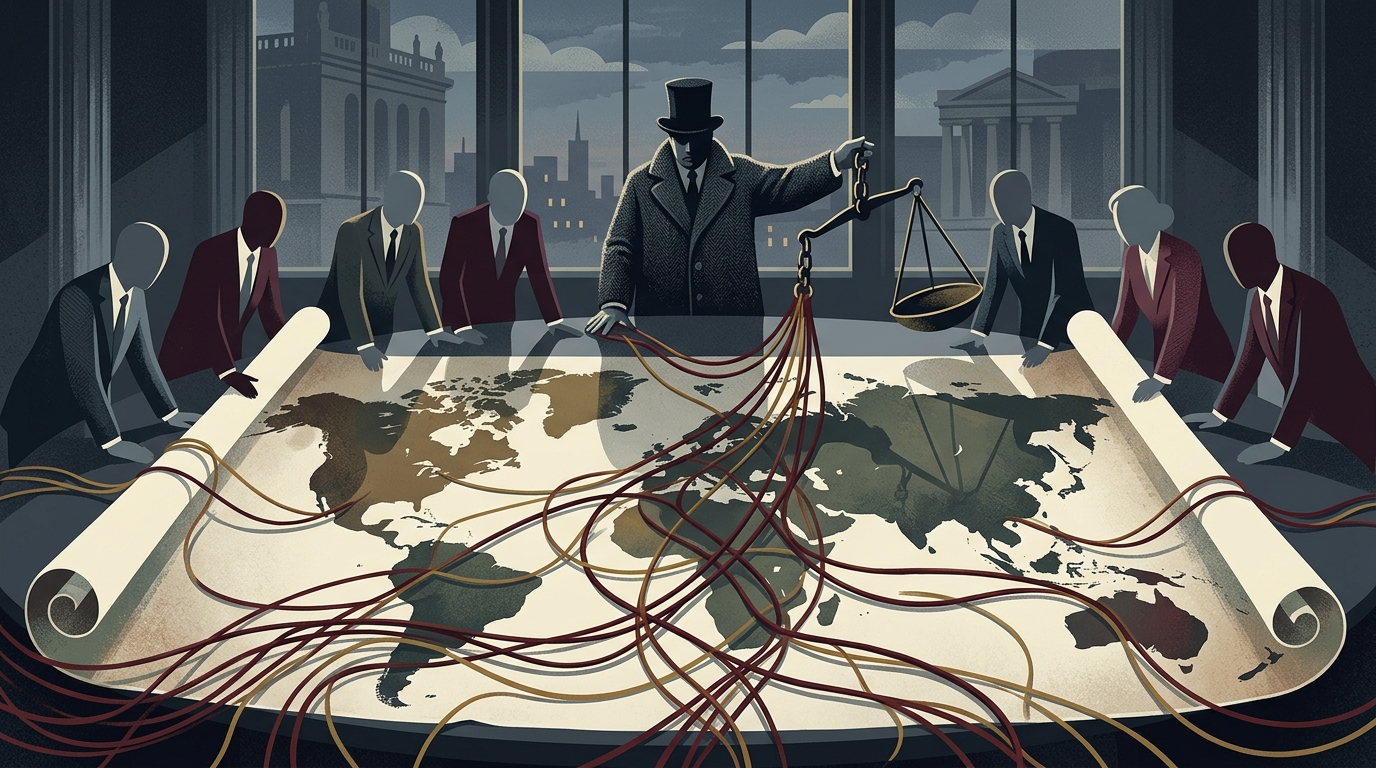
The global geopolitical landscape is reeling from the revelations of a new White House memorandum, which paints a stark picture of a coordinated and systematic campaign of AI intellectual property theft by Chinese firms. The document, brought to light via BBC sources, is not merely an accusation but a detailed chronicle of methods ranging from sophisticated cyber-espionage to forced technology transfer via joint ventures.
According to the memo, China has designated AI supremacy by 2030 as a core national priority, and to achieve this, it appears to have mobilized every available resource. Washington alleges that Chinese authorities are directing private corporations and state-affiliated entities to infiltrate the networks of leading American AI research labs, stealing not just source code, but the critical 'weights' of large language models—the multi-billion dollar results of years of compute-heavy training.
The Anatomy of Digital Espionage
The memorandum breaks down the alleged theft into three primary pillars. The first is traditional yet highly advanced cyber-espionage. Beijing-linked Advanced Persistent Threats (APTs) have reportedly targeted the cloud infrastructures hosting the proprietary models of OpenAI, Google, and Anthropic. The difficulty in detecting these breaches lies in their subtlety; instead of bulk data exfiltration, these actors 'bleed' data slowly and steadily to evade automated security triggers.
The second pillar involves 'talent recruitment.' Through initiatives like the 'Thousand Talents Plan,' Beijing offers astronomical compensation to scientists working in the U.S. to bring their expertise back to China. While career mobility is standard, the White House contends that in many instances, this transition is accompanied by the illegal transfer of proprietary datasets and research notes protected by non-disclosure agreements.
The third and perhaps most nuanced pillar is the exploitation of open science. China is allegedly using academic partnerships and student exchange programs to gain early access to cutting-edge research funded by the U.S. government, subsequently funneling these insights directly into military-industrial applications.
Geopolitical Fallout and Washington's Response
The release of this document signals a pivotal shift in American strategy. We are moving from an era of trade tariffs to an era of 'technological containment.' The U.S. government is now considering even more stringent export controls—not just on hardware like GPUs, but on software, algorithms, and training methodologies. There are internal calls for the creation of a 'Digital Iron Curtain,' where access to advanced AI models would be strictly limited to allied nations that adhere to rigorous security protocols.
For its part, Beijing has dismissed the allegations as 'technological hegemony' and 'politically motivated paranoia.' Chinese officials argue that their AI progress is a product of domestic innovation and massive investment in STEM education. Furthermore, they accuse the U.S. of attempting to stifle China's economic rise by weaponizing national security concerns to protect Silicon Valley monopolies.
The Open Source Dilemma
One of the most provocative sections of the memo critiques the open-source community. While open research has fueled the AI boom, the White House warns that Chinese firms are the primary beneficiaries of this transparency. It notes that models released as open-weights by Western companies have been 'repackaged' by Chinese tech giants within weeks, with minimal fine-tuning, and presented as indigenous breakthroughs.
This poses an existential question for the scientific community: Can innovation survive if transparency is deemed a national security risk? The trend toward 'closed-door research' is accelerating, a move many fear will slow human progress as a whole for the sake of geopolitical positioning.
Conclusion: One World, Two Intelligences
As we move deeper into 2026, the reality is clear: Artificial Intelligence is no longer just a productivity tool; it is the ultimate instrument of power. The conflict over intellectual property is the tip of the iceberg in a race that will determine who controls the infrastructure of the future global economy. The rift between the two superpowers appears definitive, leading toward a fragmented digital world where knowledge is no longer a shared resource but the most guarded state secret.