In Carl von Clausewitz’s classic definition, the "fog of war" described the uncertainty that prevails on the battlefield due to a lack of information. Today, in 2026, this fog has not lifted; instead, it has thickened, but in a fundamentally different way. It is no longer about the absence of data, but about its overwhelming abundance and the speed at which Artificial Intelligence (AI) processes it, creating a new, digital fog that threatens to outpace human perception.
The Rise of Algorithmic Warfare
The integration of AI into military operations is no longer science fiction. From the plains of Ukraine to the urban conflicts in the Middle East, algorithms have become the silent protagonists. Systems like "Lavender" or "Gospel," which have recently dominated international headlines, demonstrate how AI can process vast amounts of data from satellites, drones, and signals intelligence to generate target lists in a fraction of a second.
However, this "efficiency" comes at a staggering moral cost. Turning war into an optimization equation risks dehumanization. When an algorithm identifies a target based on probabilities, the human operator's responsibility is often reduced to a mere rubber stamp. This creates an accountability vacuum: who is responsible when the AI makes a mistake? The company that wrote the code, the officer who pressed the button, or the "black box" of the technology itself?
Cognitive Warfare and the Erosion of Truth
Beyond the kinetic battlefield, AI is waging an equally critical war in the information sphere. "Cognitive warfare" aims not at territory, but at the human mind. Using generative AI, state actors can now produce deepfakes and automated propaganda at a scale unimaginable just a few years ago.
- Deepfakes: Videos of leaders issuing surrender orders or statements designed to spark social unrest.
- Micro-targeting: Algorithms that identify the psychological vulnerabilities of specific population groups to sow discord.
- Automated Botnets: Armies of bots that don't just amplify messages but engage in dialogue, making the distinction between human and machine nearly impossible.
This erosion of objective truth makes decision-making by democratic institutions extremely difficult. In a crisis, leaders must decide in seconds while surrounded by a sea of AI-generated disinformation.
"Hyperwar" and the Speed Paradox
The term "Hyperwar" describes a conflict where the pace of operations is dictated by AI, exceeding the human brain's ability to keep up. In the future, drone swarms will make tactical decisions on the field without human intervention, communicating with each other at millisecond speeds.
"The speed of AI in warfare creates a dangerous paradox: the faster we can react, the less time we have to consider the consequences."
This acceleration increases the risk of accidental escalation. If two opposing AI systems engage in an algorithmic confrontation, the situation could spiral out of control before political leaders even have time to pick up the "red phone."
The Geopolitics of Silicon
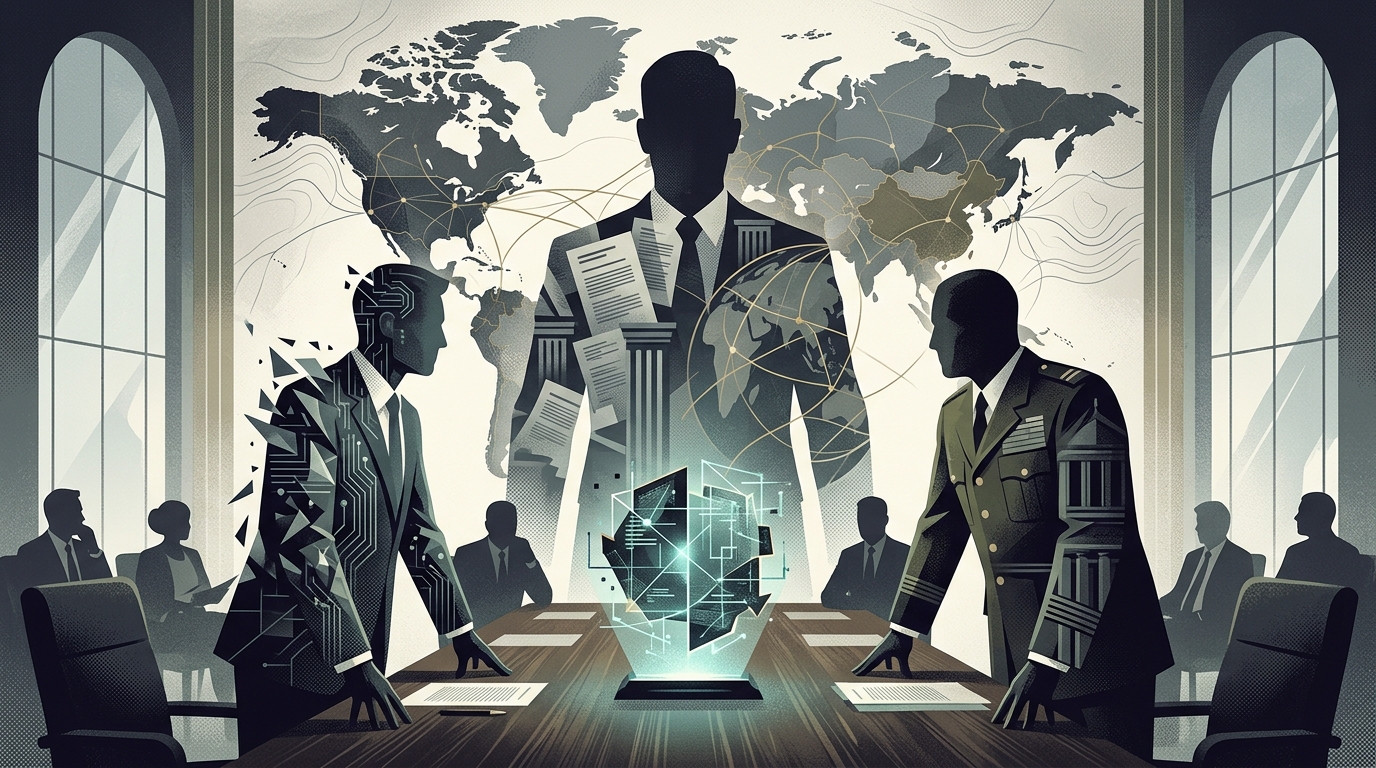
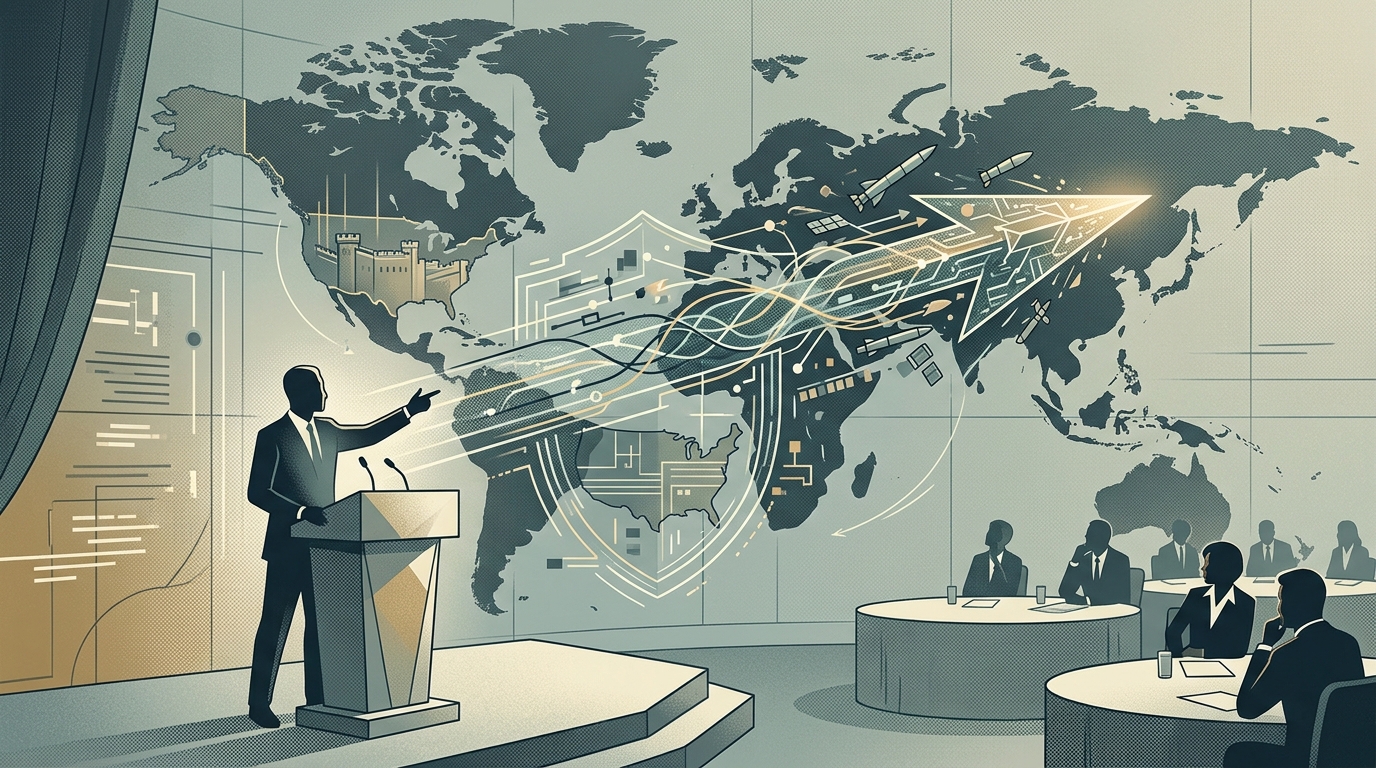
The AI arms race is not just about weapons; it's about infrastructure. Access to advanced semiconductors and computing power has become the new "oil" of the 21st century. The dominance of the US and China in this field creates a new bipolarity, where countries without their own technological base risk becoming "digital protectorates."
Europe, trying to balance ethics and power with the AI Act, faces a dilemma: can it remain militarily relevant when its regulations limit the development of technologies that its rivals adopt without hesitation? The answer will define the continent's security for decades to come.
Conclusion: The Need for a New Geneva Convention
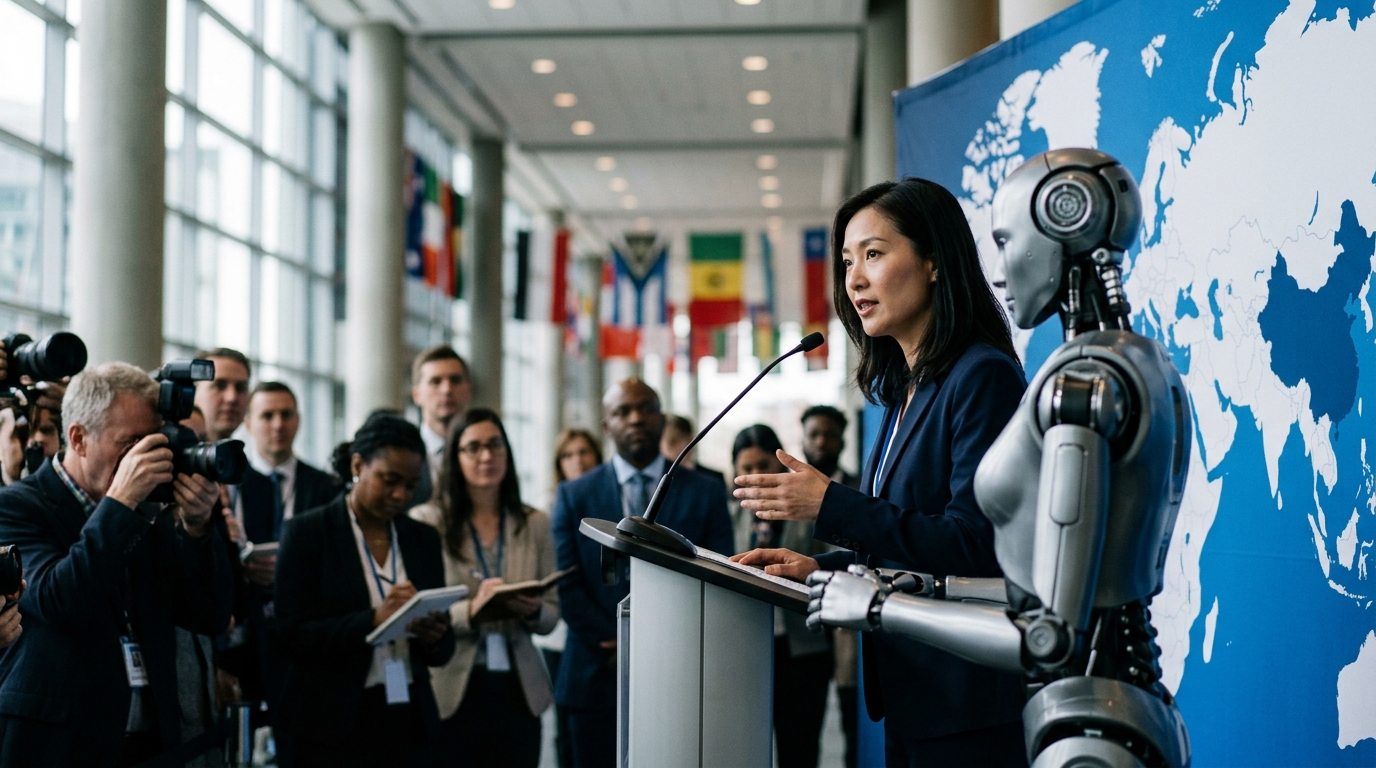
As the fog of war thickens algorithmically, the international community must act. We urgently need new frameworks to define the limits of AI in conflict. Maintaining a "human-in-the-loop" must not be just a technical specification, but a moral imperative. War is a deeply human tragedy; if we allow machines to conduct it autonomously, we risk losing not just the battle, but our humanity.