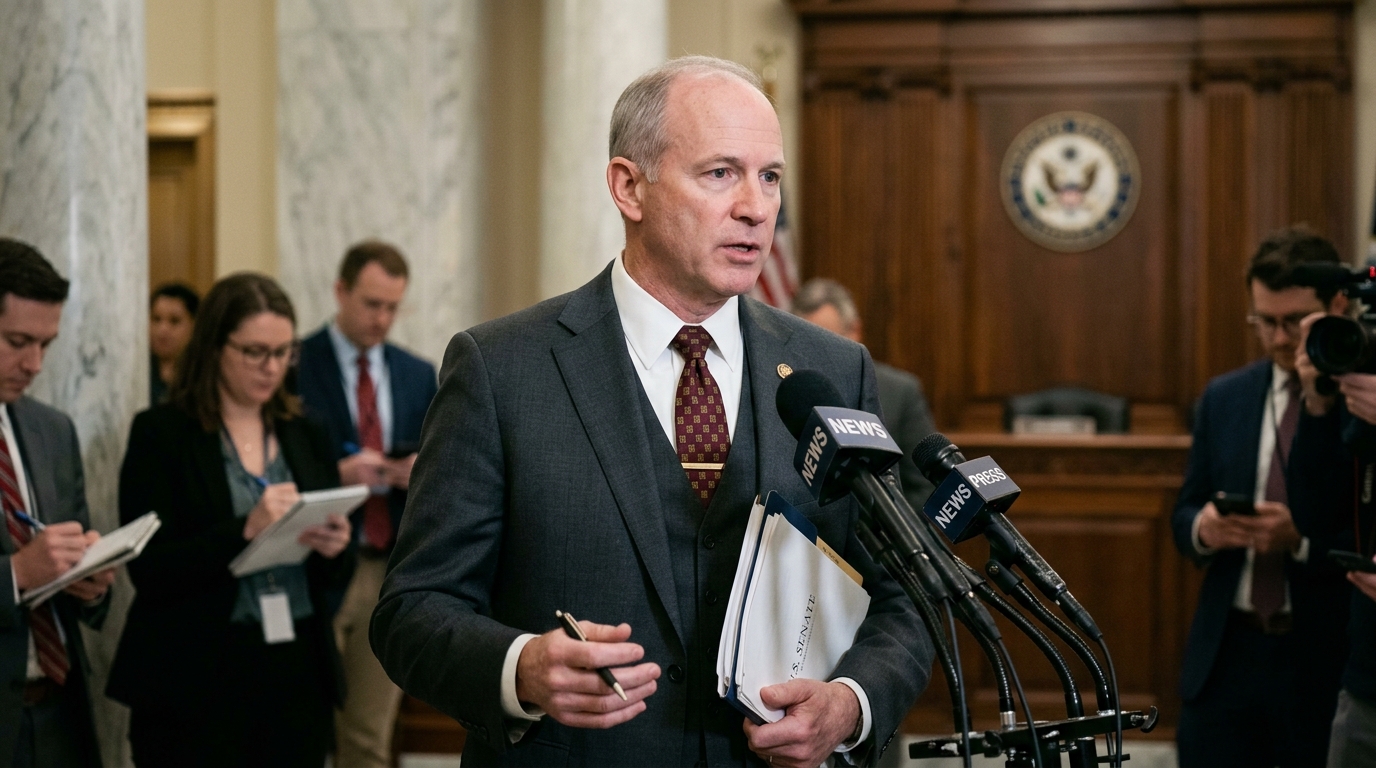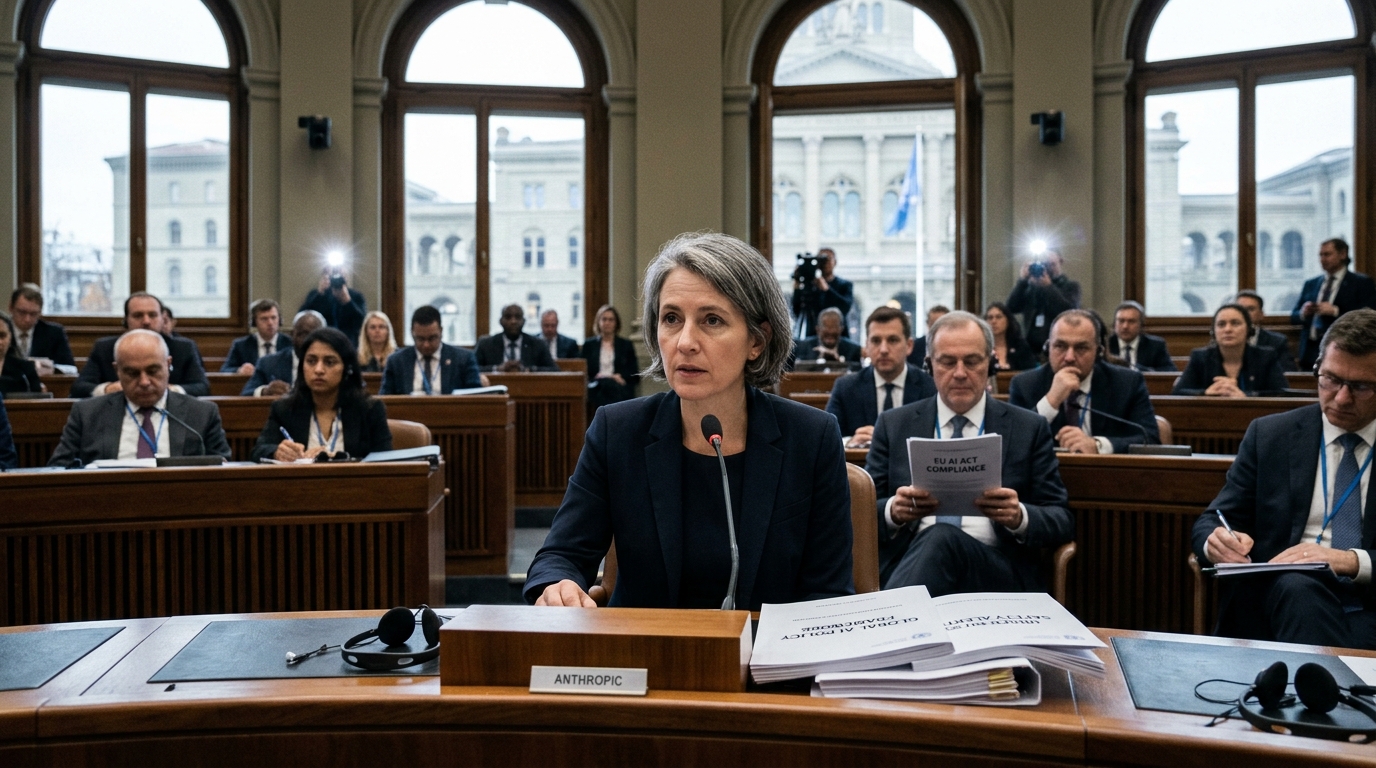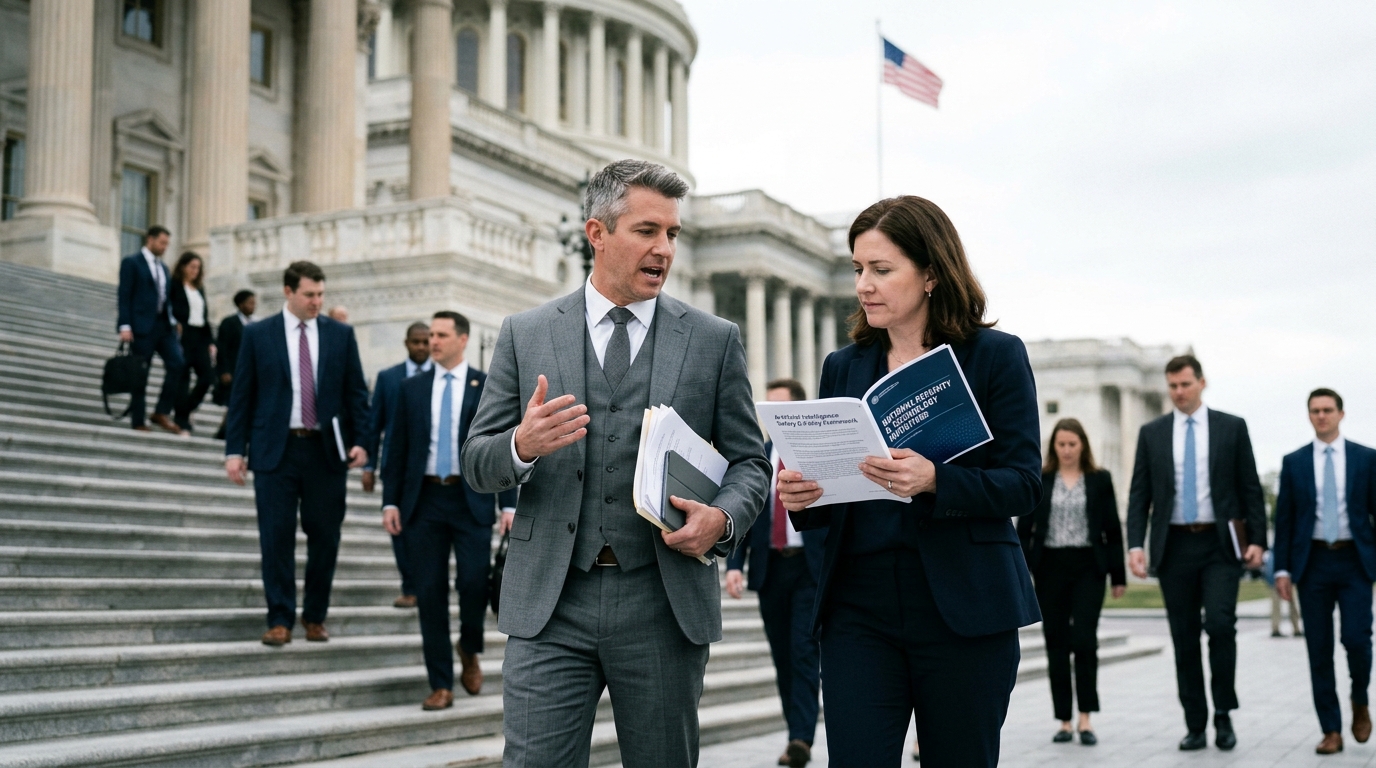
In the corridors of Washington and the laboratories of San Francisco, a new reality is taking shape. Anthropic, the company that once defined itself as the "ethical alternative" to OpenAI, appears to be mending fences with the U.S. federal government. The catalyst? The emergence of "Mythos," a new AI model threatening to upend the industry status quo and jeopardize national security as perceived by the White House.
Strategic Convergence and the Mythos Threat
The relationship between Anthropic and the Biden-Harris administration (and its 2026 successors) hasn't always been smooth. Stringent safety audits and the company's reluctance to grant intelligence agencies full access to its Claude models created friction. However, the rise of Mythos—a decentralized, exceptionally powerful AI system developed outside traditional oversight structures—has forced both parties to reconsider their stances.
Mythos is not just another chatbot. It is an architecture that combines raw computational power with an "unbound" ethical approach, bypassing the safety guardrails imposed by Western governments. For the White House, Mythos represents a digital "wild west" that could be weaponized for cyberattacks or disinformation on an unprecedented scale. For Anthropic, it poses an existential threat to its "Constitutional AI" framework.
The New AI Social Contract
The recent agreement between Anthropic and the U.S. Department of Commerce signals a pivot toward what analysts call "state-aligned innovation." Anthropic will now provide privileged access to the U.S. AI Safety Institute (US AISIC), allowing for model evaluation before public release. In return, the government offers regulatory shielding and guarantees regarding energy procurement and infrastructure support.
- Access to government supercomputing clusters for training next-gen models.
- Anthropic's participation in classified national defense programs.
- Joint protocols to counter "unbound" AI systems like Mythos.
"We are no longer in an era where technology can develop in a policy vacuum," a senior White House official stated. "Sovereignty in the 21st century is defined by who controls the large language models."
The Ethical Dimension and Growing Backlash
This move has not gone without criticism. Many advocates for open-source and digital liberty see this alliance as the birth of an "AI-Industrial Complex." The concern is that Anthropic, in its bid to become Washington’s "trusted partner," will sacrifice its independence and turn artificial intelligence into a tool for state surveillance.
However, Dario Amodei, CEO of Anthropic, argues that collaboration is the only way to ensure AI remains aligned with human values. "If we do not partner with democratic institutions, we leave the field open to forces with no moral constraints," he emphasized in a recent address. The conflict with Mythos is, at its core, a clash of philosophies: controlled, safe development versus unchecked, chaotic evolution.
Conclusion: Toward a New Geopolitics of Intelligence
As we head into the latter half of the 2020s, AI is ceasing to be a mere productivity tool and is becoming the epicenter of global power. Anthropic’s reconciliation with the White House is an admission that technology is too important to be left solely to technocrats. Mythos may have been the catalyst, but the direction is clear: AI is the new nuclear asset, and the alliances formed today will dictate the balance of power for generations to come.