The global geopolitical landscape is entering a new, more aggressive phase as the U.S. State Department has issued an urgent directive to its diplomatic missions worldwide. The subject of the warning? The rapid rise of Chinese artificial intelligence models, centered on the company DeepSeek, and allegations of systematic intellectual property theft and circumvention of U.S. technology export restrictions.
The Rise of DeepSeek and Washington’s Shock
Until a few months ago, DeepSeek was a name known primarily within research circles. However, the release of the DeepSeek-V3 and R1 models changed everything. The Chinese startup managed to present models that compete head-to-head with OpenAI’s GPT-4 and Anthropic’s Claude, but at a fraction of the training cost. This "efficiency" is precisely what has triggered Washington's suspicion.
According to the State Department memo, there are credible suspicions that DeepSeek and other Chinese entities did not rely solely on indigenous innovation. The accusation involves the use of "distilled" data from American models—a process where a Chinese model is trained using the outputs of a leading U.S. model, essentially stealing its "logic" and knowledge without incurring the massive costs of original R&D.
The Geopolitical Dimension of the Warning
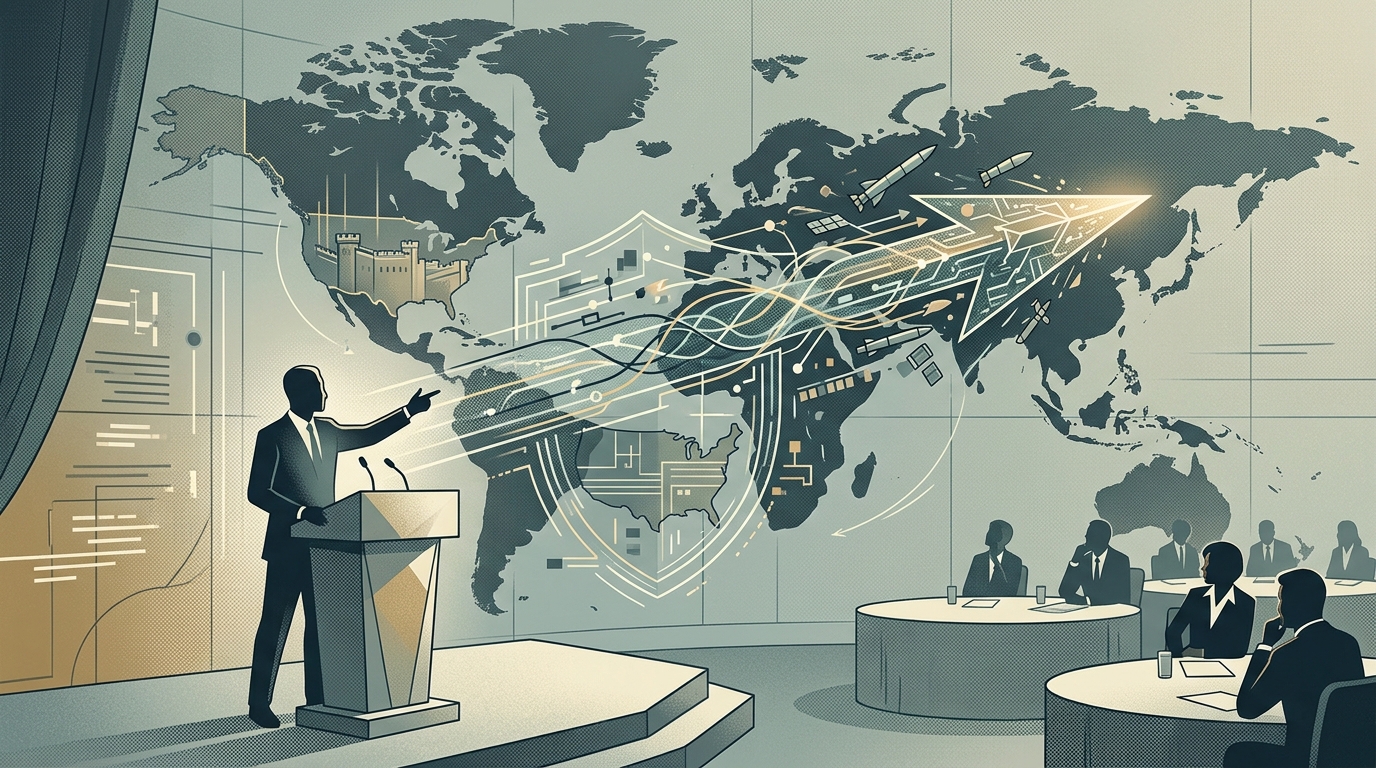
The U.S. move to issue a global warning is not merely a legal dispute over copyrights. It is a strategic effort to curb the spread of Chinese influence in the AI sector. The U.S. is calling on its allies—from Europe to Southeast Asia—to reconsider the use of Chinese AI tools in their critical infrastructure and public sectors.
Washington’s argument is twofold: first, data security, as Chinese models are subject to Beijing’s national security laws; and second, the ethics of innovation. If China can "copy" American technology and offer it at a lower price, it undermines the economic model of Western companies investing billions in Nvidia hardware and massive server clusters.
Beijing’s Reaction and the Future of Open Source
For its part, China categorically denies the allegations, speaking of "technological bullying" and a U.S. attempt to maintain a monopolistic hegemony. DeepSeek, in fact, has followed an open-source strategy, releasing its model weights freely, a move that has garnered support from many developers worldwide who feel trapped in Silicon Valley’s closed ecosystems.
This conflict sets a dangerous precedent. If AI splits into two camps—one under U.S. hegemony and one under Chinese hegemony—global cooperation in scientific research will suffer a heavy blow. Europe, once again, finds itself in the middle, trying to balance the need for security with the desire for cheap and accessible technology to boost its competitiveness.
Conclusions and Challenges
The State Department warning signals the end of naivety in the AI market. This is no longer just about chatbots and image generation; it is about dominance in the 21st century. The challenges arising are numerous:
- How can allegations of theft be proven in models that function as "black boxes"?
- Will U.S. allies follow the exclusion line, risking commercial retaliation from China?
- Can open source survive in an environment of intense geopolitical competition?
What is certain is that DeepSeek managed to do something no one expected: force the world's superpower to defend itself diplomatically against a few lines of code and a few billion parameters.