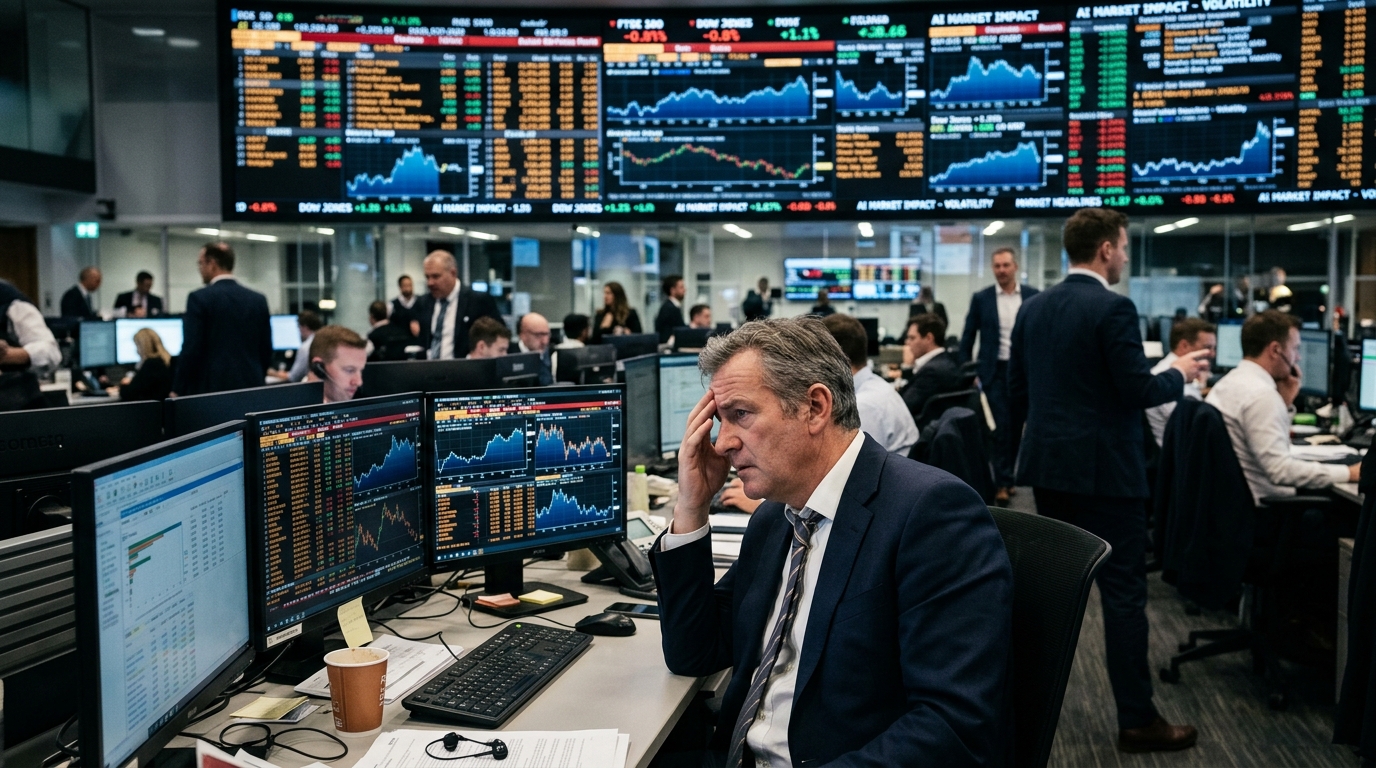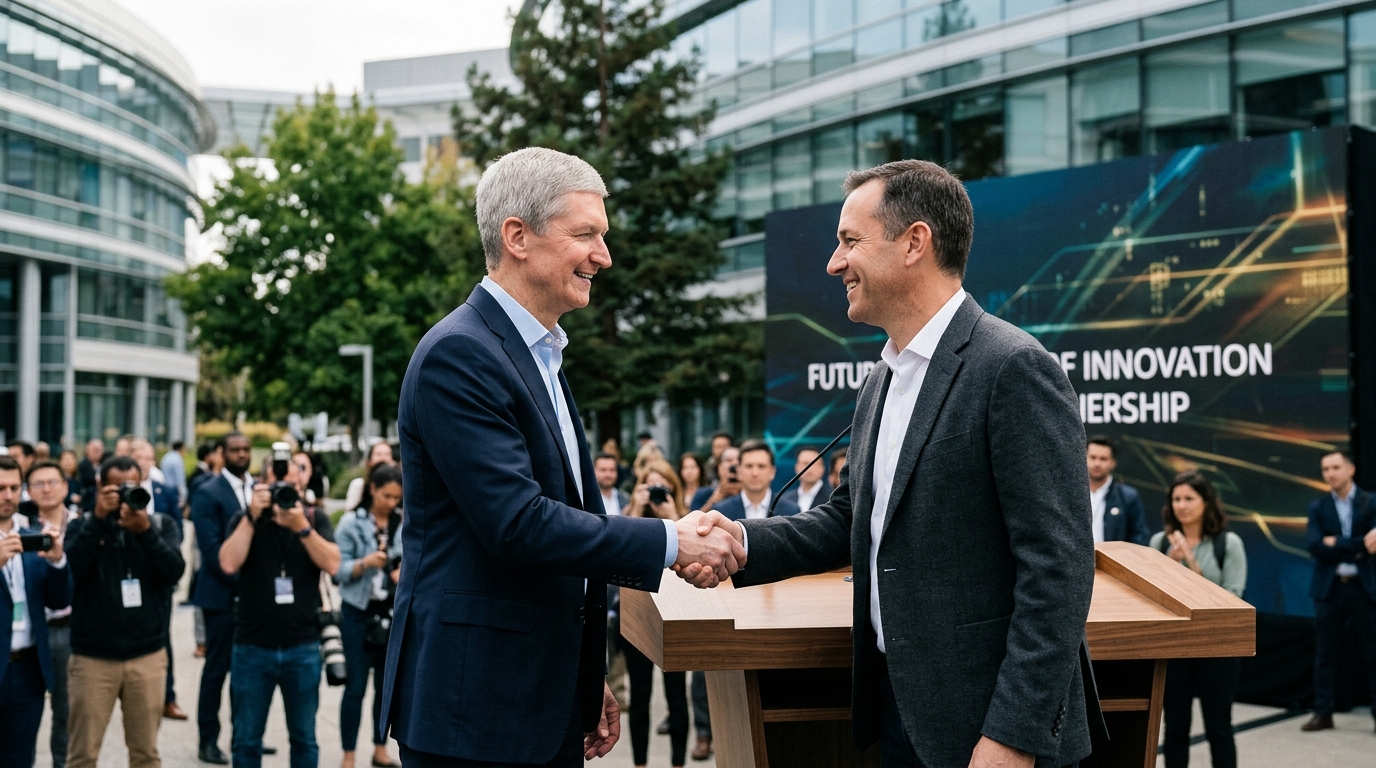
The news that Google is set to invest an astronomical $40 billion in Anthropic is not merely a business deal; it is a declaration of dominance in a world being rapidly reshaped by Artificial Intelligence. Anthropic, founded by former OpenAI executives with a focus on "safe" and "constitutional" AI, is now at the heart of a titanic struggle between the world's largest tech giants. This move by Google serves as a powerful response to the Microsoft-OpenAI alliance, raising the stakes to levels few could have imagined just a few years ago.
The Strategy of "Double Hedging"
For Google, this investment represents a high-stakes, high-necessity strategic maneuver. Despite having its own flagship model, Gemini, Sundar Pichai’s leadership seems to be adopting a policy of "double hedging." By investing heavily in Anthropic, Google ensures it won't be left behind if Anthropic’s approach—which emphasizes ethical alignment and model interpretability—proves more effective or attractive to enterprises in the long run.
Furthermore, this deal isn't just about cash flow. A significant portion of the investment is expected to be funneled into purchasing computing power from Google Cloud. It is a "closed-loop" of capital: Google provides the funds to Anthropic, and Anthropic returns them to Google to utilize data centers and specialized TPU (Tensor Processing Units) hardware. This allows Google to bolster its cloud ecosystem while simultaneously supporting one of the most capable players in the Large Language Model (LLM) space.
Responding to Competition and the Question of Autonomy
Anthropic has also managed to attract substantial investment from Amazon, creating a unique situation where two of the world's largest cloud providers are backing the same company. This highlights the critical nature of Anthropic’s models, such as the Claude series, which many experts consider the only viable competitors to GPT-4 and its successors in terms of reasoning capabilities and accuracy.
- Training Costs: Training next-generation models now requires billions of dollars in specialized hardware and energy consumption.
- AI Safety: Anthropic promotes "Constitutional AI," a method where the model self-regulates based on a predefined set of principles.
- Enterprise Adoption: Corporations are seeking alternatives to avoid being locked into the Microsoft/Azure ecosystem.
However, the $40 billion investment raises serious questions regarding Anthropic's independence. While the company began as an effort to create a more transparent and ethical AI, its absolute dependence on capital from Google and Amazon may limit its freedom of movement. Is it possible for a company to remain the "guardian of ethics" when it is funded by the very players it aims to keep in check?
Regulatory Challenges and the Market's Future
Antitrust authorities in the US and Europe are already closely monitoring these "investments that look like acquisitions." The FTC (Federal Trade Commission) has expressed concerns over how Big Tech uses startup investments to bypass competition laws. A $40 billion injection is certain to trigger exhaustive regulatory scrutiny.
"We are no longer in the era of experimentation. We are in the era of industrial consolidation of AI, where only those with access to unlimited capital can survive," market analysts suggest.
Ultimately, Google's move demonstrates that the path to Artificial General Intelligence (AGI) requires absolute financial might. Anthropic, with Google's backing, aims to become the operating system of tomorrow's economy. Whether this concentration of power will benefit humanity or create new digital oligopolies remains to be seen.