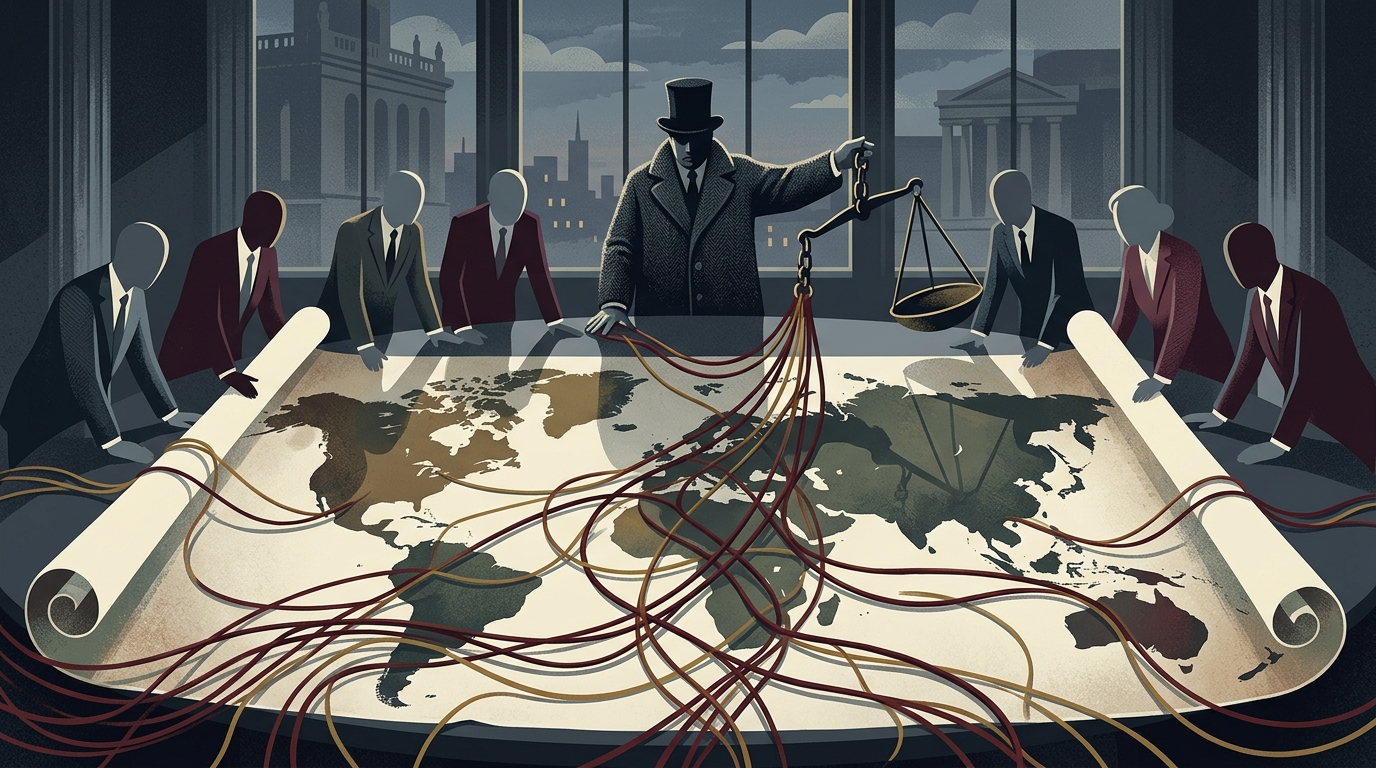
The geopolitical chessboard of artificial intelligence is vibrating from a new, intense escalation. According to exclusive information circulating in diplomatic circles and confirmed by Reuters reports, the United States State Department has sent an urgent cable to embassies and allies worldwide. The subject? A stern warning regarding the practices of the Chinese company DeepSeek and other China-based entities, accused of systematic intellectual property theft and the illicit acquisition of Western AI models.
The Rise of DeepSeek and Washington’s Anxiety
DeepSeek is no ordinary company. In recent months, the Chinese startup has sent shockwaves through Silicon Valley by introducing models like DeepSeek-V3 and R1, which offer performance comparable to OpenAI’s GPT-4 but at a fraction of the training cost. While the Chinese side speaks of "algorithmic efficiency," Washington sees something much darker behind the curtain. The US government contends that this rapid progress is not merely a product of domestic innovation but the result of "aggressive acquisition" of data, code, and architectures belonging to American firms.
The State Department warning highlights that DeepSeek utilizes sophisticated scraping techniques and, in some instances, cyber-espionage to bypass the hurdles set by US semiconductor export restrictions. The US strategy appears aimed at limiting the global adoption of these Chinese models, arguing that their use poses risks to national security and user data integrity.
The Diplomacy of Artificial Intelligence
This move signals a transition from a trade war to a "diplomatic war of algorithms." The State Department is calling on allied governments to reconsider their partnerships with Chinese AI firms and to strengthen intellectual property protection frameworks. The US fears that if China manages to dominate the market for "cheap and powerful AI," it will gain a massive advantage in global data collection, which will subsequently fuel its military applications.
- Systematic theft of model weights from Western servers.
- Use of reverse engineering techniques on closed models via APIs.
- Recruitment of top researchers with access to proprietary data.
- Exploitation of security vulnerabilities in cloud infrastructures.
For its part, China rejects the accusations as "baseless and politically motivated," accusing the US of technological hegemonism. Beijing maintains that DeepSeek’s success is due to its open research culture and the ability of Chinese engineers to optimize software when hardware is limited due to sanctions.
Impact on the Global Market
This conflict endangers global collaboration in AI research. Many scientists fear that the "balkanization" of technology will lead to two isolated ecosystems: a Western one and a Chinese one. For European countries, the situation is particularly complex. On one hand, the pressure from Washington is relentless. On the other, the need for affordable and powerful AI solutions is imperative for the competitiveness of European businesses, which often find American models too expensive or restrictive.
"It is no longer about who has the best code, but about who controls the chain of trust," says a senior EU official who requested anonymity.
In this environment, DeepSeek remains at the center. If the US allegations prove well-founded, the company may face sanctions similar to those imposed on Huawei, which would exclude it from most of the Western market. However, if the company continues to innovate at rates that outpace Silicon Valley, banning its use might prove practically impossible, as businesses may prioritize efficiency over geopolitical concerns.
Conclusion
The State Department's warning is a clear indication that artificial intelligence has ceased to be a field of pure science and has become the ultimate power tool of the 21st century. The battle over DeepSeek is just the tip of the iceberg in a long conflict that will determine the economic and military balance of the coming decades. Nations must now navigate these turbulent waters, simultaneously protecting their security and their access to innovation.