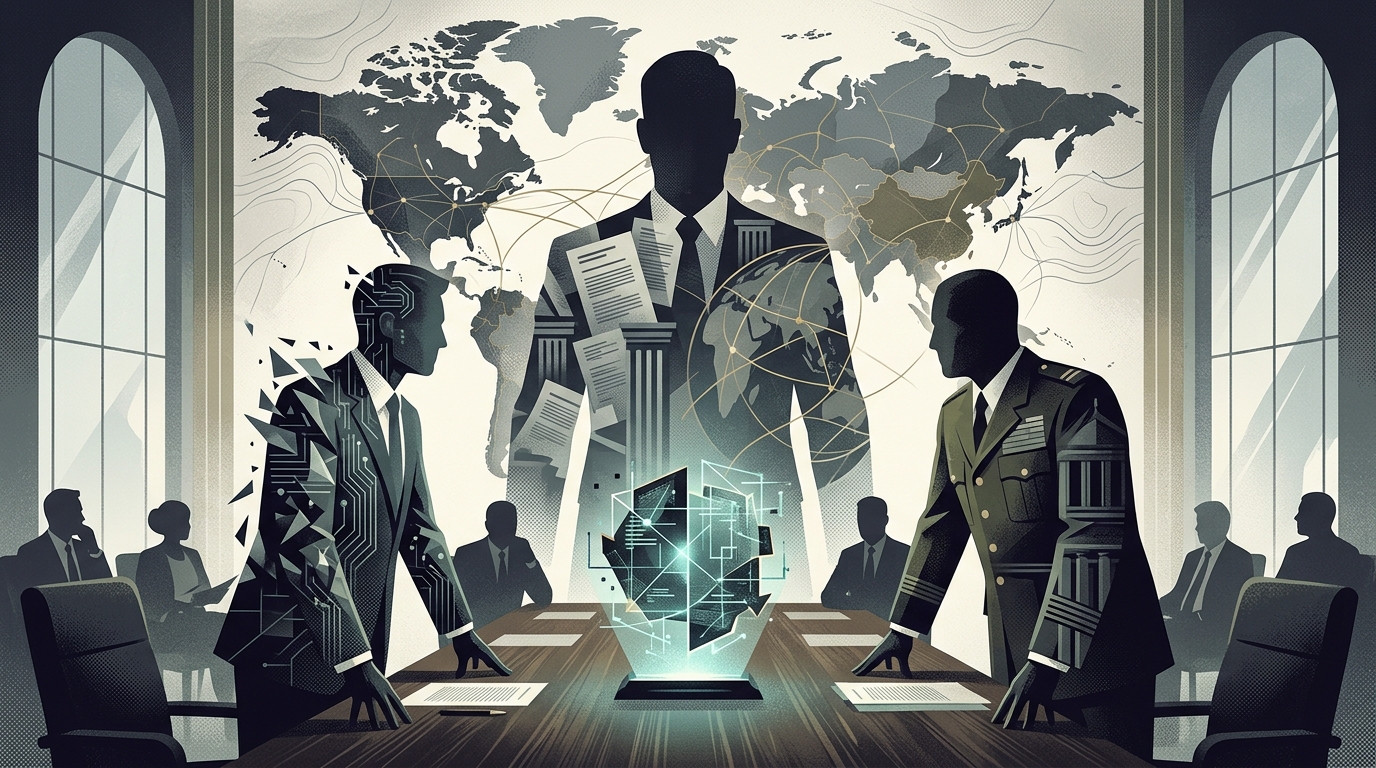
In a development that signals the end of the era of "digital neutrality," the world's leading artificial intelligence companies have reached an unprecedented agreement with the U.S. Department of Defense. According to a revealing report by the Washington Post, companies including OpenAI, Anthropic, Google, and Microsoft have agreed to allow the Pentagon to utilize their most advanced models for processing and analyzing classified data. This move is not merely a commercial deal, but a fundamental realignment of geopolitical balances in the 21st century.
The Great Reconciliation: From Project Maven to National Security
For years, the relationship between Silicon Valley and the U.S. military was fraught with tension. In 2018, intense protests from Google employees forced the company to withdraw from Project Maven, an initiative using AI for drone imagery analysis. Back then, the dominant narrative was that AI should remain "clean" of military applications. However, the rise of Generative AI and the intensifying competition with China have fundamentally shifted the landscape.
The new agreement concerns military access to specialized versions of Large Language Models (LLMs), which will operate within isolated, secure environments (air-gapped systems). The Pentagon seeks to use these tools to synthesize vast amounts of intelligence from global networks, optimize supply chains in conflict zones, and facilitate real-time decision-making. The use of "secret data" means these models will be trained or fine-tuned on information that has never been public, offering the military establishment an analytical power that was previously the stuff of science fiction.
The Ethical Pivot and New Red Lines
The acceptance of this partnership by companies that previously branded themselves as "humanitarian-focused" raises serious questions. OpenAI, for instance, quietly removed the explicit ban on using its technology for "military and warfare" purposes from its terms of service in early 2024. Anthropic, which markets itself as the "AI safety company," also appears to be aligning with the necessity of protecting Western democratic values against autocratic regimes.
Critics argue that integrating AI into military operations increases the risk of "automated escalation." If an algorithm misinterprets data and suggests a strike, the speed of the reaction might leave no room for human intervention. The companies, for their part, assure that their models will be used for supportive roles rather than direct kinetic guidance of weapon systems. However, the line between "logistical support" and "operational planning" remains dangerously blurred.
The Geopolitical Chessboard: The Race Against China
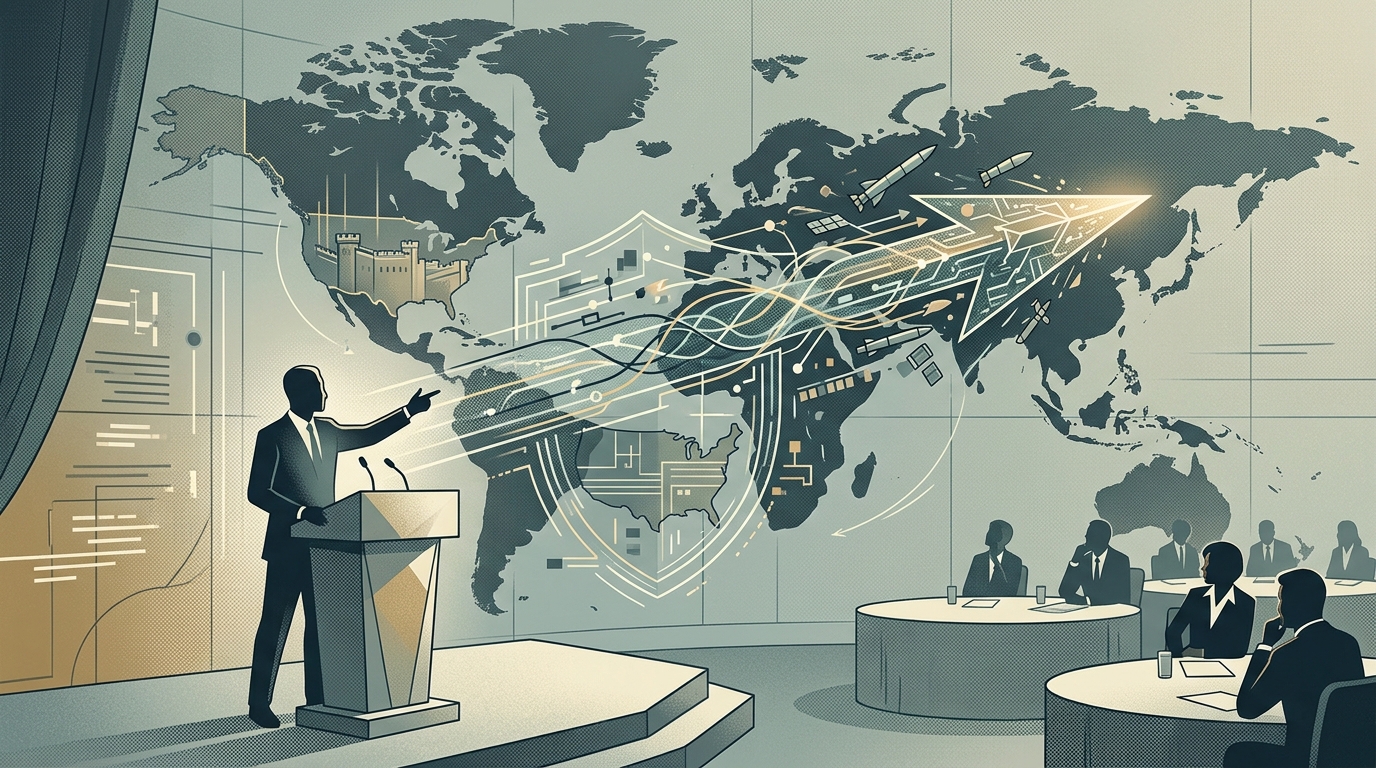
The primary driver behind this deal is Washington’s fear that Beijing is gaining ground. China does not face the same ethical constraints or internal pushback from its private sector. Chinese tech firms are legally mandated to cooperate with the People’s Liberation Army. For the Pentagon, Silicon Valley’s refusal to collaborate would amount to "unilateral disarmament" in the information domain.
This agreement transforms Big Tech companies into de facto defense contractors. This brings massive financial rewards but also a new form of state oversight. AI companies are no longer mere software providers; they are the guardians of the algorithms that will protect—or expose—U.S. national security. In a world where information is the ultimate weapon, Silicon Valley has just picked up its arms.
Conclusion: The Future of Conflict
The collaboration between the Pentagon and AI companies on secret data is the definitive confirmation that artificial intelligence is the "nuclear energy" of our time. The ability of machines to make sense of information chaos and extract strategic advantages will determine the victors of future conflicts. The question that remains unanswered is whether the creators of these systems can guarantee that their technology will not lead to a world where war is conducted at the speed of light, but without the tempering judgment of human conscience.