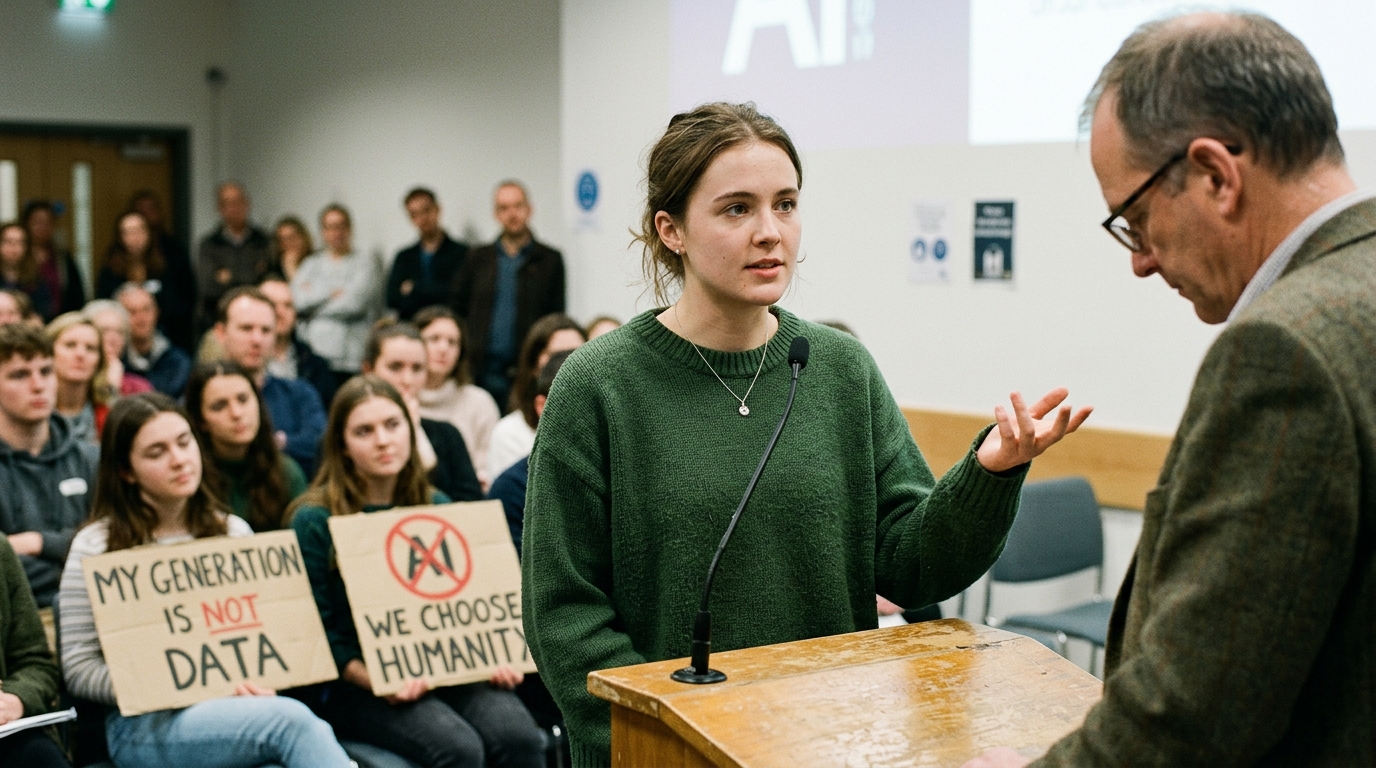
For decades, the narrative of technological progress has been linear: younger generations embrace the "next big thing" with unbridled enthusiasm, while their elders watch with skepticism. However, at the dawn of the Artificial Intelligence (AI) era, we are witnessing a historic reversal. Generation Z, the "digital natives" who never knew a world without the internet, is emerging as the most formidable voice of resistance against AI. This shift is not a mere trend; it is a profound ethical and cultural stance that is reshaping our relationship with the machine.
The Quest for Authenticity in a Digital Ocean
The core of Gen Z's argument against AI is rooted in the concept of authenticity. In a world increasingly flooded with "AI slop"—low-quality content mass-produced by algorithms—the human touch is becoming a luxury. For today's youth, the imperfection of a handwritten note, the grain of an analog photograph, or the raw vulnerability of a live performance represent the final frontiers of the human experience.
Generative AI is viewed by many as a "homogenization machine." When algorithms are trained on everything that has already been created, the result is an endless recycling of the average. Gen Z, which historically values individuality and self-expression, sees AI as a threat to the very concept of creativity. As a recent report by Futurism highlights, there is a growing visceral reaction against anything that "smells" like an algorithm, leading to a resurgence of analog technologies, from film cameras to "dumbphones."
The Ethical Burden: Environment and Labor
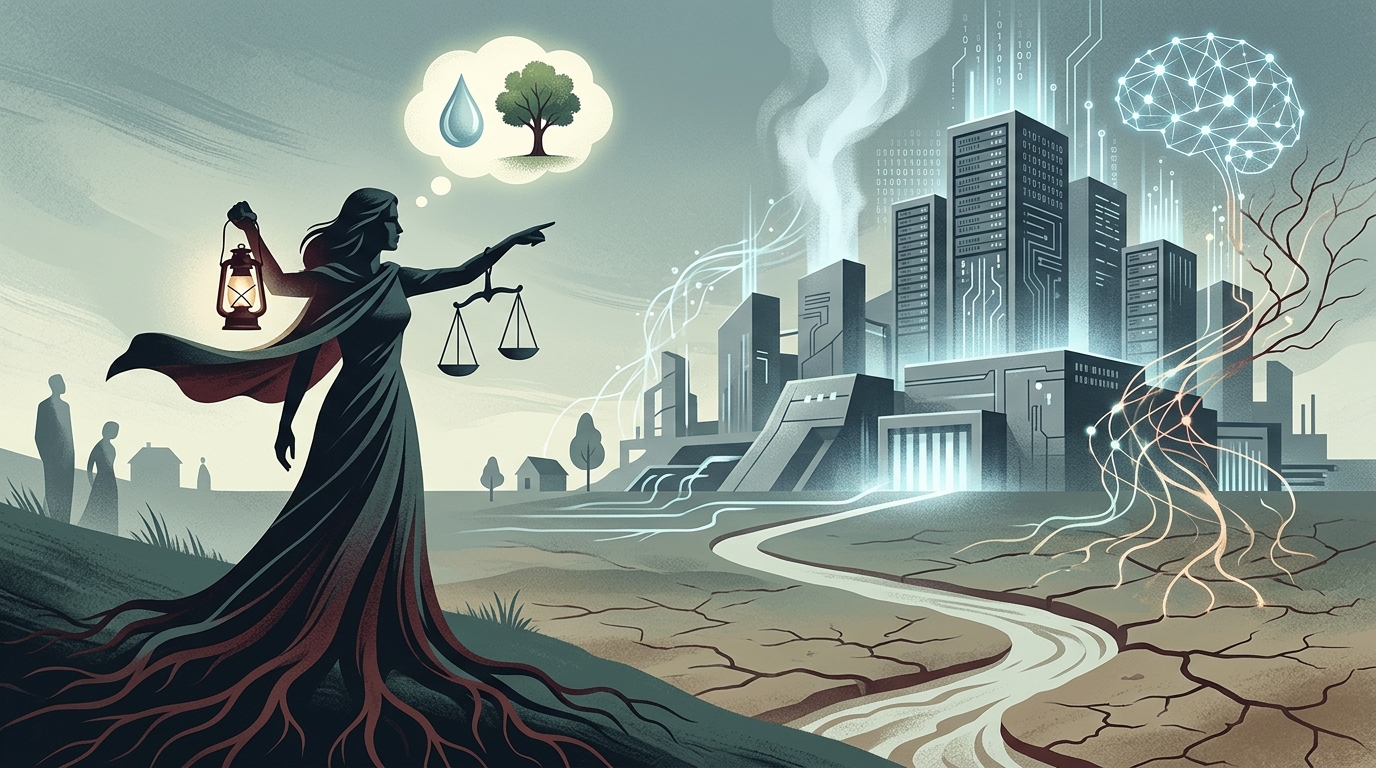
Beyond aesthetics, the resistance is deeply political. Gen Z is the first generation to directly link technology consumption with the climate crisis. The massive energy and water consumption required to run AI data centers does not go unnoticed. In an era where climate anxiety is at its peak, wasting resources to generate "fake" images is seen by many young people as ethically indefensible.
- Intellectual Property: Using artworks without the consent of creators to train models is viewed as "digital theft."
- Labor Exploitation: Revelations about low-paid workers in the Global South filtering toxic content for AI have sparked outrage.
- Job Displacement: Gen Z sees entry-level roles in writing, design, and coding disappearing before they even have a chance to enter the market.
This generation does not see AI as a tool that will make them more productive; they see it as a corporate strategy to cut costs at the expense of human dignity and the environment. The promise of "democratizing creativity" rings hollow when it results in the devaluation of human skill.
The "Dead Internet Theory" and the Collapse of Trust
The concept of the "Dead Internet Theory"—the idea that most internet content is now produced by bots for bots—is moving from a conspiracy theory to a daily reality. Gen Z is the first to experience the full erosion of truth. When a deepfake can destroy a reputation or influence an election, the reaction is not adaptation, but withdrawal.
"We don't want a world where we have to question every pixel we see. We want connection, not simulation," says a 22-year-old activist in a recent survey.
This distrust extends to social media platforms. The shift from "social" to "algorithmic" feeds has exhausted users. Gen Z is now seeking out smaller, closed communities (Discord, Telegram, private groups) where AI presence is limited and human interaction is guaranteed. The "revolution" against AI is, in reality, a cry for a return to a human scale.
Conclusion: A New Equilibrium?
It is crucial to clarify that Gen Z are not Luddites. They do not fear technology; they understand it better than anyone. Their rejection is a selective act of resistance. They demand ethical frameworks, transparency, and, above all, respect for human creation. Tech companies that ignore this shift risk losing the most important consumer base of the future. Artificial Intelligence may be the future of productivity, but for Generation Z, Human Intelligence remains the future of meaning.