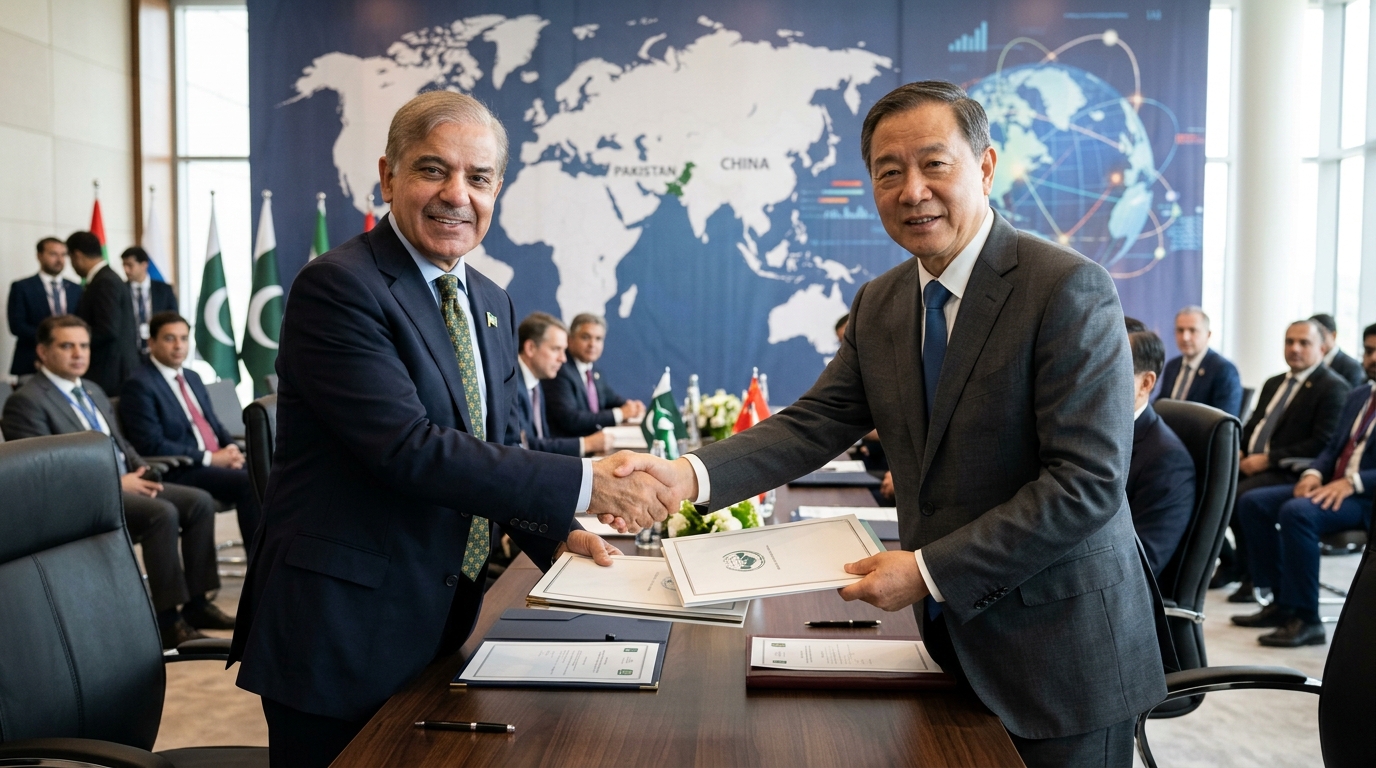
In a move poised to reshape the geopolitical and technological equilibrium of South Asia, Pakistan and Chinese tech titan Alibaba have announced a comprehensive strategic partnership. Signed under the auspices of strengthening the 'Digital Silk Road,' this landmark agreement aims to accelerate the adoption of Artificial Intelligence (AI), expand Cloud services, and fortify the e-commerce ecosystem across the nation.
The Digital Transformation of South Asia
Pakistan, a nation with a population exceeding 240 million and a rapidly growing, tech-savvy youth demographic, has long been considered a 'sleeping giant' in the technology sector. The partnership with Alibaba is more than a mere commercial transaction; it is a structural intervention into the national infrastructure. Alibaba Cloud is set to establish localized data centers, allowing Pakistan to maintain data sovereignty while providing the computational muscle necessary for developing homegrown AI solutions.
Analysts suggest that this move is a cornerstone of Pakistan's broader strategy to pivot away from traditional industries toward a knowledge-based economy. Integrating Alibaba’s technologies into public services and the private sector is expected to streamline operations, reduce bureaucratic friction, and create a more hospitable environment for global investment.
The Geopolitical Chessboard and the Digital Silk Road
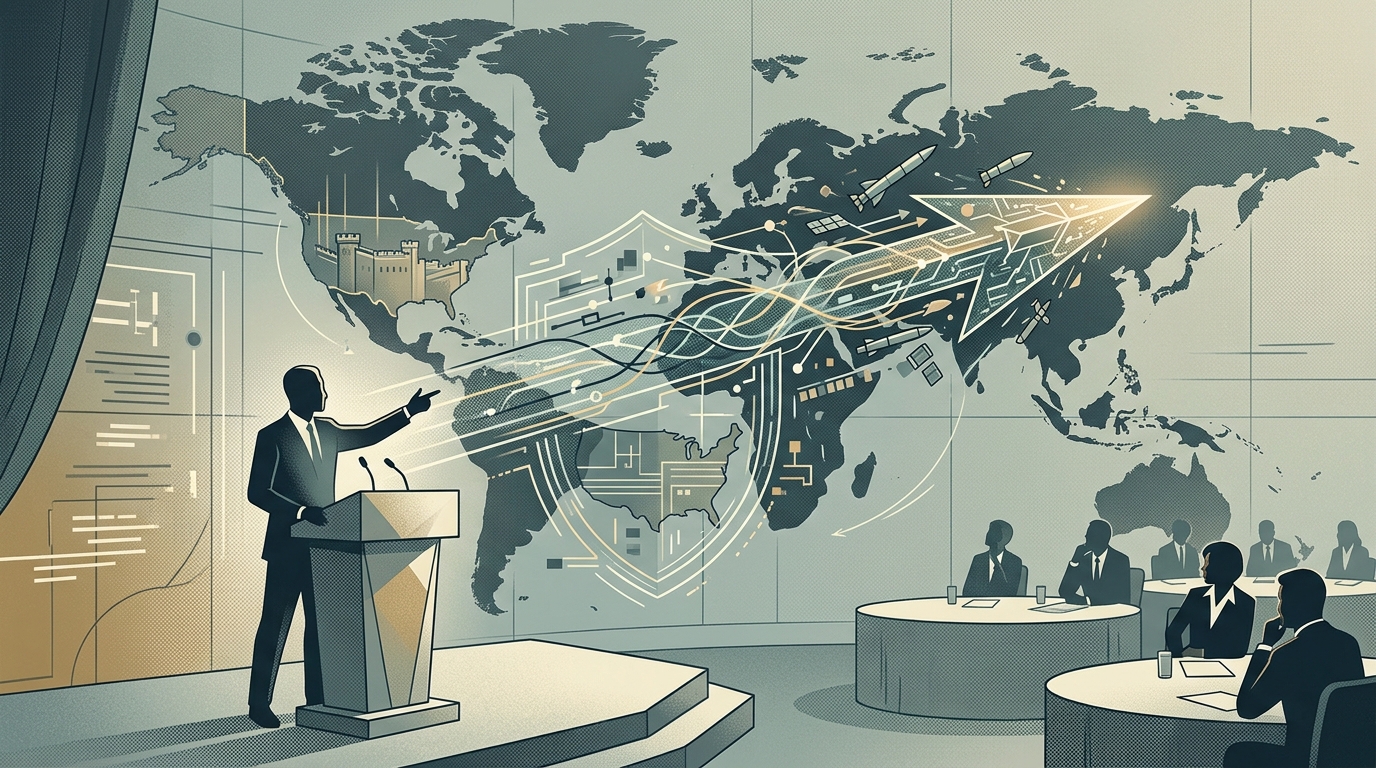
This partnership cannot be viewed in isolation from its geopolitical context. Pakistan is a pivotal partner for China through the China-Pakistan Economic Corridor (CPEC). While the first phase of CPEC focused on physical infrastructure—roads, ports, and energy—'Phase 2.0' is fundamentally about digital connectivity. Alibaba, acting as the technological vanguard of this expansion, offers Islamabad a robust alternative to Western-centric tech stacks.
"Digital sovereignty isn't just about data; it's about a nation's ability to define its destiny in the age of machine intelligence," stated a senior official from Pakistan's Ministry of Information Technology.
However, this deepening relationship has sparked discussions in Western capitals regarding data security and Beijing's growing influence over regional telecommunications. Despite these concerns, the Pakistani government maintains that the partnership is purely developmental, designed to integrate small and medium-sized enterprises (SMEs) into the global marketplace through Alibaba's vast network.
E-Commerce and SME Empowerment
A primary pillar of the agreement is the radical upgrading of Daraz, Alibaba’s subsidiary which already dominates the Pakistani market. By leveraging advanced AI algorithms for supply chain management and customer personalization, Alibaba aims to double transaction volumes within the next three years. This shift will enable thousands of Pakistani producers to export directly to China and other international markets, effectively bypassing traditional middlemen.
Furthermore, the introduction of digital payment systems based on Ant Group’s technology is expected to drive financial inclusion in a country where a significant portion of the population remains unbanked. AI-driven micro-lending could provide a vital lifeline for young entrepreneurs in tech hubs like Karachi and Lahore, fostering a new wave of innovation.
Challenges and the Road Ahead
Despite the prevailing optimism, the path forward is fraught with challenges. Chronic energy shortages in certain regions, a persistent digital skills gap, and the urgent need for a robust legal framework for data protection remain significant hurdles. The ultimate success of this partnership will depend on whether Pakistan can translate high-tech infrastructure into tangible economic value for its average citizen. May 25, 2026, may well be remembered as the day Pakistan chose to bet its future on a digital alliance with the East.