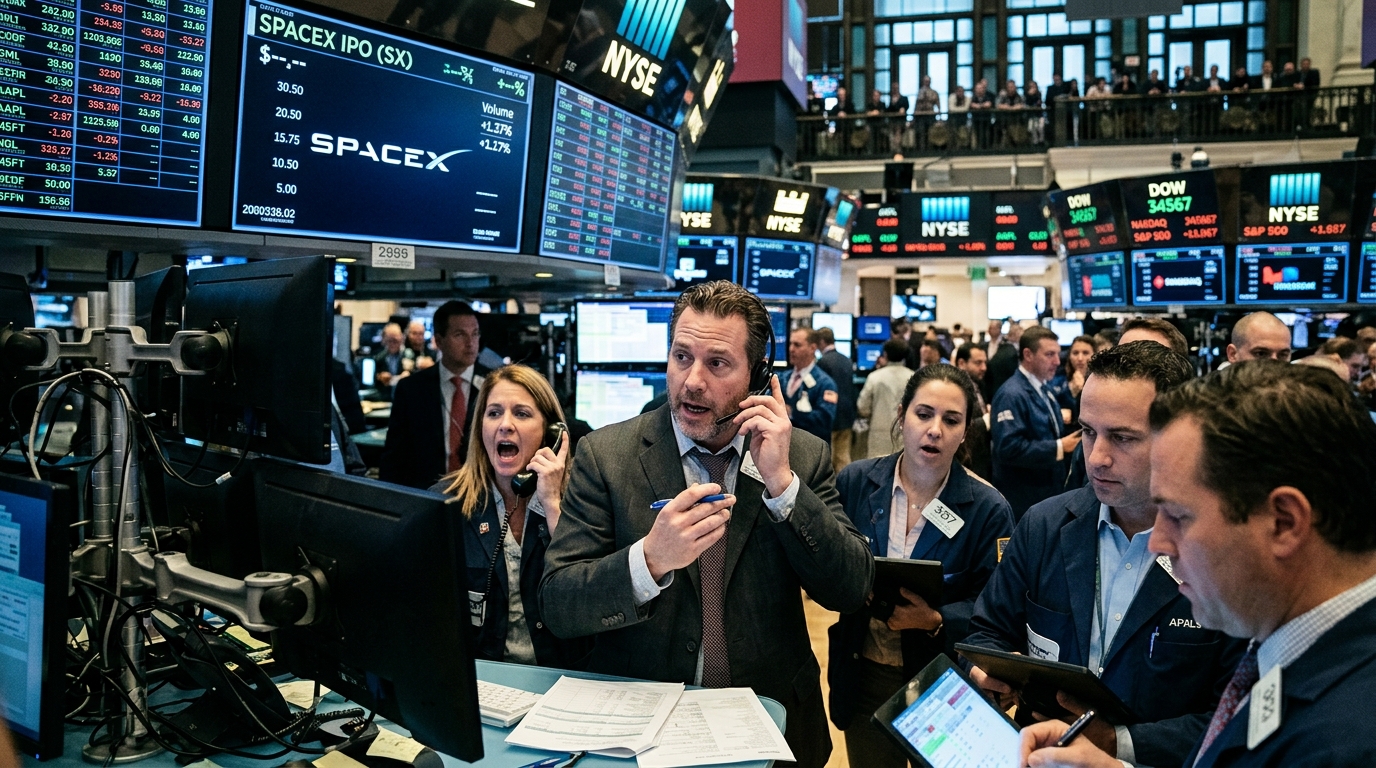
The global AI chessboard is vibrating following recent remarks by Jensen Huang, the formidable leader of Nvidia, who did not hesitate to label the potential convergence of DeepSeek with Huawei’s technology as a "horrible outcome" for the United States. This warning is not merely a corporate concern; it is a profound geopolitical analysis that questions the efficacy of US sanctions and the very structure of Western technological supremacy.
Deconstructing the Doctrine of "Brute Force"
For years, Washington relied on a simple premise: whoever controls the most advanced chips (GPUs) controls the future of AI. Export restrictions on Nvidia to China were designed to keep Beijing "behind" in the arms race. However, the emergence of DeepSeek has fundamentally shifted the paradigm. The Chinese firm proved that algorithmic intelligence can compensate for a lack of cutting-edge hardware.
DeepSeek-V3 and the R1 model managed to match the performance of top-tier models from OpenAI and Google using a fraction of the computing power and cost. This "efficiency miracle" is what haunts Huang. If Chinese developers learn to do more with less, then their dependence on Nvidia’s flagship chips diminishes, and the value of the American embargo effectively evaporates.
The Ghost of Huawei and the Failure of Sanctions
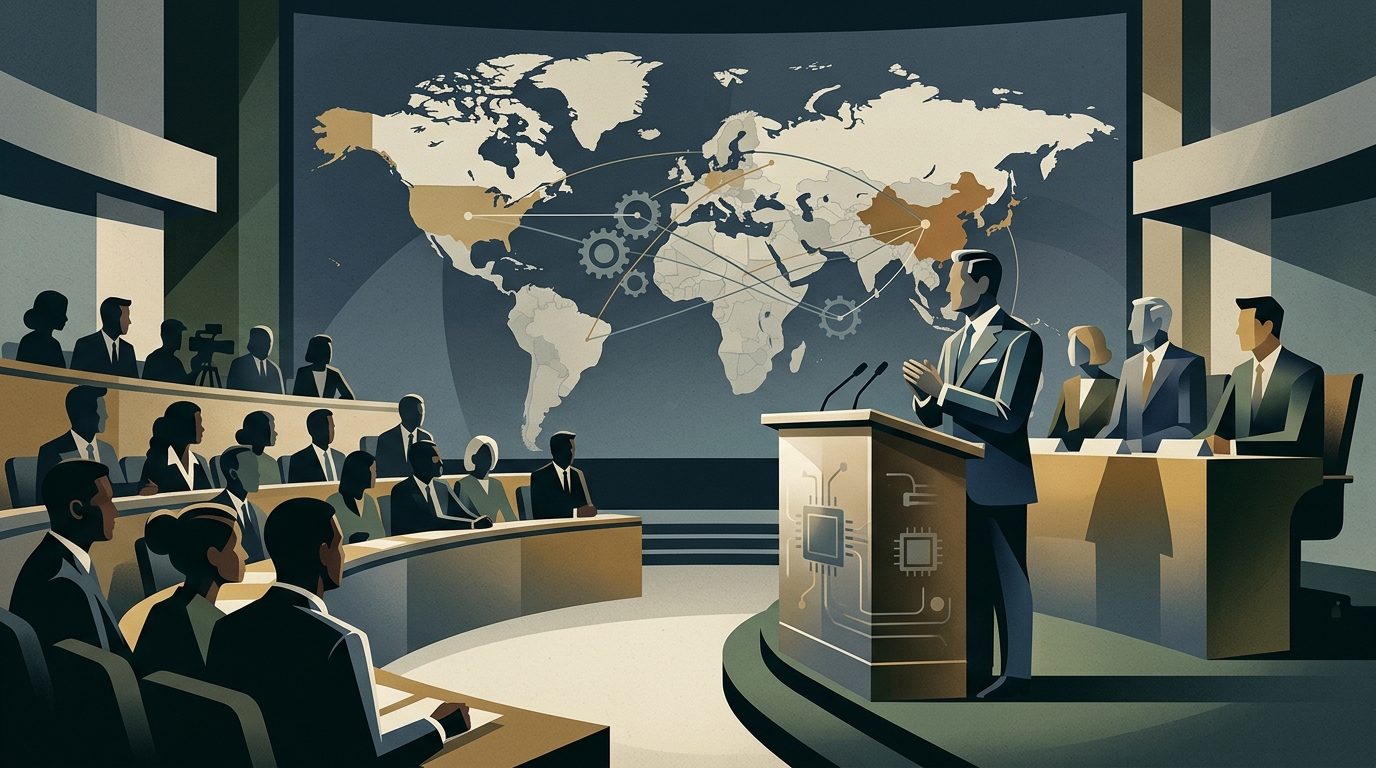
The real problem, according to Huang, arises when this hyper-efficient DeepSeek software is optimized for Huawei’s domestic processors, such as the Ascend 910B. Until recently, Huawei’s hardware was considered inferior, primarily due to software ecosystem hurdles (CUDA vs. CANN). However, DeepSeek has demonstrated an uncanny ability to optimize its code to run on non-Nvidia environments with startling success.
"If DeepSeek runs well on Huawei, it means China now possesses a fully independent, vertical AI ecosystem," market analysts observe. This would signify that the US has lost its primary lever of influence. Instead of stifling Chinese innovation, sanctions may have acted as a catalyst for autonomy. Huang acknowledges that Huawei is a formidable competitor, not necessarily because its chips are faster, but because the necessity of survival is driving China into a technological renaissance that no longer relies on Western crutches.
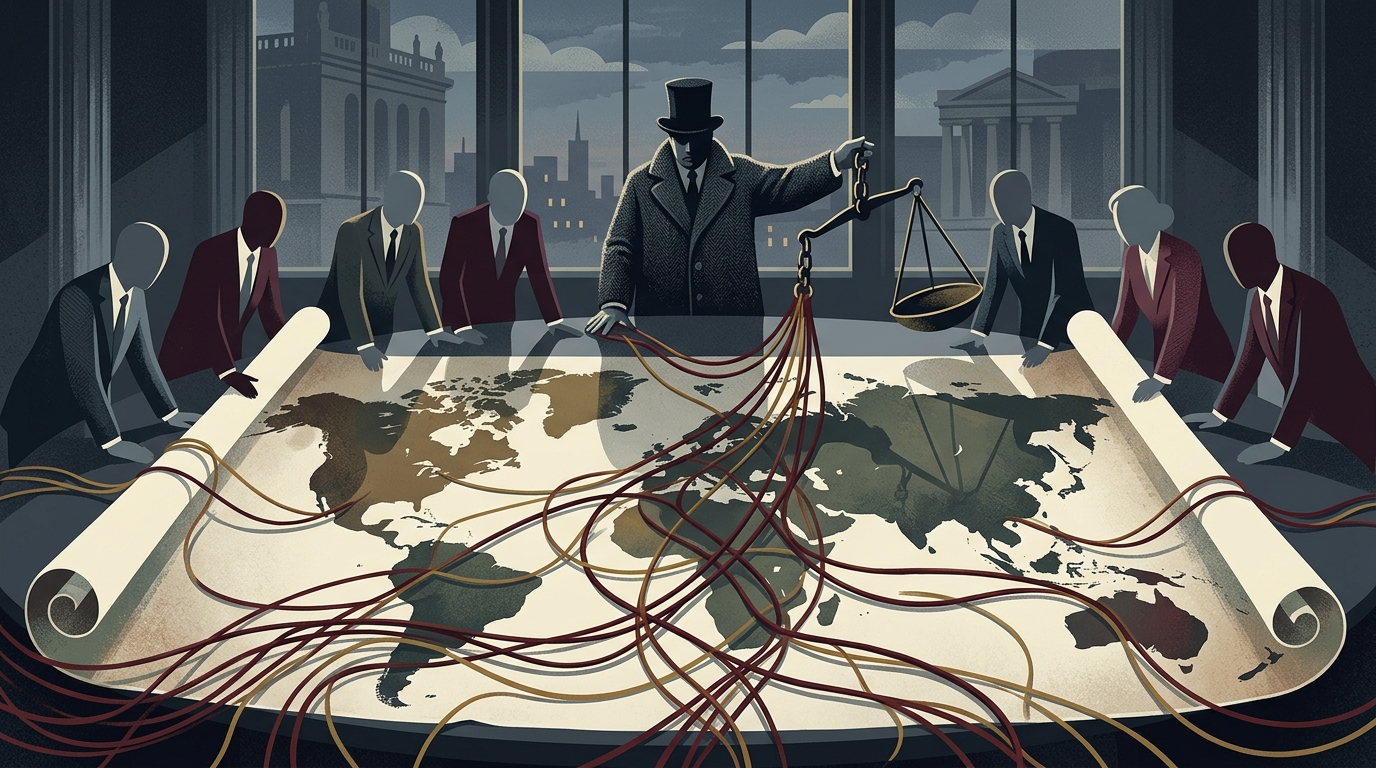
Geopolitical Chessboard: Silicon as the New Oil
The Nvidia CEO’s anxiety reflects a broader unease in Silicon Valley. US strategy was predicated on the idea of a unipolar technological world. Yet, DeepSeek’s rise suggests a multipolar world where innovation can emerge from anywhere, provided there is sufficient mathematical ingenuity. Huang warns that if America continues to bet solely on restrictions, it risks isolation from a massive market and, more importantly, losing touch with new methods of efficient model training.
- Revenue Loss: Nvidia is seeing the Chinese market, which once accounted for 25% of its revenue, slip toward Huawei.
- Technological Divergence: The creation of two separate technological "camps" could lead to incompatible AI standards.
- National Security: A China with full control over its AI hardware and software is far harder to monitor or contain.
"It's not just about the chips. It's about who defines the architecture of 21st-century intelligence," a senior industry executive noted.
Conclusion: The Need for a New Strategy
The "horrible outcome" Huang speaks of is the moment America realizes that the wall it built around China has ultimately left it outside the most significant developments in AI efficiency. DeepSeek is not just a company; it is the symbol of a new era where resourcefulness beats resource abundance. For Nvidia, the challenge is to remain indispensable in a world that has learned to live without it. For the US, the challenge is to understand that hegemony in the AI age is not secured through bans, but by pushing the boundaries of science itself.