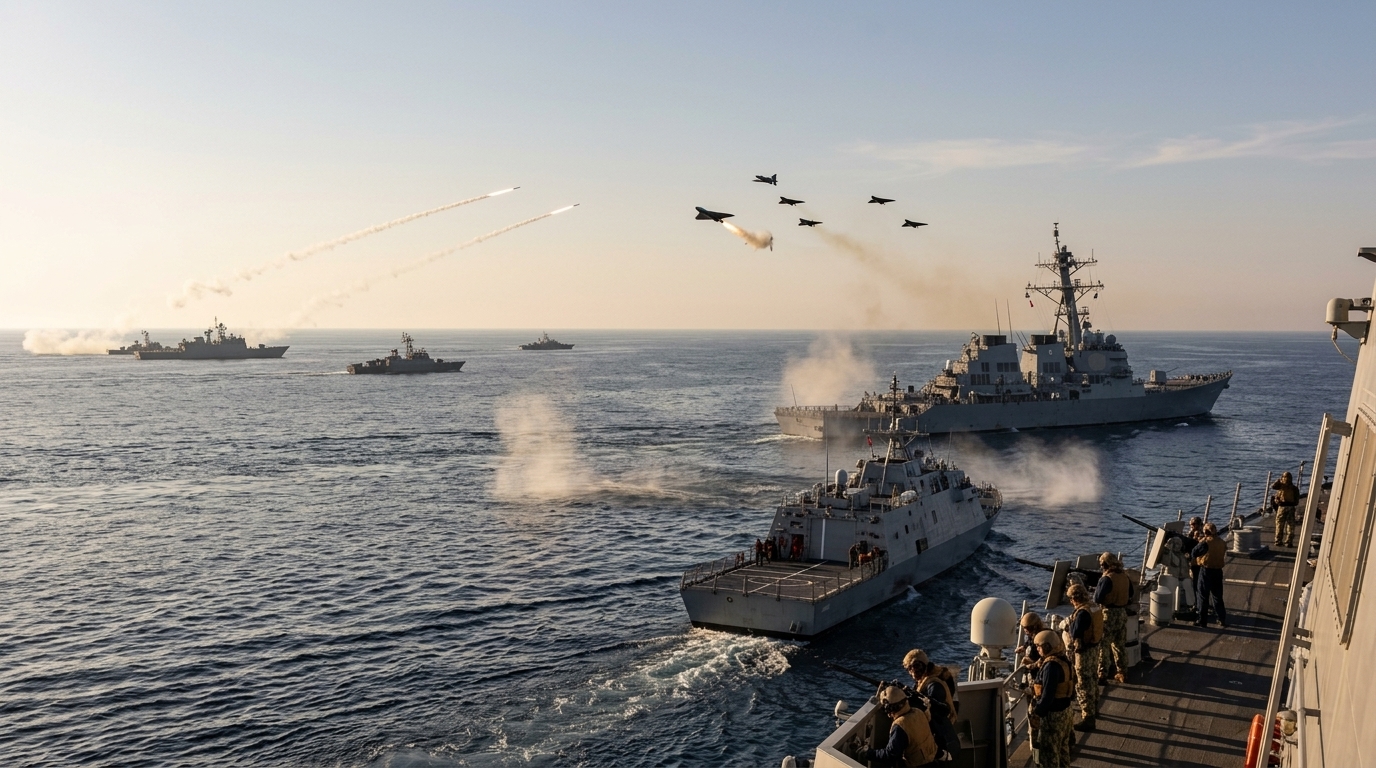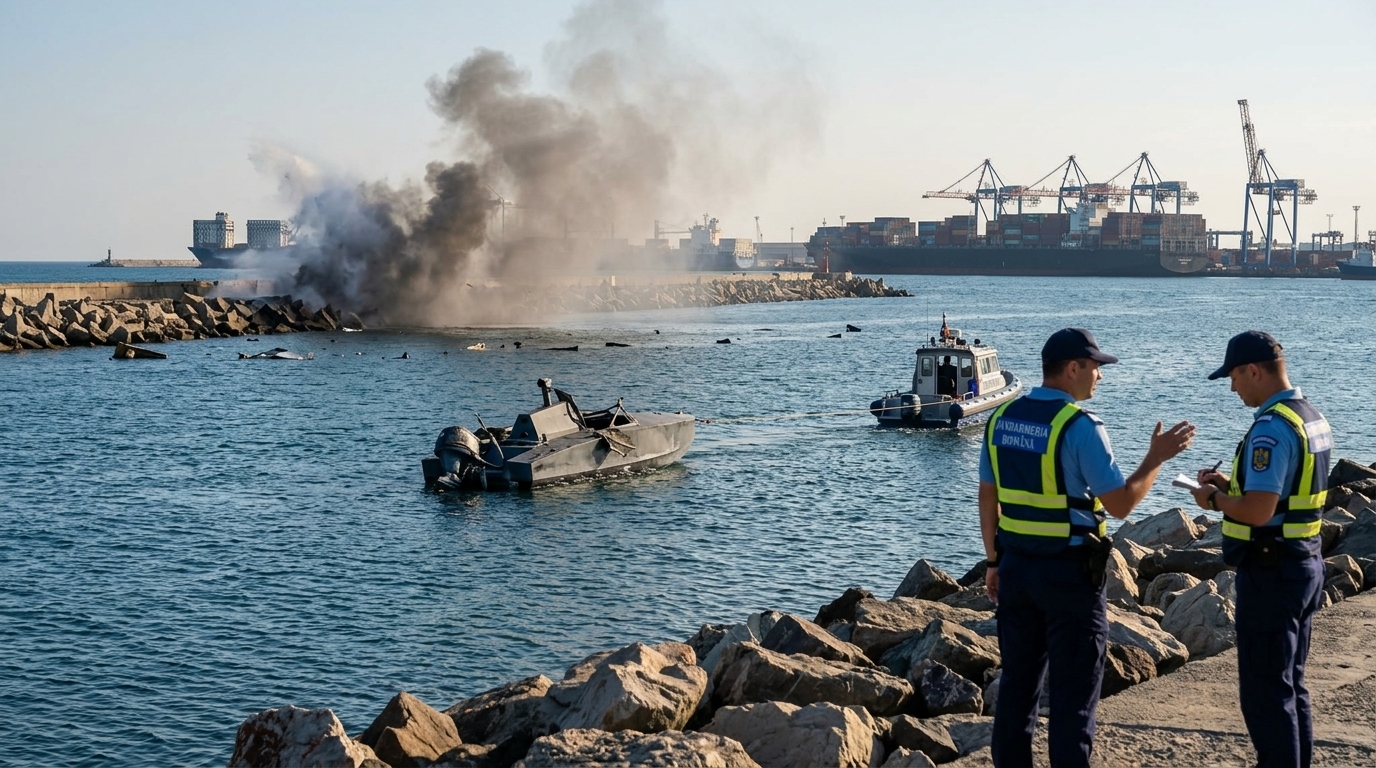
The vision was once crystal clear: the dunes of the Arabian Peninsula were to be transformed into a global digital fortress. Armed with immense oil wealth and a roadmap for a post-hydrocarbon economy, nations like Saudi Arabia and the United Arab Emirates (UAE) sought to become the arbiters of Artificial Intelligence (AI). However, as we navigate through 2026, the harsh reality of geopolitics is colliding with this technological utopia. The ongoing conflict in the Middle East is no longer just a humanitarian tragedy; it has become an insurmountable hurdle for the Gulf’s ambitions.
Digital Sovereignty Under Siege
For Riyadh and Abu Dhabi, AI is not merely an economic sector; it is the ticket to geopolitical survival in the 21st century. Saudi Arabia’s Public Investment Fund (PIF) has committed tens of billions of dollars to developing sovereign large language models (LLMs) and constructing massive data centers. But investment security demands stability. Recent escalations in the region have spiked the "risk premium," making foreign partners increasingly hesitant.
Western Big Tech firms, while attracted to the Gulf’s capital, fear for the physical security of their infrastructure. A data center housing thousands of Nvidia H100 or B200 processors is a high-value target in the event of a regional conflagration. The potential for sabotage of subsea data cables in the Red Sea has already sent shivers through Silicon Valley investment boards.
The Washington Factor and the Chip Dilemma
Beyond bombs and missiles, another war rages in the background: the technological cold war between the US and China. Washington views the Gulf’s close ties with Beijing with suspicion. Export restrictions on advanced semiconductors from the US to the Middle East have tightened, under the justification that this technology could leak to China.
Regional instability provides the US government with a convenient pretext to delay licensing. "Why send our cutting-edge technology to a region that might be on fire in six months?" State Department officials privately muse. This forces Gulf nations into a difficult diplomatic balancing act: proving their loyalty to the West while attempting to maintain strategic autonomy.
- Brain Drain: Top-tier AI researchers prefer the safety of Zurich or Palo Alto over a region under constant threat.
- Supply Chain Disruptions: Turmoil in shipping lanes delays the delivery of critical hardware for data center expansion.
- Energy Reliability: Despite oil abundance, attacks on energy infrastructure threaten the uninterrupted power supply required by AI clusters.
The Economic Cost of Transition
Saudi Arabia, through its Vision 2030 program, bets that AI will contribute 12% of its GDP by the end of the decade. However, analysts warn that if the conflict expands, funds intended for technology will be redirected toward defense and security. We are already seeing a slowdown in the announcement of new partnerships, as tech giant boards adopt a "wait and see" approach.
"Artificial Intelligence needs peace to flourish. You cannot train a model with billions of parameters when missiles are flying overhead," notes a Dubai-based geopolitical analyst.
In conclusion, the Gulf stands at a critical crossroads. It possesses the capital and the political will, but it lacks the most fundamental ingredient for progress: stability. If the Middle East does not find a path toward de-escalation, the dream of the Silicon Sands risks remaining a mirage in the desert—an illusion of digital sovereignty lost in the ashes of war.