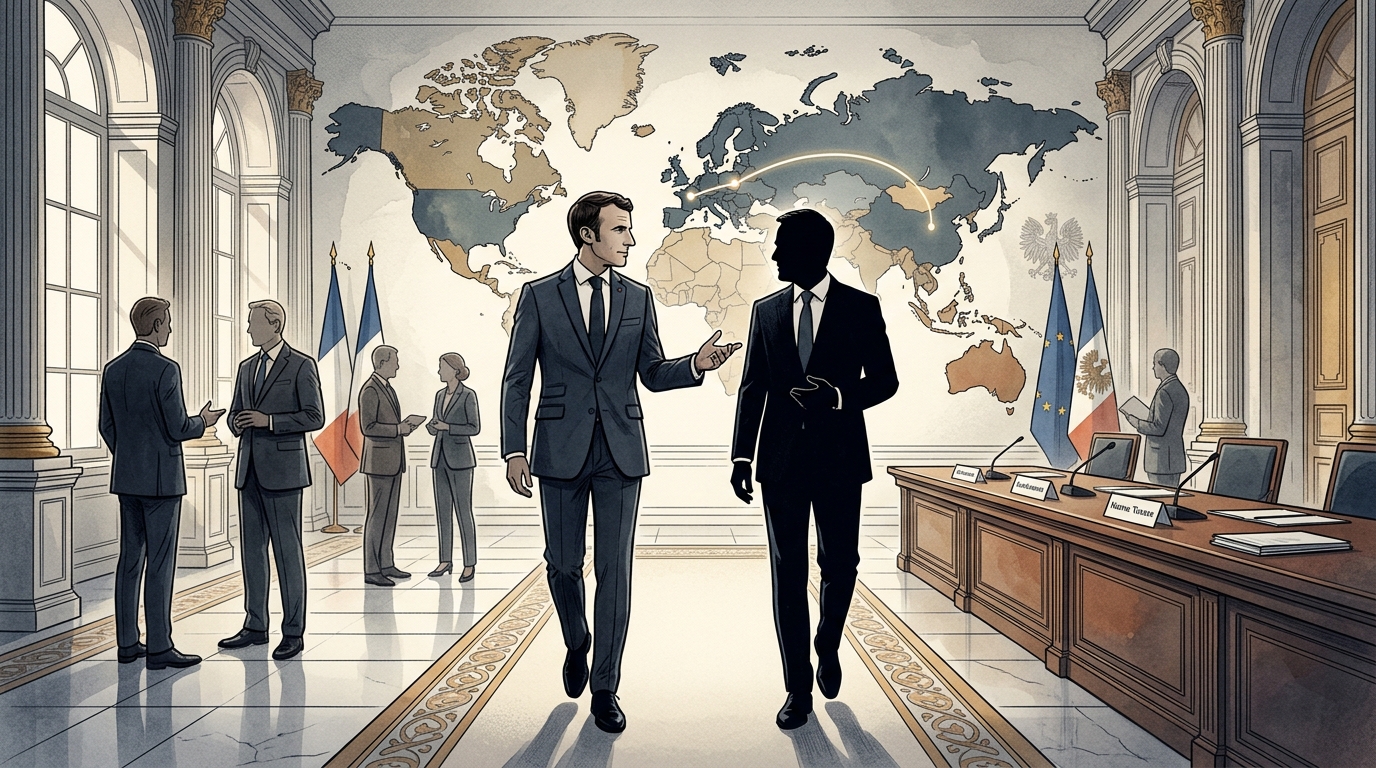
In an era where geopolitical tectonic plates are shifting violently, the recent meeting between Emmanuel Macron and Donald Tusk in Gdańsk was far from a mere diplomatic formality. It was the formal announcement of a strategic convergence that aims to shift the European Union's center of gravity. Against the backdrop of the ongoing war in Ukraine and the uncertainty emanating from the American domestic political scene, Paris and Warsaw appear to be forging a "pact of necessity" that transcends traditional alliances.
Strategic Autonomy Meets the Eastern Flank
For years, Emmanuel Macron's concept of "strategic autonomy" was met with suspicion in Eastern Europe. For Poland and the Baltic states, the idea of a Europe capable of defending itself seemed like a French attempt to undermine NATO and American protection. However, Donald Tusk's return to power and the realization that Washington may not always be the guarantor of last resort have changed the calculus.
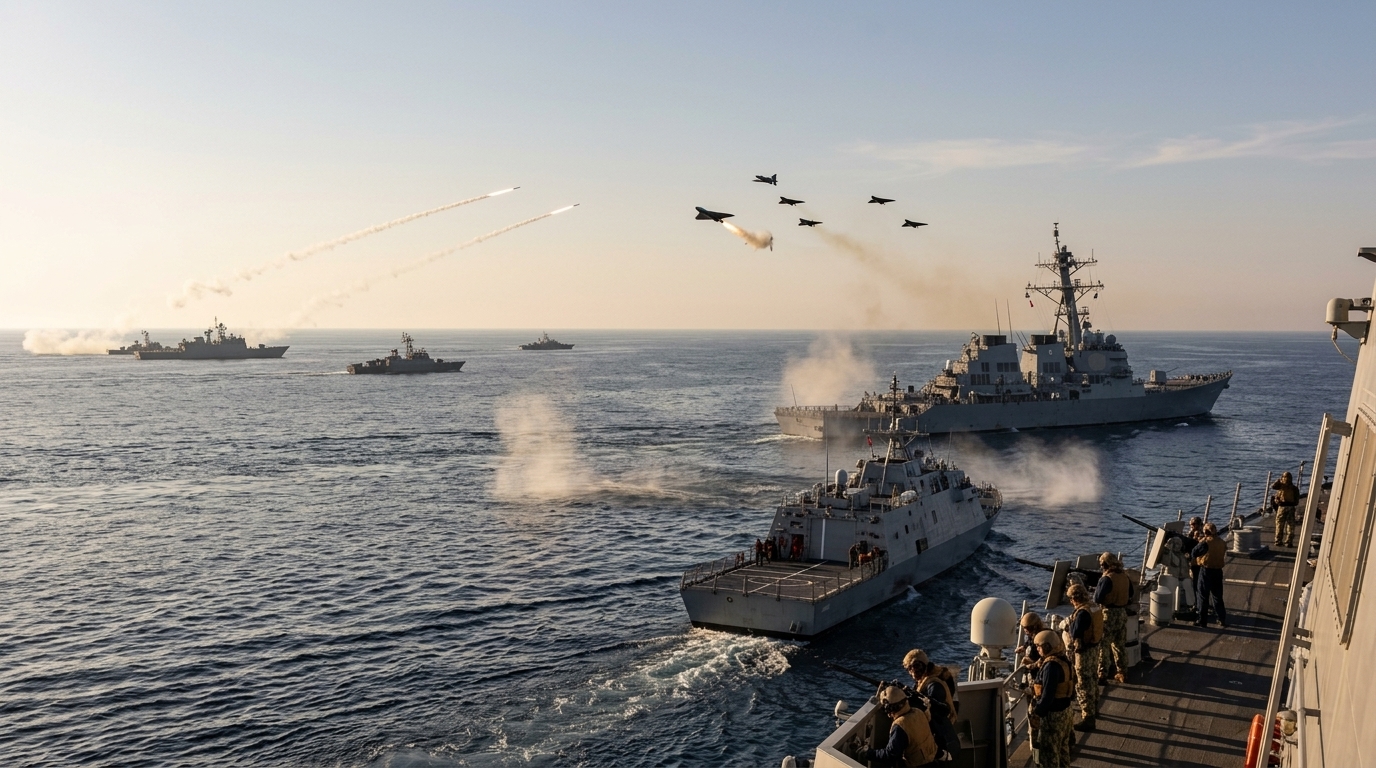
Poland, which today boasts one of the fastest-growing militaries in Europe, no longer views France as a competitor to American influence, but as an essential partner in building a European defense industry. This convergence is based on a simple but harsh admission: Europe must become an "adult" in the realm of security. France offers its nuclear deterrent and defense expertise, while Poland offers its geographical position and unnegotiable resolve against the Russian threat.
Nuclear Energy and Economic Synergy
Beyond tanks and fighter jets, the Macron-Tusk alliance extends into the critical sector of energy. Poland is in the process of a radical transformation of its energy mix, seeking to decouple from coal and Russian gas. France's EDF is in a prime position to undertake the construction of nuclear power plants in Poland, a move that would "lock in" the two economies for decades to come.
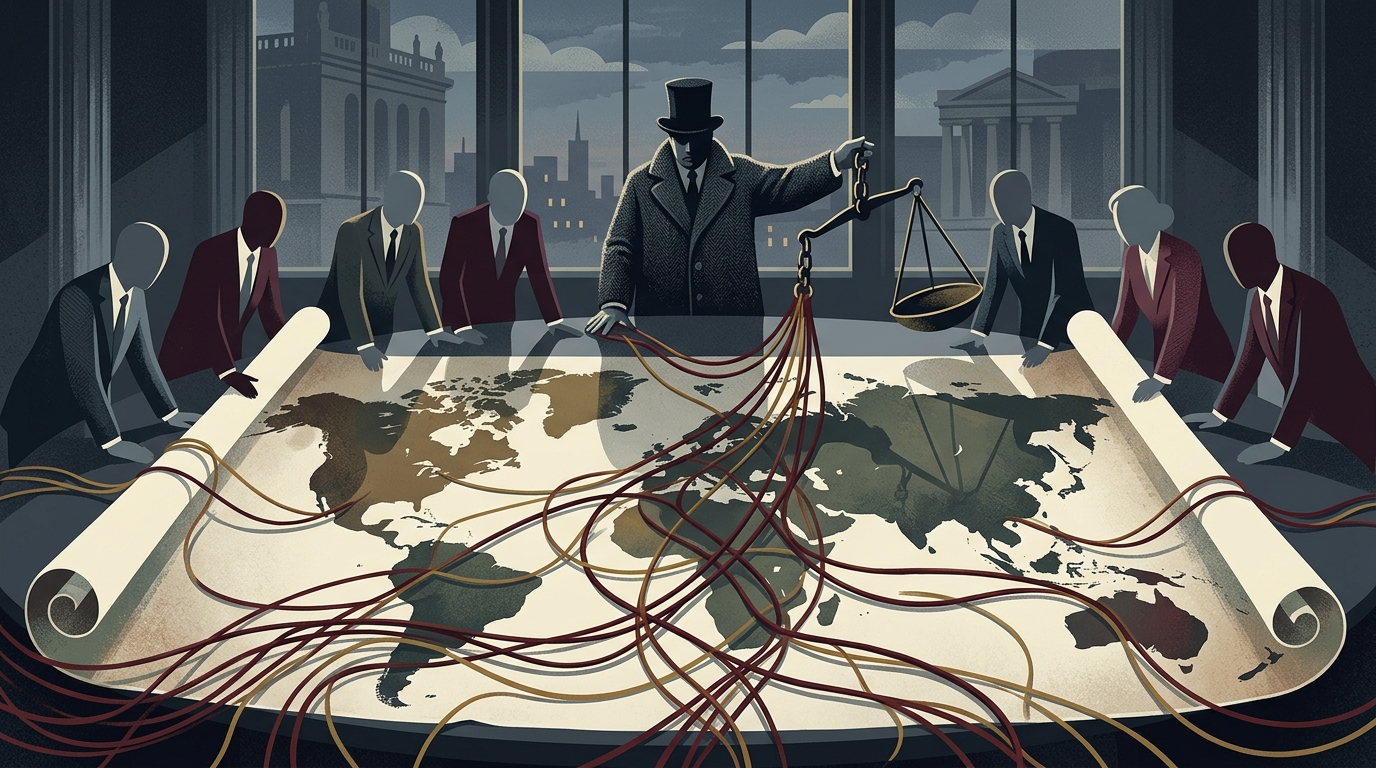
This cooperation also has a deeper political dimension. In Brussels, the Paris-Warsaw axis can serve as a counterweight to German hesitation. While Berlin struggles with its own internal political crises and economic stagnation, Macron and Tusk seem ready to take the reins, promoting an agenda of common debt for defense and the protection of European industry against Chinese competition.
The Russian Challenge and the US Factor
Russia remains the "elephant in the room." For Tusk, Poland's security is an existential issue. For Macron, Russia is a threat that requires a strong, united Europe capable of negotiating from a position of strength. Their common stance on the need for continued and increased support for Ukraine forms the foundation of this new relationship.
At the same time, the shadow of US elections and the possibility of a new period of isolationism from Washington is forcing the two leaders to accelerate. This "new European alliance" is not directed against the US, but is preparing for an era where the US may be less present. As Macron pointedly remarked in Gdańsk, "Europe cannot leave its security to the whims of voters in Wisconsin or Michigan."
Conclusion: A New Balance of Power
The emergence of this axis marks the end of the era where France and Germany were the only real players in the EU. Tusk's Poland is no longer the "troublemaker" of Europe, but one of the architects of its new structure. If this alliance stands the test of time, it could form the basis for a truly sovereign Europe, capable of protecting its borders and interests in a multipolar world. The stakes are high, but the alternative of geopolitical insignificance seems to have frightened Paris and Warsaw enough to set aside past differences.