In the heart of the Arizona desert, where the roar of Pratt & Whitney F135 engines tears through the sky, a quiet but cosmic revolution is taking place. Luke Air Force Base (Luke AFB), traditionally known as the "Home of the Fighter Pilot," is now evolving into the central pillar of the U.S. Air Force's (USAF) effort to integrate Artificial Intelligence (AI) into every facet of its operations. This is not merely a software upgrade; it is a radical shift in the doctrine of warfare, where the speed of data processing will now dictate survival on the battlefield.
Transitioning from Hardware to Software: The New Era of Training
For decades, air superiority was predicated on aircraft performance and pilot skill. Today, Luke AFB is leading a pivot toward "digital dominance." Through the 56th Fighter Wing’s initiatives, the base is testing how AI can enhance pilot training for the F-35 Lightning II and F-16 Fighting Falcon. The use of Live, Virtual, and Constructive (LVC) systems allows pilots to train in environments where virtual adversaries, controlled by sophisticated algorithms, exhibit behaviors that evolve and adapt to the trainee's maneuvers.
This integration extends beyond simulation. AI is being utilized to analyze massive amounts of telemetry data from every flight, allowing instructors to identify microscopic errors or behavioral patterns that the human eye might overlook. The goal is to create an "intelligent" feedback system that reduces training time while exponentially increasing pilot readiness for the challenges of modern aerial combat.
Collaborative Combat Aircraft (CCA) and the Role of the "Digital Wingman"
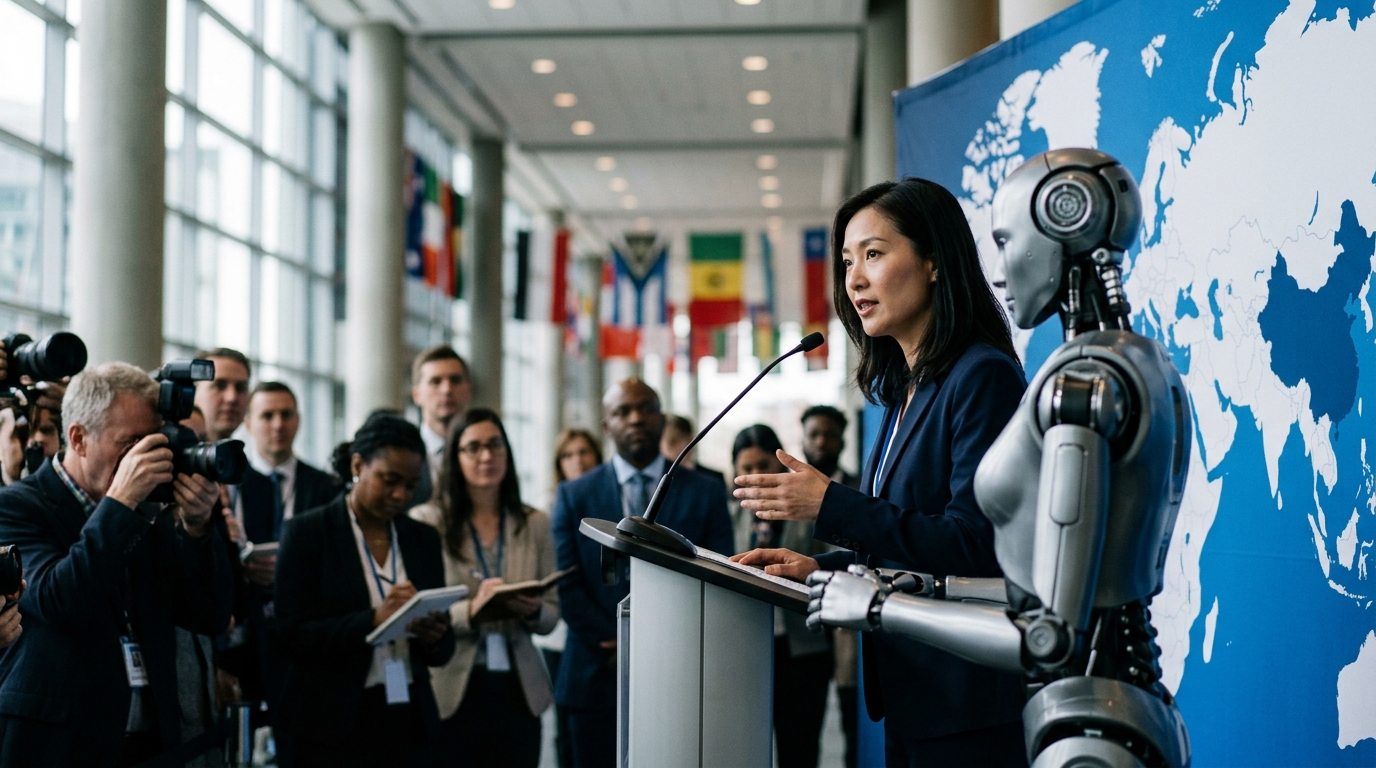
One of the most ambitious aspects of the strategy being shaped at Luke AFB is the preparation for Collaborative Combat Aircraft (CCA). These are autonomous drones that will fly alongside manned fighters, acting as force multipliers. The AI within these aircraft will take on roles such as reconnaissance, electronic jamming, or even target engagement, allowing the F-35 pilot to function more as a "battle manager" than a mere operator.
The challenge facing commanders at Luke is building trust between man and machine. AI must be predictable and reliable under conditions of extreme stress. "We don't just want an autopilot; we want a partner that can perceive the tactical environment with the same acuity as a seasoned aviator," base sources suggest. This requires the creation of new human-machine interfaces (HMI) that do not overwhelm the pilot with information but offer the right solution at the exact moment it is needed.
Geopolitical Implications and the Race with China
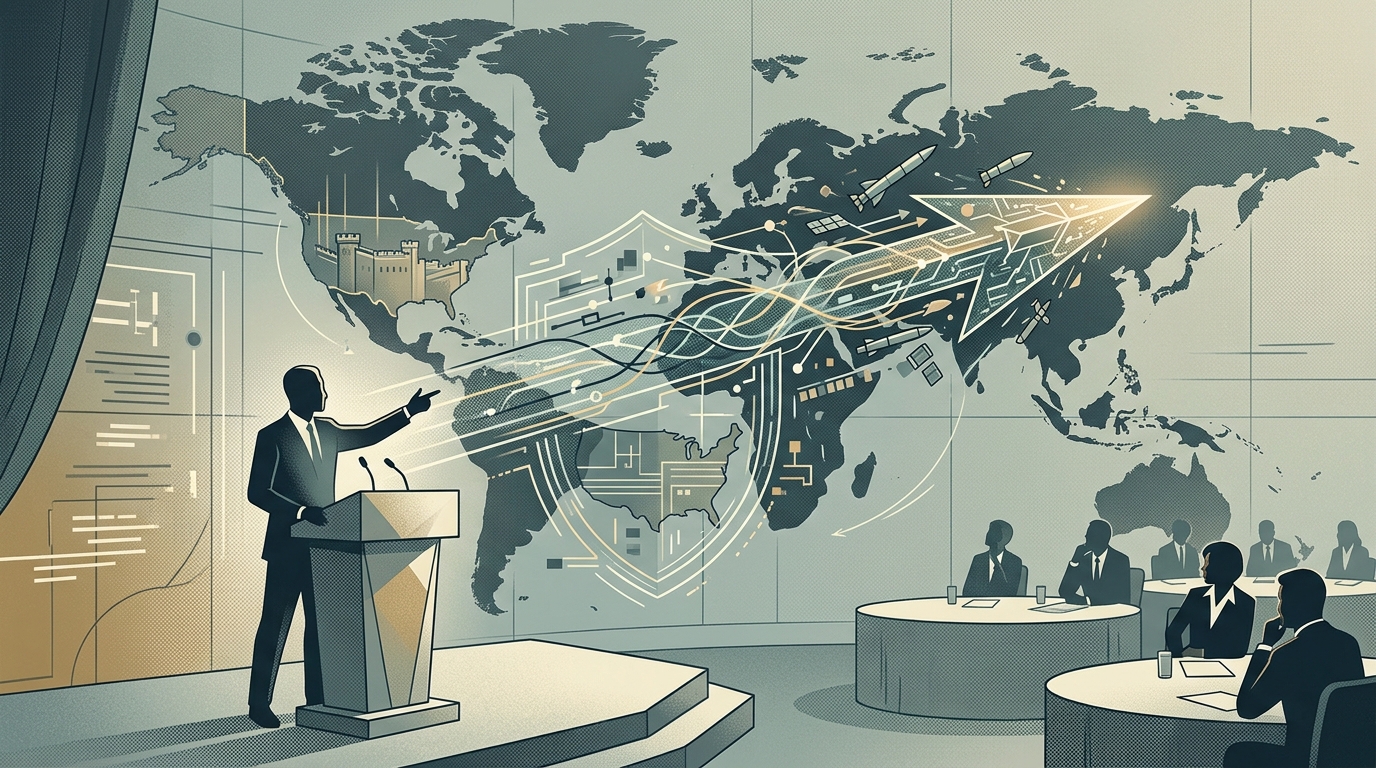
The urgency with which the USAF is pushing AI at Luke AFB is no coincidence. Within the context of Great Power Competition, China is investing billions in similar technologies, seeking to neutralize the U.S. advantage in traditional domains of power. AI is viewed as the "offset"—the technology that will allow the U.S. to maintain its deterrent power despite the growing size of the Chinese arsenal.
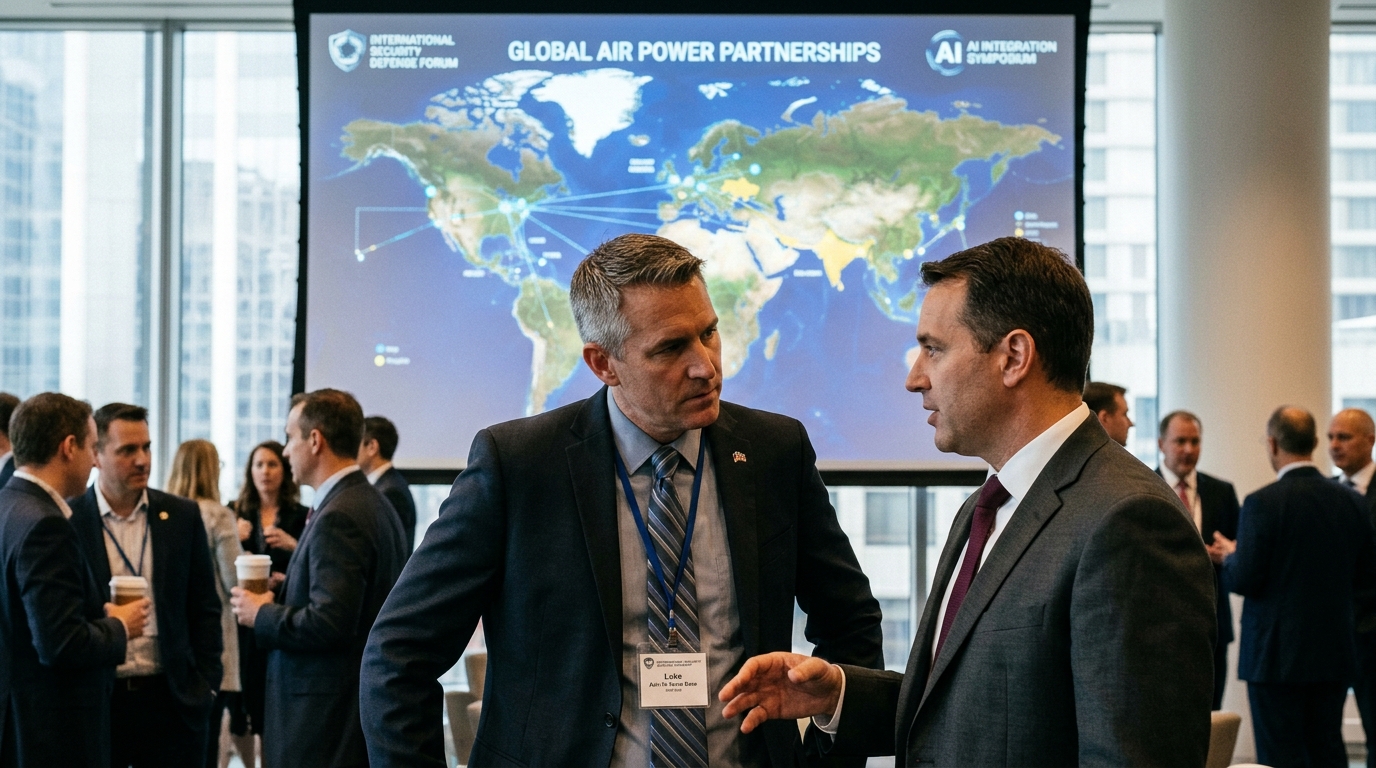
Luke AFB serves as the testing ground for how these technologies will be exported to NATO allies. As many nations procure the F-35, the training methods and algorithms developed in Arizona will become the standard for Western air power in the 21st century. The ability for interoperability through shared digital architectures is now as vital as sharing fuel or munitions.
Ethics and the Future of Autonomy
Despite the enthusiasm, AI integration raises serious questions. Luke AFB leadership frequently emphasizes the importance of the "human-in-the-loop." However, at the speed of hypersonic warfare, the window for human intervention shrinks to milliseconds. Ethical concerns regarding the delegation of lethal force to algorithms remain at the forefront, with the USAF insisting that AI will be used to augment human judgment, not replace it.
In conclusion, Luke Air Force Base is no longer just training pilots; it is training the future of combat intelligence itself. The success of this endeavor will determine whether air superiority remains an American asset or if the global balance of power will be overturned by lines of code.