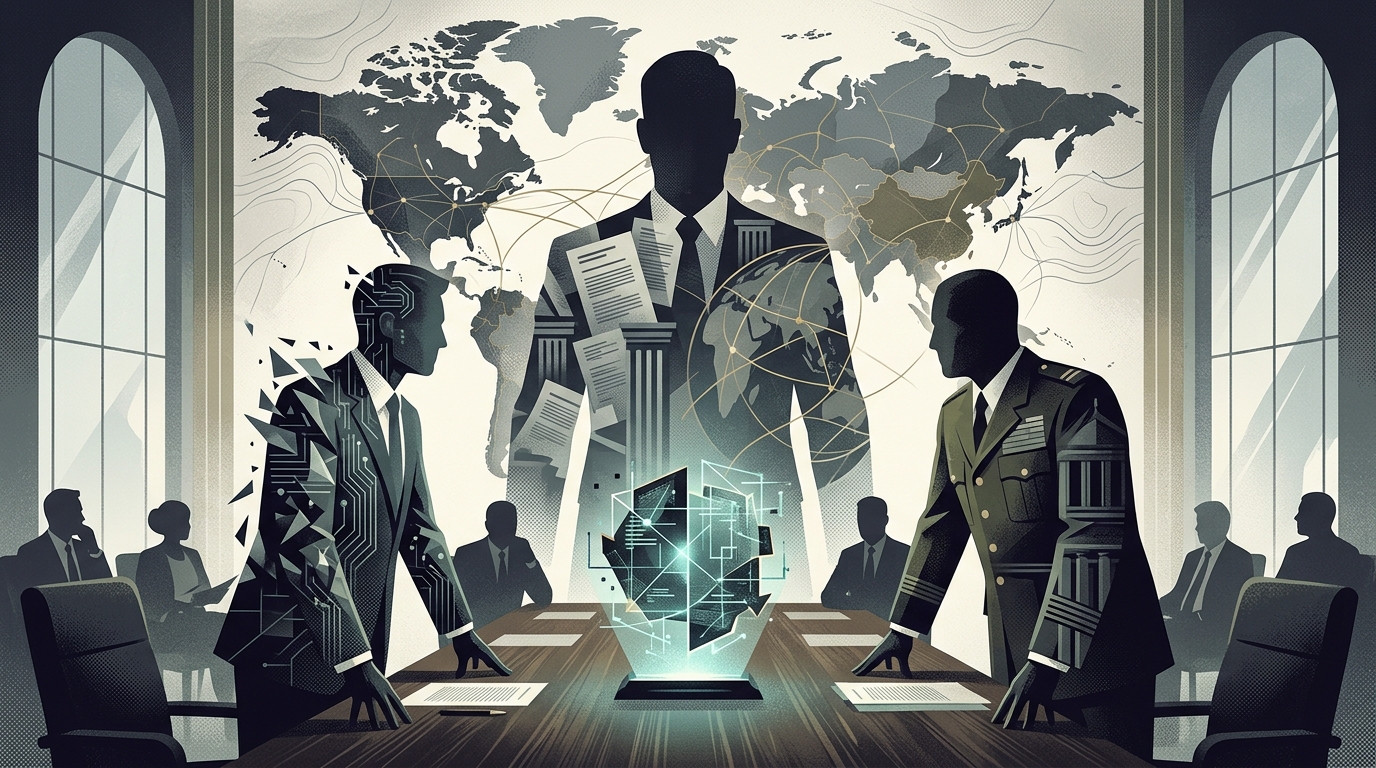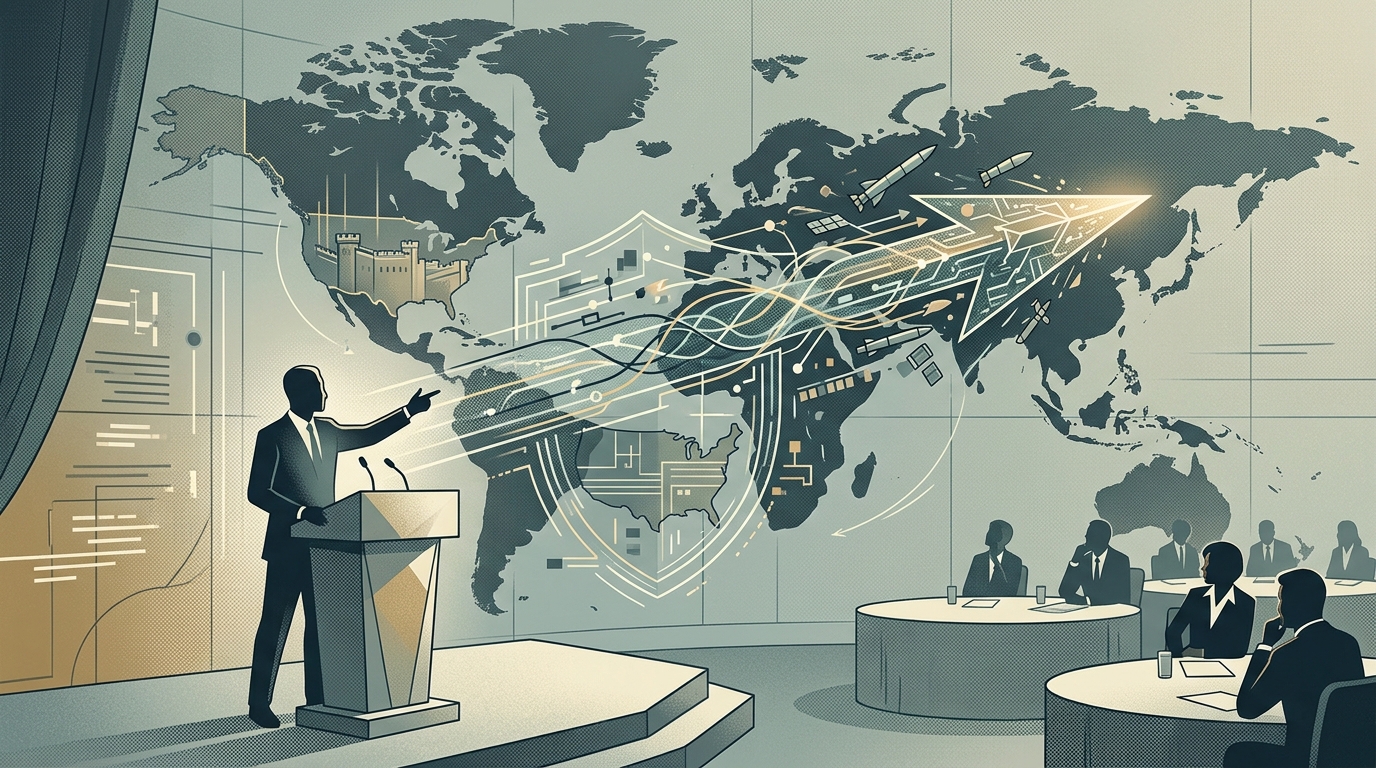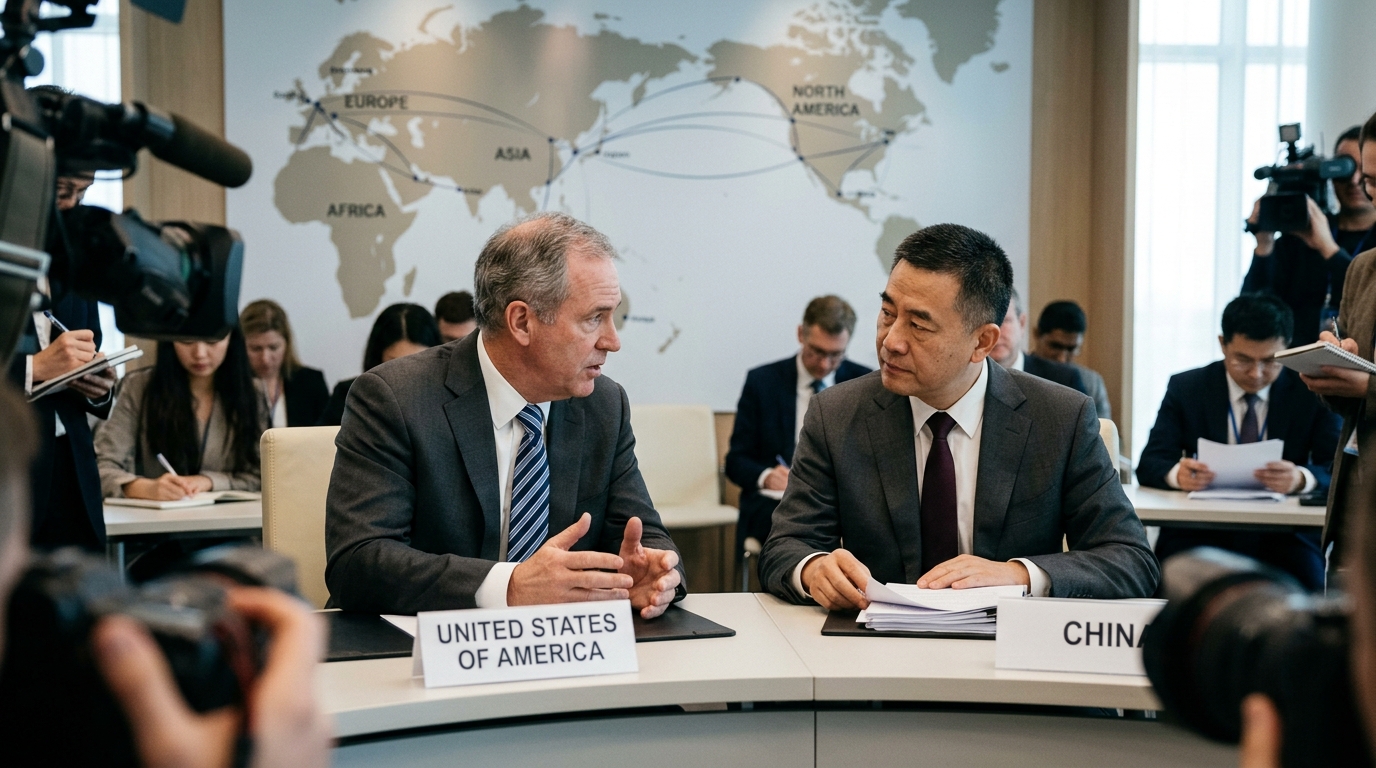
As we navigate the first half of 2026, the global geopolitical chessboard is no longer defined by nuclear arsenals or oil reserves, but by tokens and flops. The confrontation between the United States and China for AI supremacy has entered a new, more complex phase, where the two nations pursue radically different strategies, reflecting their deep ideological and societal differences.
The American Model: Private Capital and Innovation
In the US, AI development remains largely in the hands of the private sector. Companies such as OpenAI, Microsoft, Google, and Anthropic continue to lead the race in Large Language Models (LLMs). The American approach is built on the belief that free-market competition and attracting top global talent will yield the most advanced algorithms.
However, Washington has begun to intervene more forcefully. Following the passage of stricter AI safety regulations in 2025, the US government now treats this technology as a critical national resource. The US strategy focuses on controlling the semiconductor supply chain, imposing rigorous export restrictions on high-end chips to China in an attempt to slow Beijing's progress in training next-generation models.
"Artificial Intelligence is the new 'Manhattan Project', with the difference that this time it is being conducted in public view and with the participation of the world's largest corporations," says an analyst from the Brookings Institution.
The Chinese Approach: State Guidance and Social Control
In contrast, China views AI as a tool for state power and social stability. Beijing, under the guidance of the Chinese Communist Party, has integrated AI into its national "Made in China 2025" plan and beyond. The Chinese strategy emphasizes the application of AI in industrial production, smart manufacturing, and, most notably, surveillance.
While the US dominates in consumer generative AI, China is investing heavily in "vertical" AI—applications that optimize port infrastructure, power grids, and autonomous driving in controlled environments. Simultaneously, the Great Firewall is now expanding to AI models, as Beijing requires algorithms to align with "socialist values," thereby limiting content generation freedom but strengthening information control.
The Friction Point: Semiconductor Geopolitics
The biggest hurdle for China remains access to advanced hardware. Despite massive investments in domestic firms like SMIC and Huawei, China still lags at least two generations behind TSMC and Nvidia. This "hardware gap" is forcing Chinese researchers to become more resourceful in programming, developing models that require less computational power.
On the other hand, the US faces the problem of internal polarization. The debate over whether AI should be open source or closed source has created a rift between Silicon Valley and Washington. Proponents of open source argue it is the only way to maintain democratic access to technology, while critics fear it provides a "free lunch" to adversaries in Beijing.
Conclusion: A Bipolar Digital World?
This evolution is leading toward a "Digital Cold War." The world risks splitting into two spheres of influence: one based on the American free-market model (with its own challenges regarding privacy and monopolies) and one based on the Chinese state-surveillance model. Countries in the Global South find themselves in the middle, trying to balance between American technology and Chinese infrastructure.
The question that remains unanswered in 2026 is not just who will have the most powerful AI, but which model will prove more sustainable for human society. Supremacy will not be judged solely by processor speed, but by the ability of these systems to solve real-world problems without sacrificing the fundamental values of their creators.