In a pivotal moment for Middle Eastern stability, the diplomatic chessboard is intensifying as Iran submits a revised proposal to the United States. This move, relayed through the Pakistani government, comes at a time when the region is balancing on a knife's edge, with ongoing conflicts threatening to escalate into a full-scale regional conflagration. The phrase "we don't have much time," accompanying the proposal, is not merely rhetorical flourish but a stark warning about the fragile state of affairs on the ground.
Pakistan's Role as a Communications Conduit
Pakistan, a nation with traditionally complex relations with both Tehran and Washington, is once again stepping into the role of mediator. According to sources in Islamabad, Iran's revised proposal includes specific steps for de-escalating tensions, not just on the Gaza and Lebanon fronts, but also in the broader Red Sea region. The choice of Pakistan as a messenger highlights Tehran's need to utilize a channel that maintains relative neutrality, avoiding the West's closer regional allies who might be perceived as biased.
- An attempt to re-engage with the West under the weight of crippling sanctions.
- The need to stabilize fronts where Iranian proxies are heavily involved.
- Pressure from Iranian domestic public opinion for economic relief.
- A reaction to shifting power balances following recent military developments.
The Proposal's Content and Persistent Hurdles
While the specifics of the proposal remain largely classified, analysts suggest that Iran is offering a phased withdrawal of support for certain militant groups in exchange for the easing of economic sanctions and guarantees against Israeli operations on Iranian soil. However, the overarching question remains the credibility of these commitments. Washington appears skeptical, as past initiatives have often been viewed as tactics by Tehran to buy time and reorganize its strategic assets.
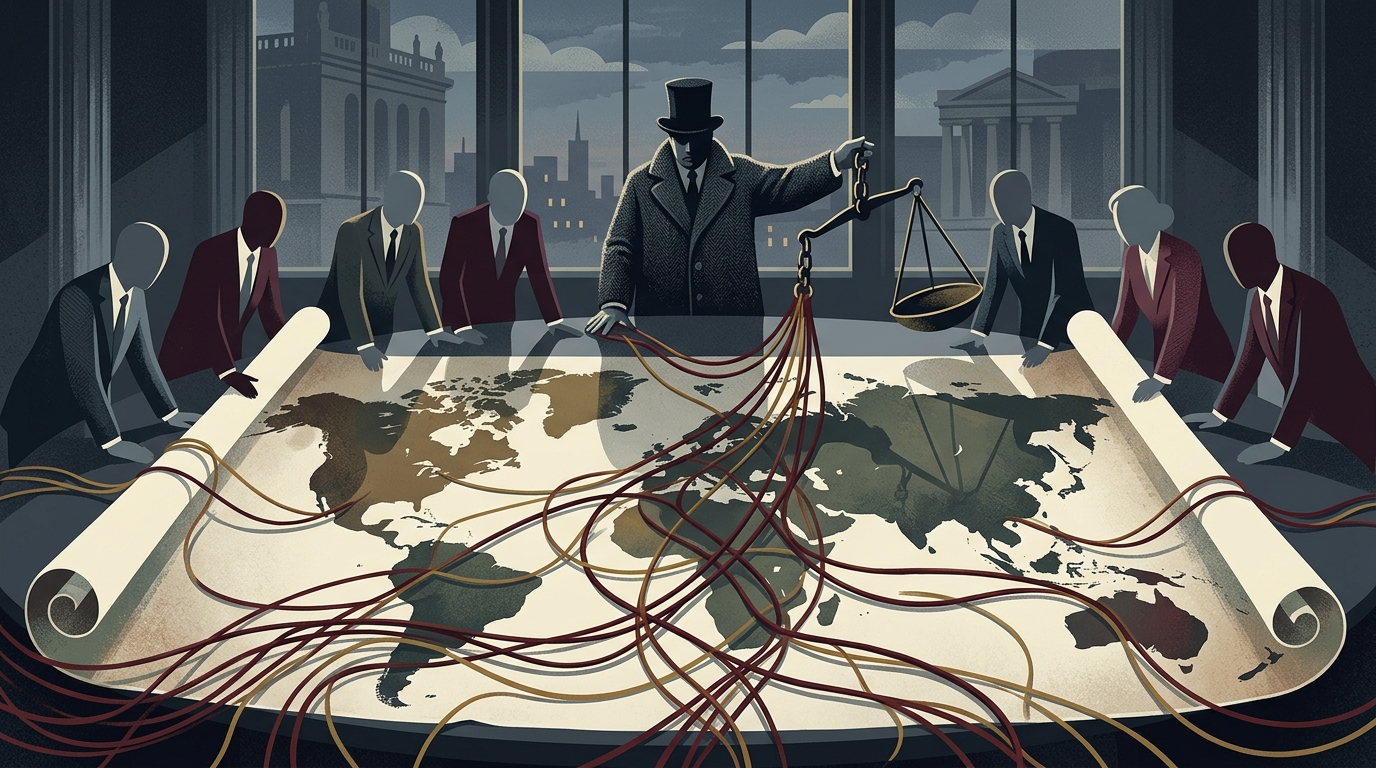
"Diplomacy is the art of letting someone else have your way. In Iran's case, this art is being tested at the very limits of regime survival."
The Strategic Significance of the Ticking Clock
The warning that time is running out reflects Tehran's anxiety over a potential escalation that could drag Iran into a direct war with Israel or the United States. With its economy at a breaking point and social unrest simmering beneath the surface, the Iranian leadership is searching for an "honorable" exit that allows it to maintain regional influence while avoiding total destruction. Washington, for its part, must balance the desire for peace with the necessity of not appearing weak against a long-standing adversary.
Conclusions and Future Outlook
The next move belongs to the White House. Accepting the proposal could signal the beginning of a new era for the Middle East, while rejecting it might open the door to an unprecedented conflict. The international community watches with bated breath, knowing that in this geopolitical game, the slightest misunderstanding can be fatal. Pakistan remains ready for further consultations, but the substance of the deal will ultimately be decided in the direct, albeit unofficial, communications between the two great rivals.