The global economy is once again facing the specter of geopolitical instability in the Middle East, as the escalation of the conflict in Iran begins to leave an indelible and extremely costly mark on international business. According to recent analyses and data, the cost to businesses worldwide has already exceeded the staggering sum of $25 billion, severely impacting the energy, transport, and supply chain sectors.
The situation, unfolding rapidly in mid-2026, is not merely a regional crisis but a systemic threat to global stability. Energy markets, which traditionally react with volatility to any disturbance in the Persian Gulf, are experiencing a period of extreme fluctuations, with oil prices incorporating a significant "risk premium" that ultimately burdens the end consumer and energy-intensive industries.
The Energy Shock and the Threat to the Strait of Hormuz
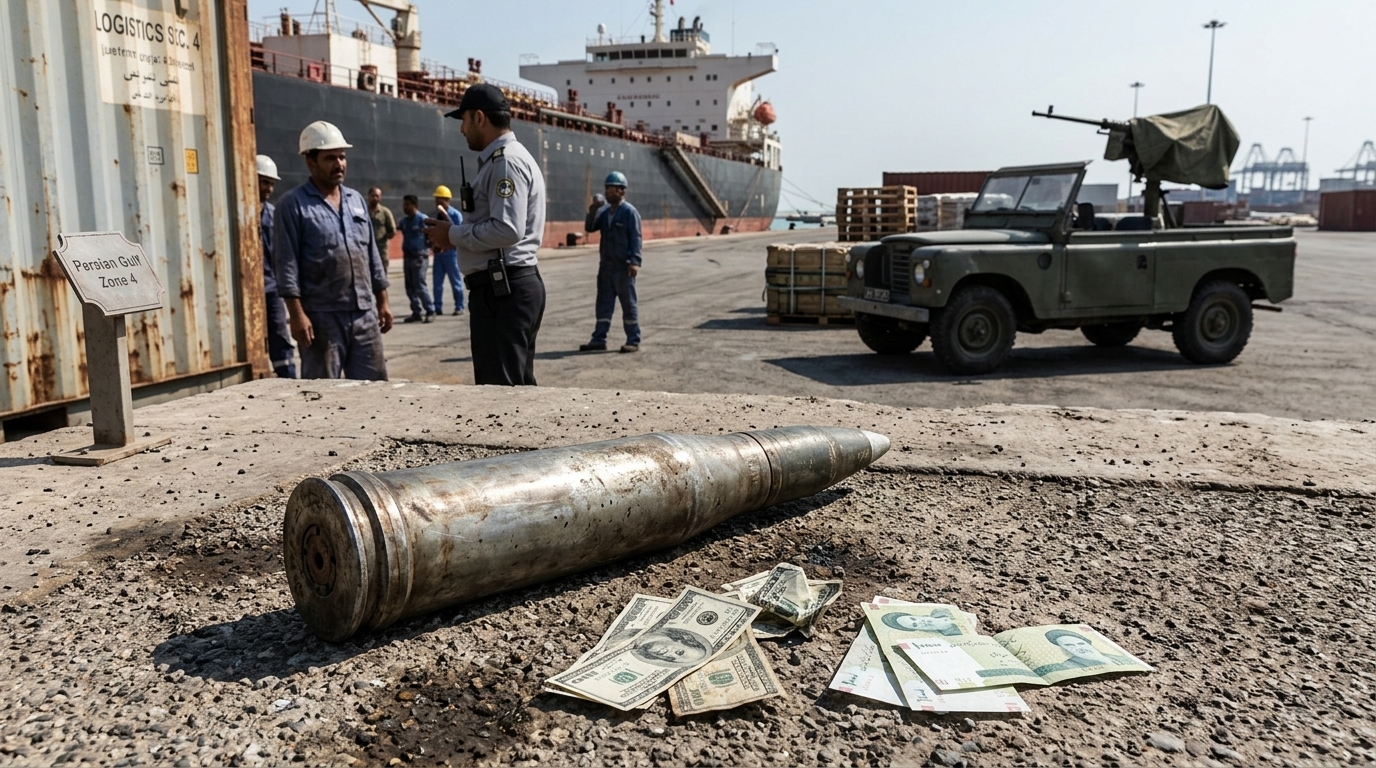
The heart of the problem lies in the strategic importance of Iran and the surrounding maritime routes. The Strait of Hormuz, through which one-fifth of global oil consumption passes, has been transformed into a "high-risk zone." Threats to close the strait or the harassment of tankers have driven war risk insurance premiums to record highs, increasing the cost of transporting crude oil by 40% in just a few weeks.
Energy giants are being forced to revise their investment plans, as uncertainty makes long-term planning impossible. Meanwhile, Europe, still trying to find its balance after the energy crises of previous years, finds itself on the defensive once again. Dependence on natural gas from the region and the potential disruption of flows create an explosive cocktail of inflationary pressures that threatens to derail the Eurozone's fragile growth.
- Increased production costs for industries due to more expensive energy.
- Delays in the delivery of Liquefied Natural Gas (LNG).
- A forced shift to more expensive alternative energy sources from North America.
Supply Chain: The Domino Effect of Delays
Beyond energy, the transport and logistics sector is taking the hardest hit. Shipping companies, in order to protect their crews and vessels, are now choosing longer and more expensive routes, bypassing danger zones. This translates into increased fuel consumption, longer delivery times, and ultimately, shortages of essential goods.
"This is not just an increase in fuel costs. It is a complete reorganization of global trade routes that were built for efficiency, not security," says a leading transport analyst.
Retail and technology companies, relying on the "just-in-time" model, are seeing their inventories depleted, while container costs have doubled on certain routes from Asia to Europe. The $25 billion figure cited includes not only direct damages from infrastructure destruction but also indirect losses from reduced consumption and increased operational expenses.
Geopolitical Implications and the Road Ahead
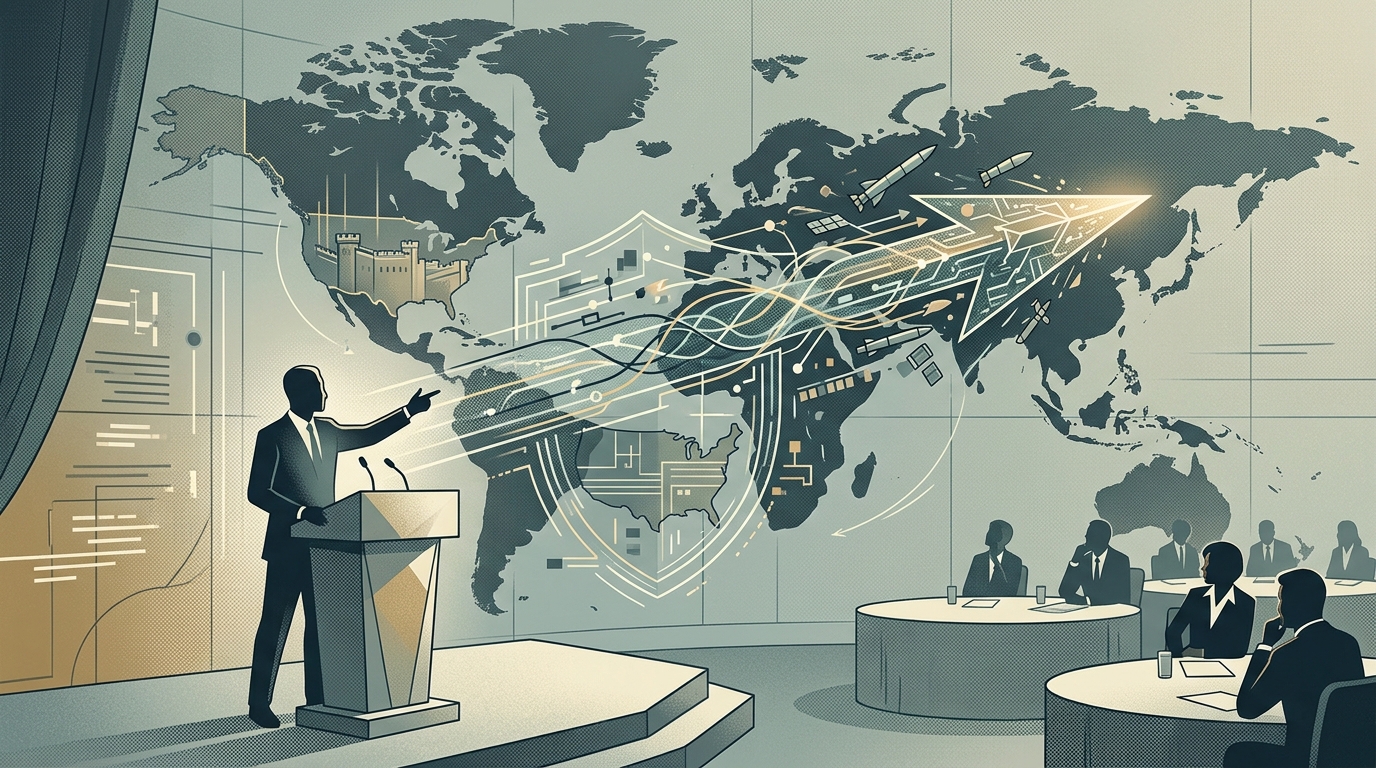
The conflict in Iran acts as a catalyst for a broader geopolitical realignment. China and India, as major energy importers from the region, are pushing for de-escalation, while the US and Europe remain torn between the need for security and the avoidance of a global economic recession. The question now is not whether the economy will be affected, but how deep the wound will be.
Analysts warn that if the conflict extends beyond the summer of 2026, the $25 billion cost could seem like a small fraction of the final damage. Businesses are called upon to demonstrate resilience, investing in local supply chains and diversifying their energy sources in an effort to shield themselves against a future where geopolitics will be the main market regulator.