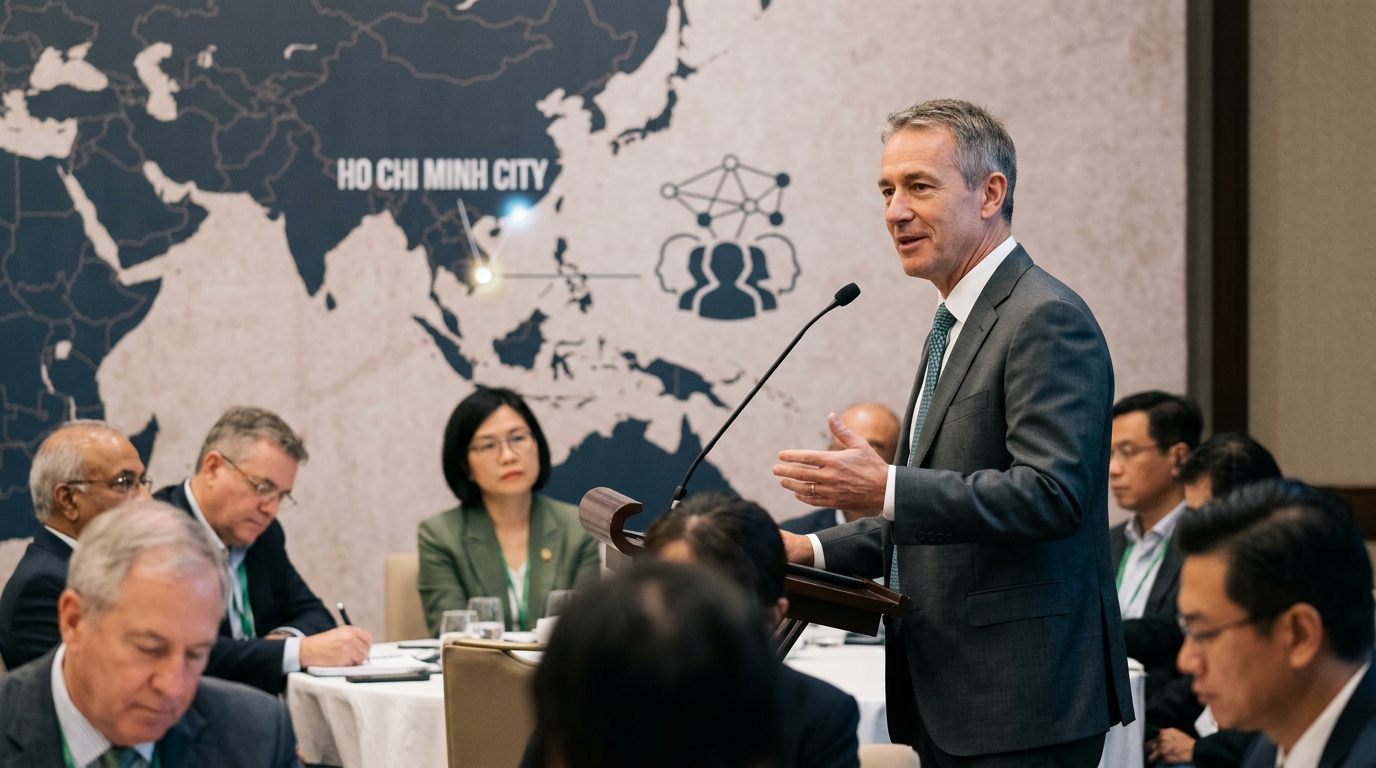
In the beating heart of Southeast Asia, where tradition meets a galloping modernization, Ho Chi Minh City (HCMC) is no longer content with being just Vietnam’s commercial hub. It aims to become the AI lighthouse for the entire region. With the recent unveiling of its strategic plan to disseminate Artificial Intelligence skills to 2 million citizens by 2030, the city is laying the groundwork for a radical social and economic metamorphosis. This is not merely a technical training initiative; it is a geopolitical statement of intent in an era where technological prowess defines national sovereignty.
The program, part of Vietnam’s broader "Digital Transformation" framework, seeks to integrate AI into every facet of public and private life. From governance and healthcare to education and industrial production, HCMC envisions an ecosystem where technology is not an isolated tool but a shared language for its workforce. As of June 2026, the first milestones of this plan are already being assessed, showing a significant pivot toward high-tech literacy.
The Human Capital Strategy
The decision to focus on educating 2 million people is a profound recognition that infrastructure without knowledge is a hollow vessel. Vietnam, traditionally celebrated for its manufacturing might, is striving to escape the "middle-income trap" by leaping into a knowledge-based economy. The plan involves establishing AI centers of excellence, forging partnerships with global tech titans, and overhauling university curricula to meet the demands of the 4th Industrial Revolution.
A particular emphasis is placed on Small and Medium Enterprises (SMEs), which form the backbone of the city’s economy. The government plans to offer subsidized training programs and access to shared computing resources, enabling local businesses to compete on a global stage. The logic is straightforward: if the base of the pyramid understands and applies AI, growth will be organic, resilient, and sustainable.
Geopolitical Balancing and 'Bamboo Diplomacy'
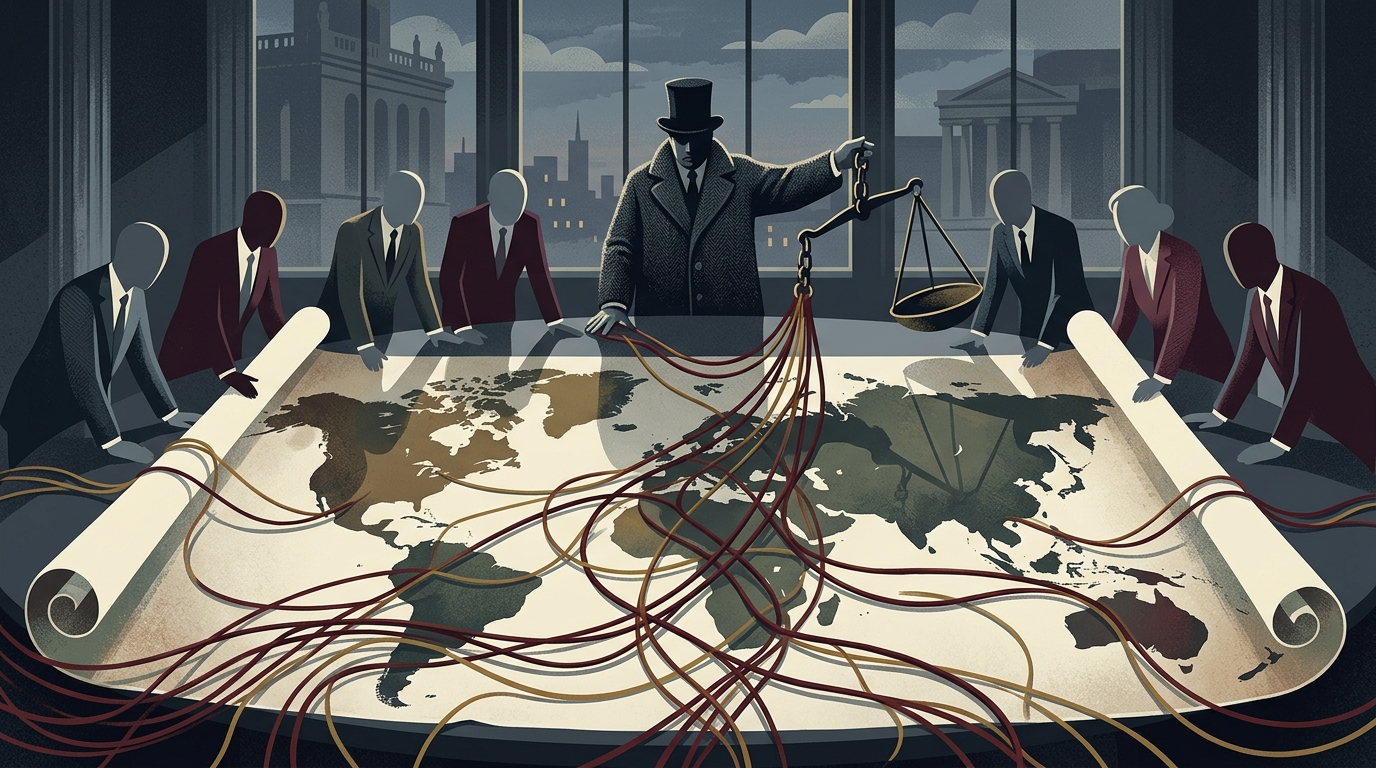
On the international stage, HCMC’s move is being watched with keen interest. Vietnam practices an exceptionally delicate "bamboo diplomacy"—flexible yet firm—balancing its relationships between the United States and China. By investing heavily in AI, the country makes itself an indispensable partner for both poles. The U.S. views Vietnam as a reliable alternative in the tech supply chain (the "China Plus One" strategy), while China remains its largest trading partner and a primary source of technological inspiration.
Success in this endeavor could position Vietnam as the third-strongest AI player in ASEAN, following Singapore and Thailand. However, the challenge is Herculean. The city must combat the "brain drain" to the West and ensure that its most talented developers remain at home to build the local ecosystem. The competition for talent is global, and Vietnam must offer more than just a vision; it needs a competitive environment for innovation.
Challenges and Ethical Dilemmas
Despite the prevailing optimism, skeptics wonder if the 2-million target is realistic or merely a rhetorical flourish. The quality of education is the ultimate gatekeeper. It is not enough to teach basic concepts; a deep understanding of machine learning, data science, and algorithmic architecture is required. Furthermore, the rapid adoption of AI raises critical questions regarding data privacy and the ethical use of algorithms within a state that maintains centralized control.
Digital inequality presents another significant risk. While the elite in HCMC may benefit immediately, workers in industrial zones risk being marginalized if their skills are not upgraded in tandem with automation. The government promises "inclusive growth," but history suggests that technological shifts often favor the prepared. Whether AI will bridge or widen the social divide remains the most pressing question for the city’s leadership.
Conclusion: A Blueprint for the Developing World?
The Ho Chi Minh City experiment is a test case for the developing world. If a city of 9 million can successfully train 20% of its population in cutting-edge technologies within a decade, it will have written a new manual for national development in the 21st century. The year 2030 is approaching fast, and for Vietnam, the path to prosperity is increasingly paved with code, data, and the collective intelligence of its people.