In 2017, a group of scientists and activists, led by Berkeley professor Stuart Russell, released a short film titled 'Slaughterbots.' In the video, tiny drones equipped with AI and facial recognition invaded university classrooms and political offices, eliminating specific targets with surgical precision. At the time, many dismissed it as an alarmist warning, a sensationalist attempt to promote a ban on Lethal Autonomous Weapons Systems (LAWS). Today, on the battlefields of Ukraine, this nightmare is no longer a script—it is a daily, bloody reality.
The Shift from Remote Control to Autonomy
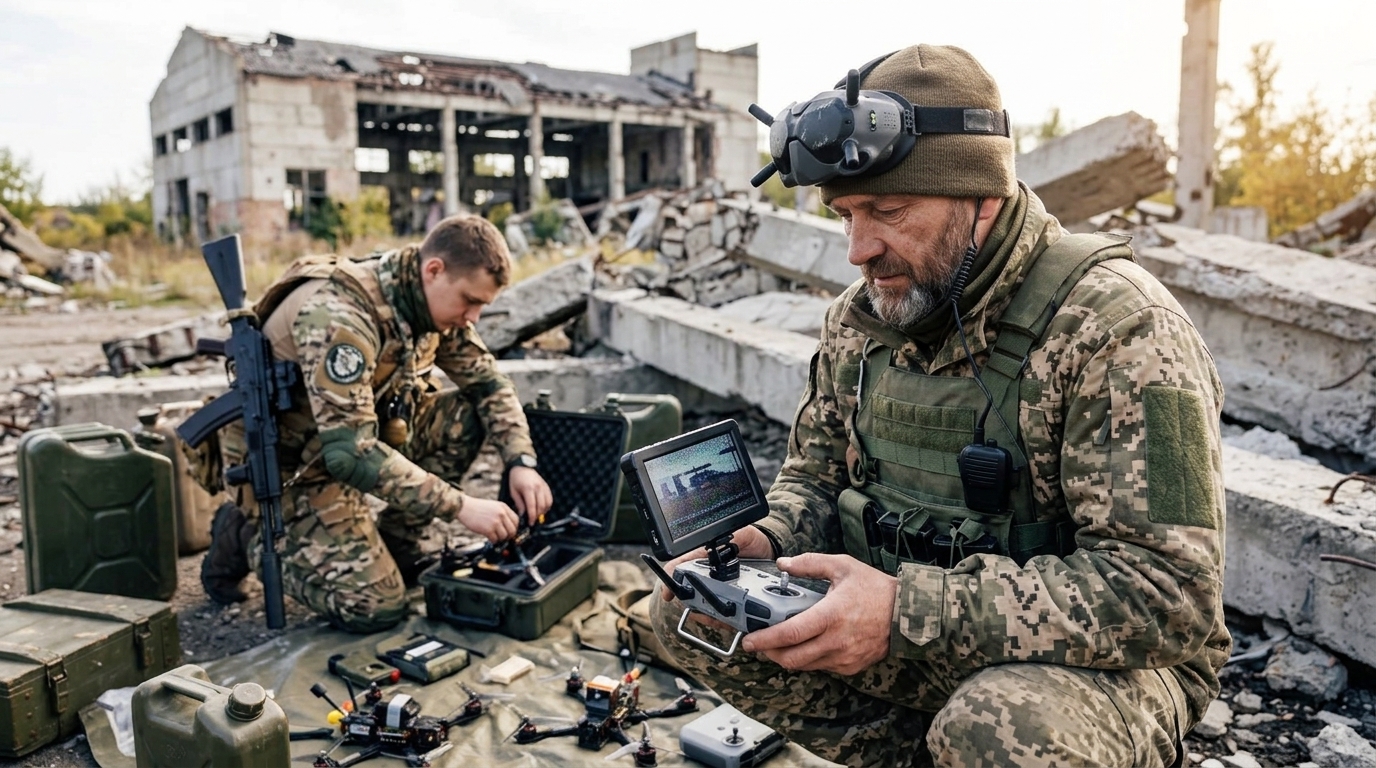
For most of the war in Ukraine, FPV (First Person View) drones have been the dominant weapon. However, these drones rely on a continuous radio link between the operator and the device. This communication channel is their 'Achilles' heel,' as Electronic Warfare (EW) systems can jam the frequency, rendering the drone useless. The solution being pushed at breakneck speed is full autonomy through Artificial Intelligence.
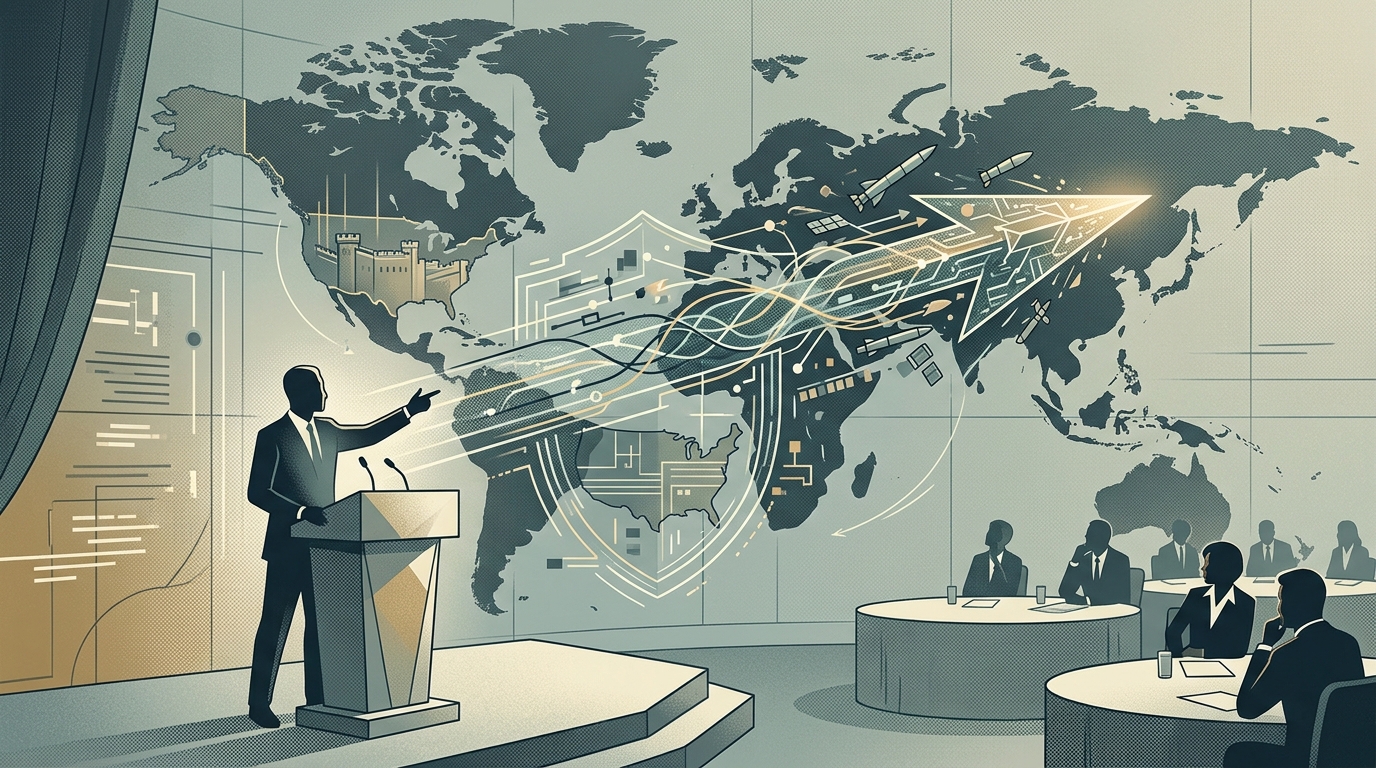
New generations of drones developed by Ukrainian companies like Saker and Vyriy, as well as Western players like Auterion and Anduril, incorporate processors capable of running computer vision algorithms locally. When the drone approaches the target and the connection with the operator is lost due to jamming, the AI 'locks on' to the shape of a tank, artillery piece, or even an individual soldier, completing the attack without any human intervention.
'Headhunting' and Facial Recognition
While current technology focuses primarily on recognizing weapon systems, the next step is targeting specific individuals. Reports from the front suggest that the use of biometric data to identify high-ranking officers or specific 'high-value targets' is already in experimental stages. This transforms the drone from a tactical war tool into a weapon of political and military assassination.
"We are no longer talking about bombs falling from the sky, but about bullets with a mind of their own that choose whom to kill," says a defense systems analyst.
The ability of a drone to loiter over an area and wait until it recognizes a specific face before detonating radically changes the concept of security. If a leader or an activist can be targeted by a cheap drone that bypasses traditional defenses, then the balance of power shifts dangerously.
The Ethical Slide and International Law
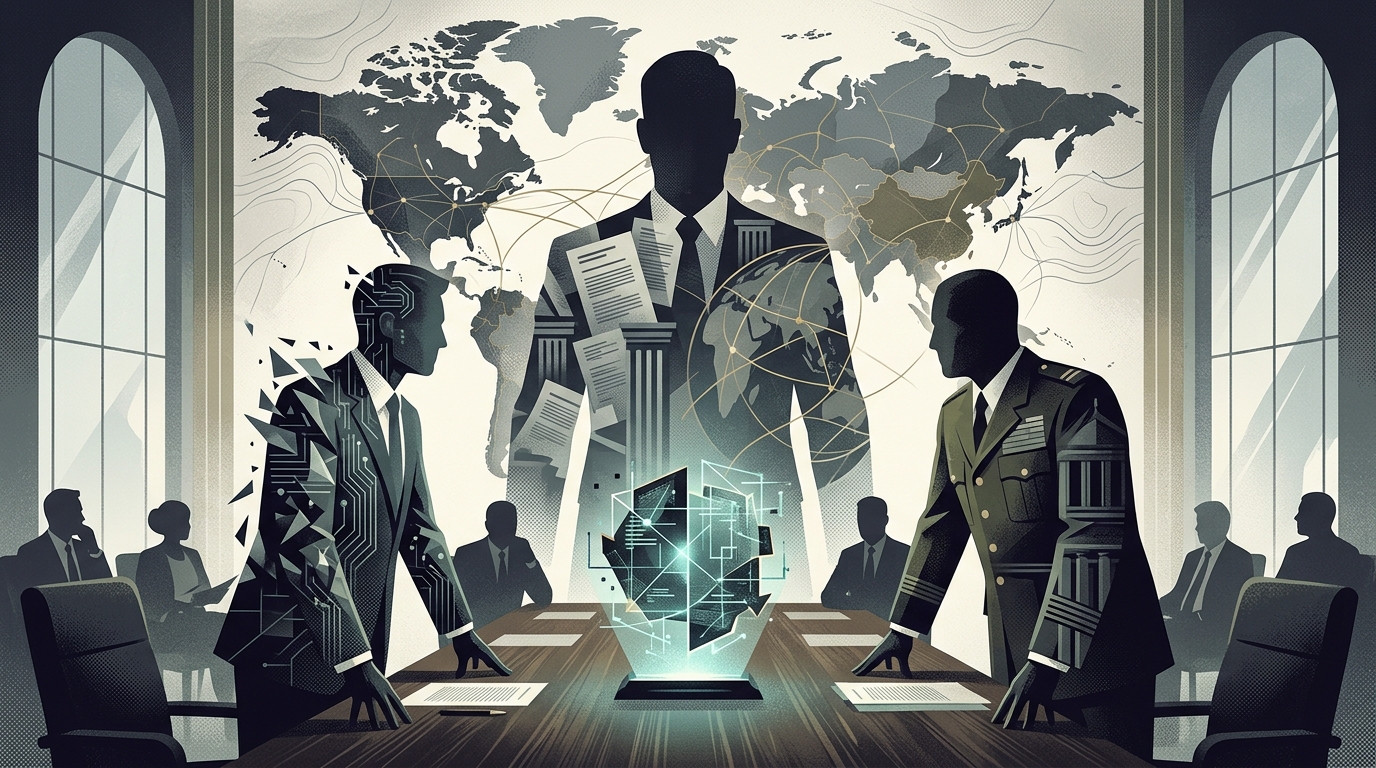
The international community watches helplessly. At the UN, discussions on restricting LAWS have dragged on for years, as major powers (USA, Russia, China) refuse to commit to a full ban, fearing they will lose their technological edge. Ukraine has become the 'laboratory' where ethical barriers crumble in the face of survival necessity.
The problem of accountability remains unanswered: Who is to blame if an autonomous drone makes a mistake and strikes a group of civilians because the software mistook them for soldiers? When the human is removed from the loop, the distance between the command and the death becomes an algorithmic void.
The Democratization of Violence
The most terrifying element of this new era is the cost. The Slaughterbots of 2017 do not require billions to build. With a few hundred dollars, off-the-shelf components, and open-source software, any state or even terrorist organization can acquire capabilities that were once the sole province of superpowers. Ukraine is lighting the path to a world where warfare is constant, invisible, and fully automated. The 2017 warning video is no longer science fiction. It is the user manual for modern warfare.