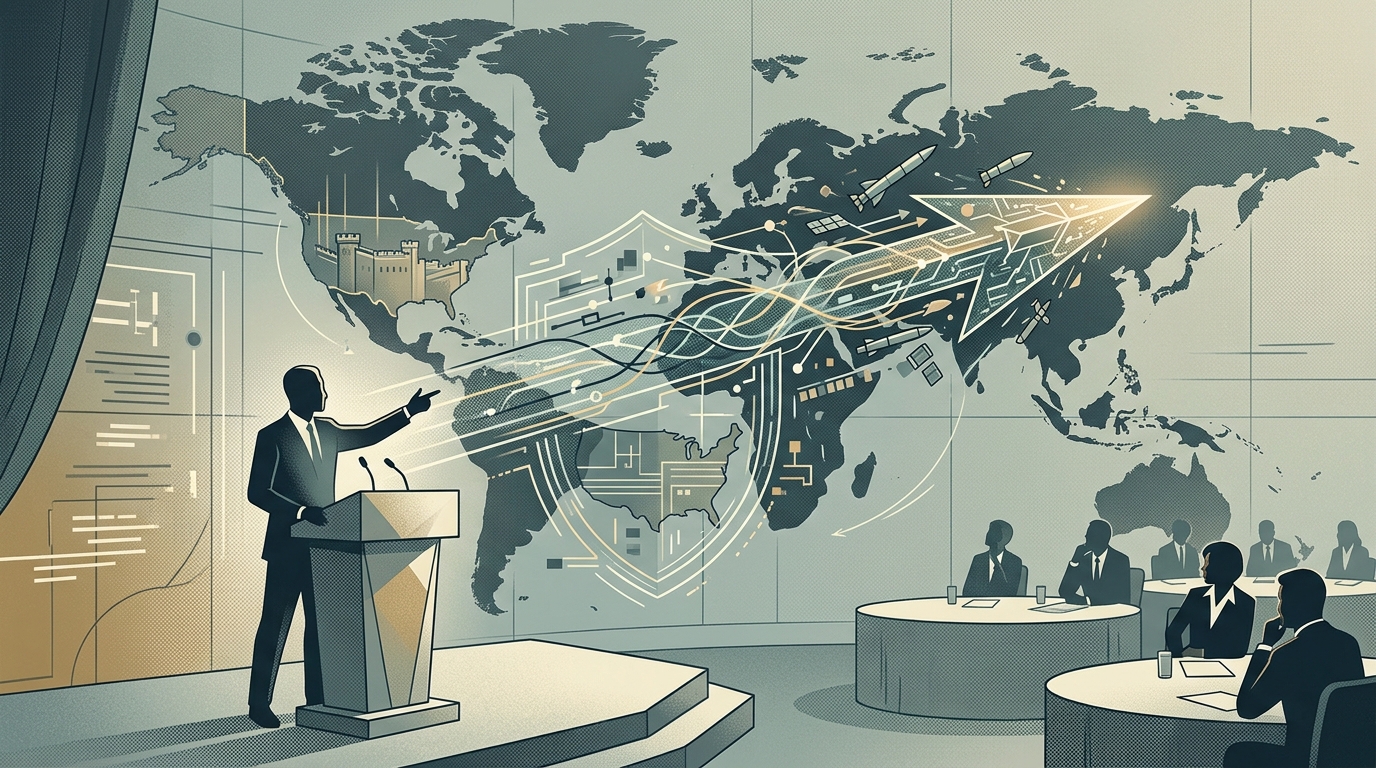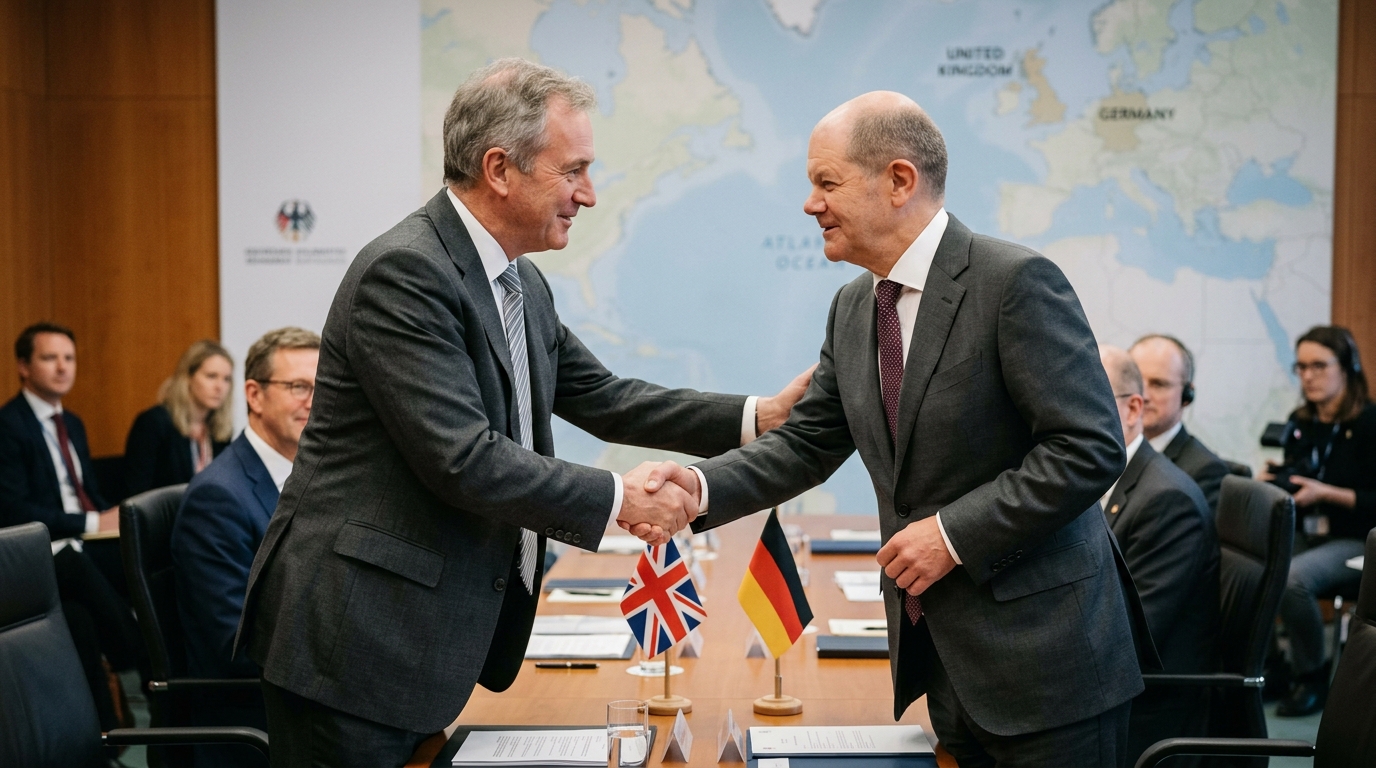
In an era where technological supremacy is inextricably linked to national security, Germany and the United Kingdom have entered into a landmark cooperation agreement. Announced amidst escalating global tensions, this move aims to collectively address the challenges posed by dependence on China for critical minerals and to accelerate the development of Artificial Intelligence (AI). As we move through April 2026, the convergence of Europe's two largest economies signals a new phase of pragmatism in their bilateral relations.
The Battle for Raw Materials and Decoupling from China
The heart of the agreement lies in the sector of critical minerals. Lithium, cobalt, and rare earths form the backbone of the green transition and the defense industry. Until recently, Europe found itself in a dangerous state of reliance on Chinese imports—a reality that the pandemic and the war in Ukraine made clear is no longer sustainable. The new German-British approach promotes "friend-shoring": developing supply chains among nations that share common democratic values.
According to analysts in Berlin, Germany brings its massive industrial base and the necessity for a steady flow of resources for its automotive sector to the table. On the other hand, London offers its expertise in financial services for mining and its strategic position as an innovation hub. The cooperation is not limited to extraction; it extends to the processing and recycling of these materials, creating a circular economy that bolsters European autonomy.
Artificial Intelligence: From Safety to Economic Power
While minerals provide the physical foundation, AI is the brain of the new economy. The agreement stipulates joint research programs and, most importantly, the creation of unified standards for the ethical and safe use of AI. Following the Bletchley Park Summit legacy, the UK has emerged as a global leader in AI governance, while Germany boasts world-class research institutions like the Max Planck Society.
The collaboration focuses on applying AI to heavy industry and manufacturing. The goal is to create an ecosystem capable of competing with tech giants from the US and China. Government sources indicated that sharing computing power and data will enable European startups to develop Large Language Models (LLMs) tailored to the needs of the European market, while ensuring strict privacy protection.
The Geopolitical Dimension: Moving Beyond Brexit?
This deepening of ties comes at a time when the UK is seeking new ways to connect with the European continent without formal reintegration into the EU. For Germany, Britain remains an indispensable partner in security and technology. This move is interpreted as an attempt to create a powerful axis that can act as a counterbalance to economic pressure from the East and technological dominance from the West.
- Joint investments in mining projects in third countries (Africa, Latin America).
- Cybersecurity collaboration to protect critical infrastructure.
- Exchange of scientific personnel between universities and industrial hubs.
In conclusion, the Berlin-London alliance on critical minerals and AI is not merely a commercial deal. It is a strategic choice for survival in a multipolar world. Its success will depend on the ability of both nations to overcome bureaucratic hurdles and translate political declarations into tangible industrial outcomes.