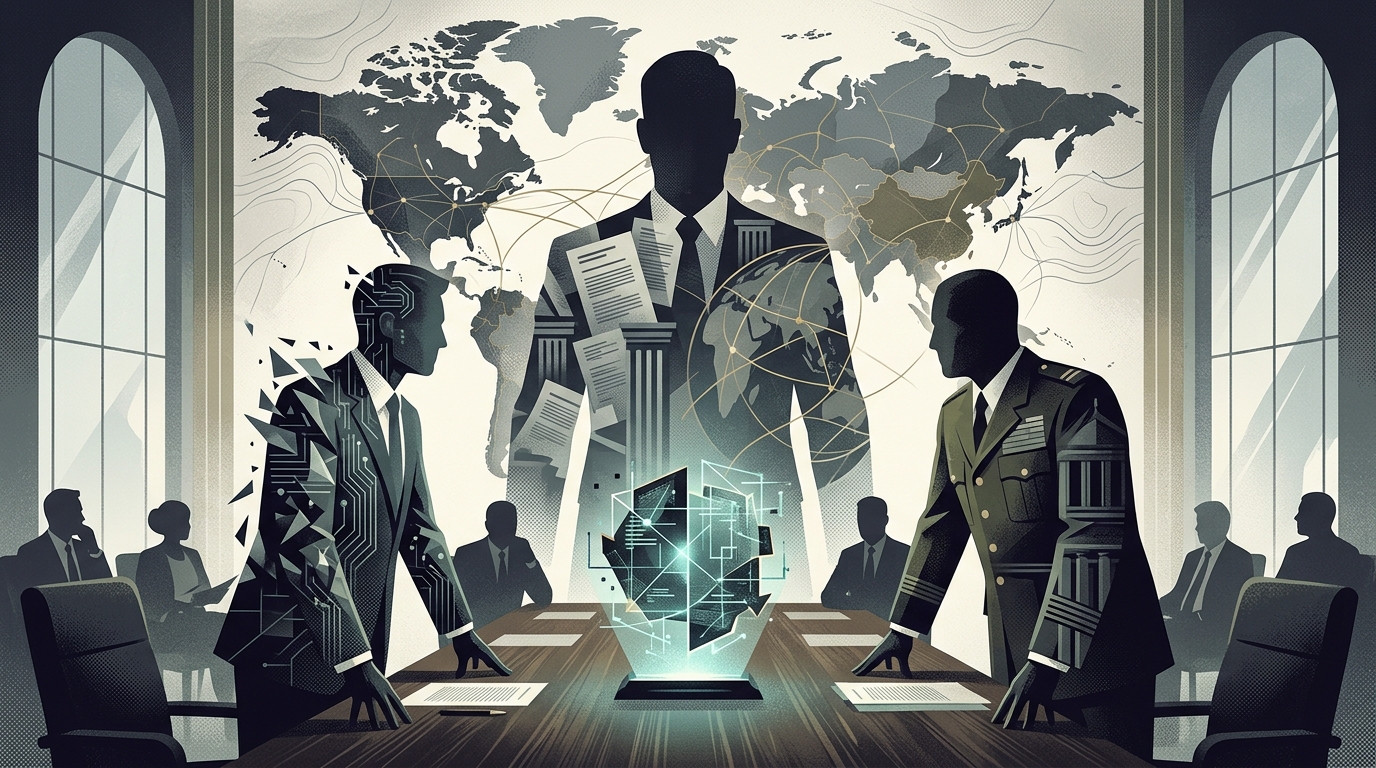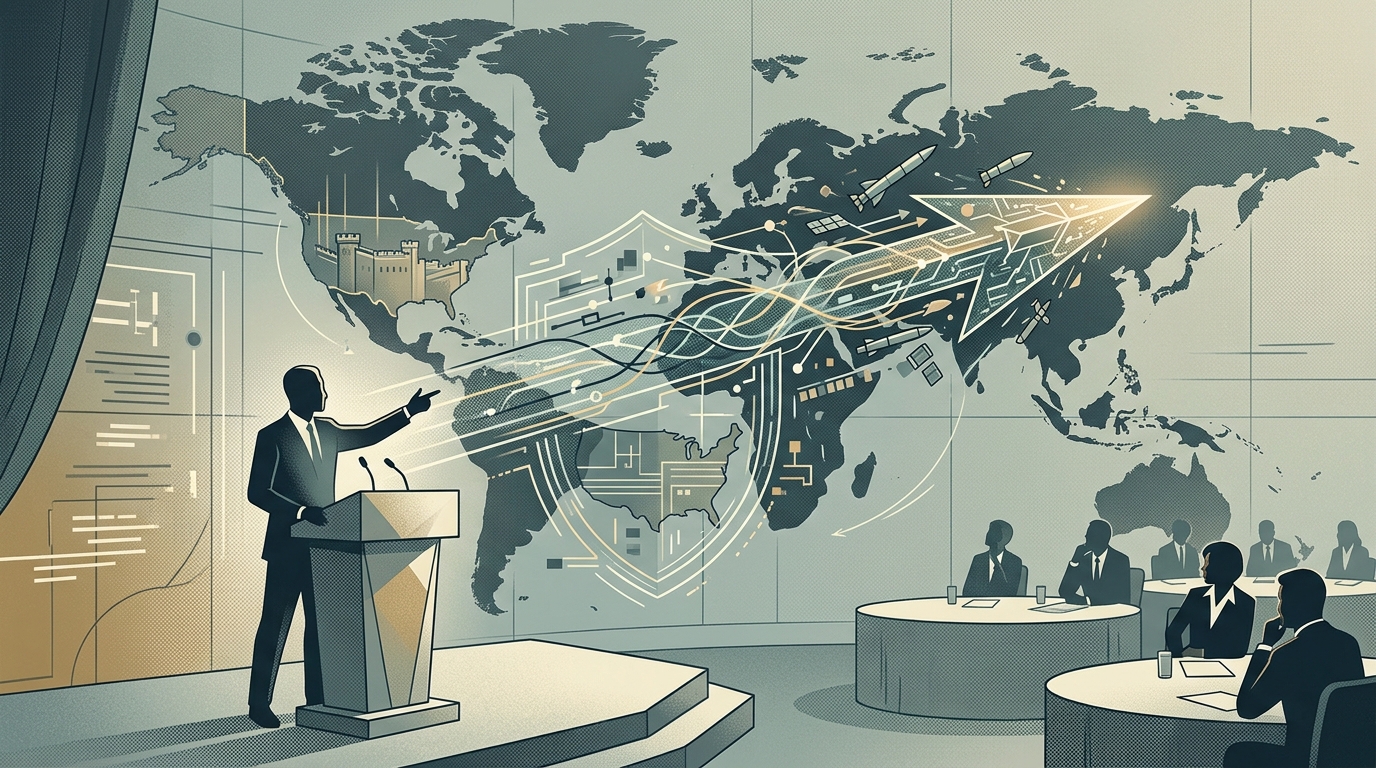
Europe stands at a critical crossroads. While the Old Continent has successfully established itself as the world’s AI regulator through the AI Act, a new report sounds the alarm regarding a deeper, structural weakness. The so-called 'dependency trap' is no longer a theoretical scenario but a geopolitical reality threatening the European Union’s economic sovereignty for decades to come.
The Regulator’s Paradox: Rules Without Players
The report’s core argument focuses on the fact that Europe has invested enormous political capital in mitigating AI risks but very little in developing its own 'champions.' Today, the vast majority of foundation models used by European businesses are owned by American giants such as Microsoft, Google, and OpenAI. At the same time, the computational power required to train these models relies almost exclusively on hardware from Asia, with Taiwan and South Korea holding the lion's share of semiconductor production.
This dual dependency creates a dangerous void. If the US decides to restrict access to advanced models for national security reasons, or if a conflict in the Pacific disrupts the chip supply chain, the European economy will find itself paralyzed. The report emphasizes that regulating technology you do not produce is, at best, a defensive strategy and, at worst, a recipe for stagnation.
Infrastructure as the New Oil
The problem is not limited to software. The 'trap' extends to cloud infrastructure. European companies store their data and run their algorithms on servers owned by AWS, Azure, or Google Cloud. This means Europe's 'digital lifeblood' flows through arteries controlled by foreign powers. Despite efforts like Gaia-X, Europe has failed to create a competitive alternative at scale.
- A lack of venture capital compared to Silicon Valley’s risk-taking culture.
- Bureaucratic hurdles that discourage the rapid scaling of startups.
- Brain Drain: Top European scientists migrating to the US for better salaries and access to compute power.
- A fragmented market that prevents the creation of unified, large-scale datasets.
Geopolitical Implications and the Rise of Asia
While global attention is focused on the US-China rivalry, Europe risks remaining a mere consumer. China, through state subsidies and an aggressive 'military-civil fusion' strategy, has managed to build an AI ecosystem that is largely self-sufficient. Europe, by contrast, remains locked in a dependent relationship with Washington, which often uses its technological superiority as leverage in trade negotiations.
Strategic Autonomy or Strategic Subservience?
The report suggests a radical shift toward 'Strategic Autonomy.' This does not mean isolationism, but rather building domestic capabilities at critical points in the value chain. Without its own next-generation semiconductor fabs and without its own large language models (LLMs) that reflect European values and languages, the EU will remain a 'digital vassal.'
Is there still hope? The report’s authors argue that Europe holds one strong card: Industrial AI. While the US dominates consumer AI (chatbots, social media), Europe can lead in applying AI to manufacturing, energy, and healthcare. However, this requires a 'war-time effort' in terms of funding and the unification of the digital market. Time is running out, and the trap is slowly closing, leaving Europe with excellent laws but without the tools to build its own future.