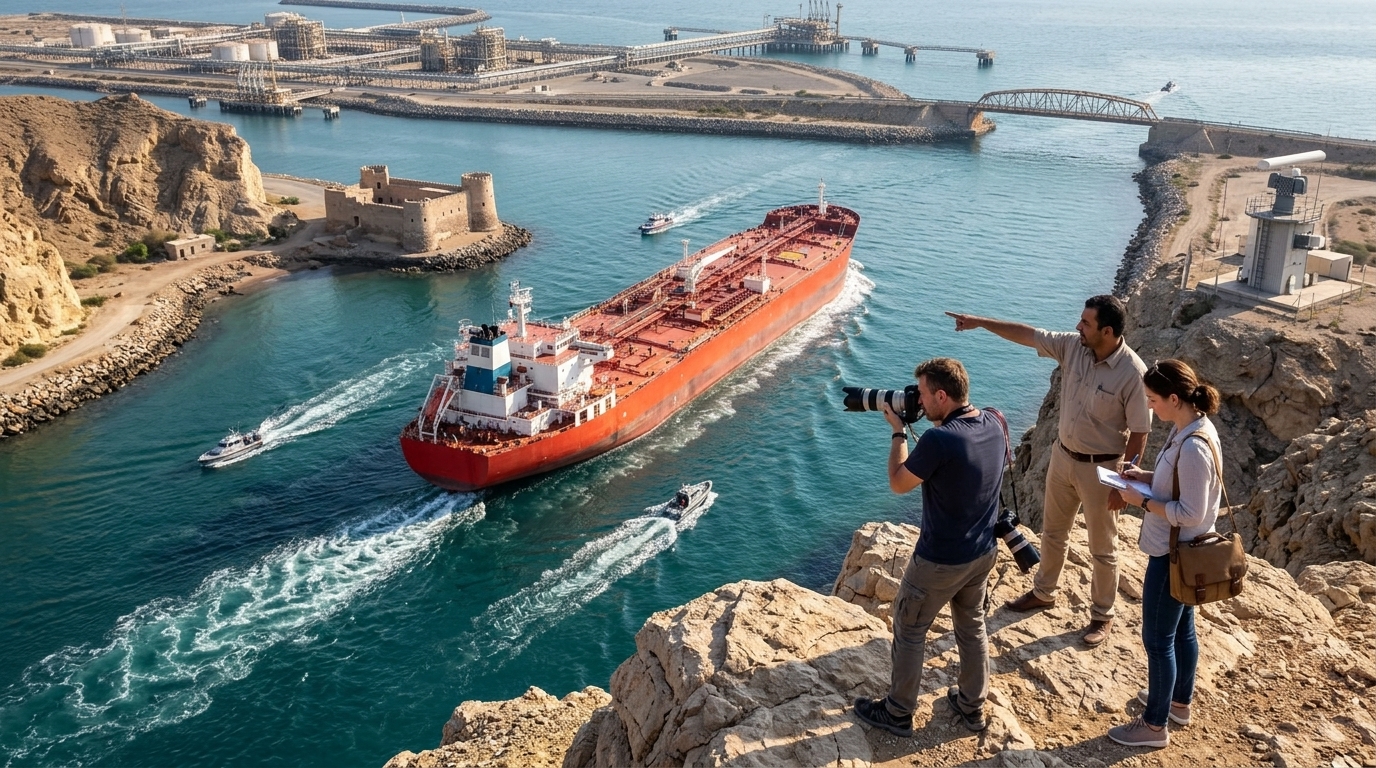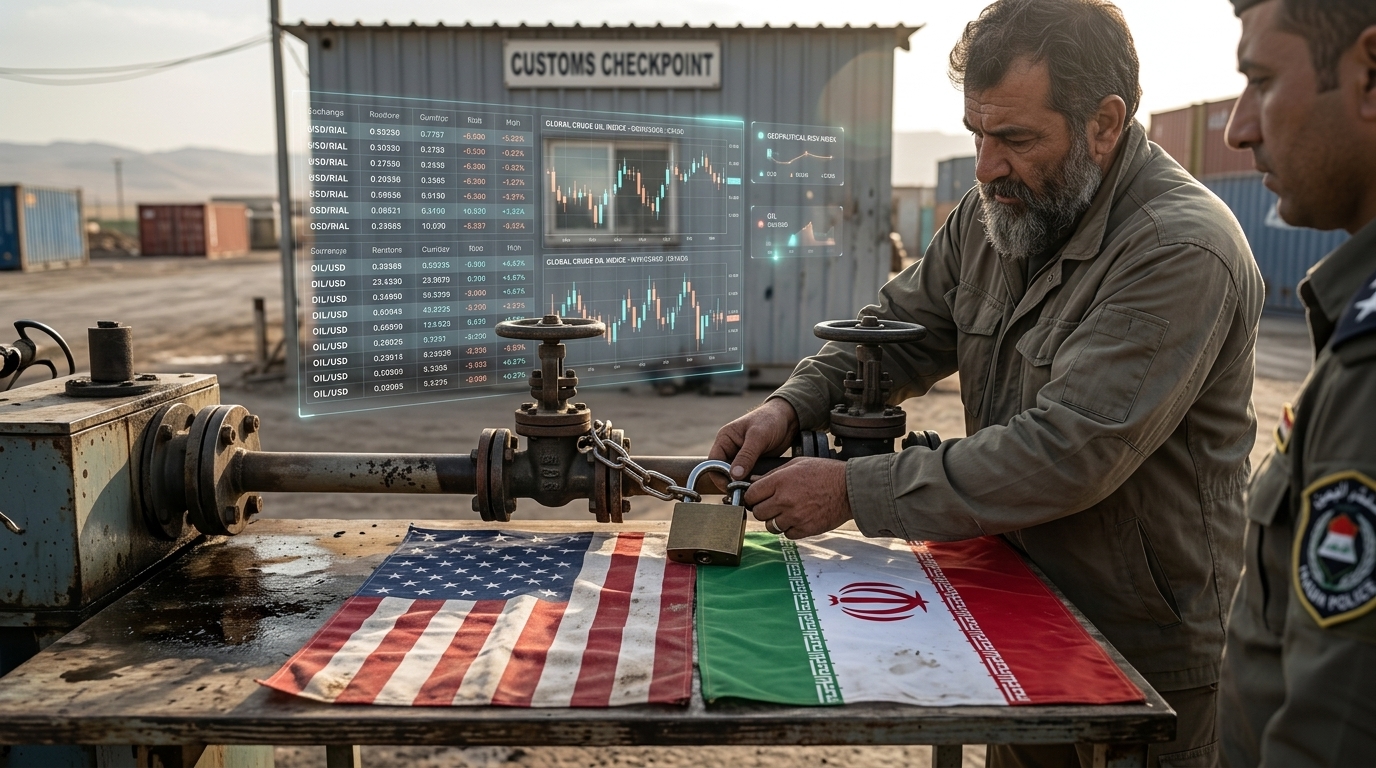
In the 20th century, geopolitical power was measured in barrels of oil and control over the Strait of Hormuz. Today, in mid-2026, the global chessboard is shifting violently. The emergence of Artificial Intelligence (AI) as the central regulator of energy production, distribution, and consumption poses a provocative question: Can an algorithm exert more influence than a Saudi Arabian Energy Minister? The answer is no longer theoretical, as digital diplomacy begins to sideline traditional pipeline diplomacy.
The Rise of the 'Algorithmic Regulator'
For decades, OPEC (Organization of the Petroleum Exporting Countries) functioned as the world's 'swing producer,' adjusting supply to stabilize prices. However, AI's ability to process vast volumes of real-time data—from satellite imagery of tankers to smart city consumption patterns—has stripped the information advantage from cartel member states. Demand forecasting algorithms are now so precise that markets react to data before OPEC can even convene in Vienna.
Artificial Intelligence doesn't just predict prices; it shapes them. Through algorithmic trading, decisions to buy or sell energy futures are made in milliseconds. This creates a new reality where market volatility depends not on geopolitical tensions in the Middle East, but on how an algorithm interprets a Federal Reserve statement or a report on US shale reserves. The human element in price discovery is being replaced by machine logic that prioritizes efficiency over political consensus.
From Oil to Data: The Pivot of Petrostates
It is a mistake to assume that Gulf states are watching this transition passively. Countries like the United Arab Emirates and Saudi Arabia are investing billions in developing their own AI infrastructure. The 'Saudi Vision 2030' has now integrated AI as the core pillar for managing their reservoirs. By using AI to optimize extraction and reduce carbon intensity, they aim to remain profitable even as oil prices face downward pressure from the energy transition.
However, the new dependency is not on crude oil, but on semiconductors and computational power. Energy security in 2026 is inextricably linked to access to high-end chips. If OPEC once controlled the oil valves, the 'Silicon Alliance' now controls the intelligence driving the green transition. AI is essential for managing intermittent energy sources like wind and solar, making 'smart grids' the new arena of geopolitical confrontation. The struggle for lithium and cobalt is being overtaken by the struggle for the algorithms that manage them.
Decentralization as a Threat to Cartels
OPEC thrived in a centralized production system. AI, however, promotes decentralization. Through the optimization of microgrids and the use of AI for managing energy storage in residential batteries, the need for mass fossil fuel imports is diminishing. When every building can become a small energy producer managed by its own local algorithm, the leverage of large exporters wanes significantly.
- AI reduces the operational costs of renewable energy by 25-30% through predictive maintenance.
- AI-based weather forecasting systems make wind energy more reliable than natural gas in specific regions.
- Automated data diplomacy allows smaller nations to coalesce into 'digital energy unions,' bypassing traditional power structures.
In conclusion, while OPEC will not disappear tomorrow, its ability to hold the global economy hostage is being drastically curtailed. The new 'OPEC' may not consist of states, but of a consortium of code, data, and semiconductors. The energy diplomacy of the future will be written in Python, not in secret deals behind closed doors. The era of the 'Digital Swing Producer' has arrived, and it speaks the language of neural networks.