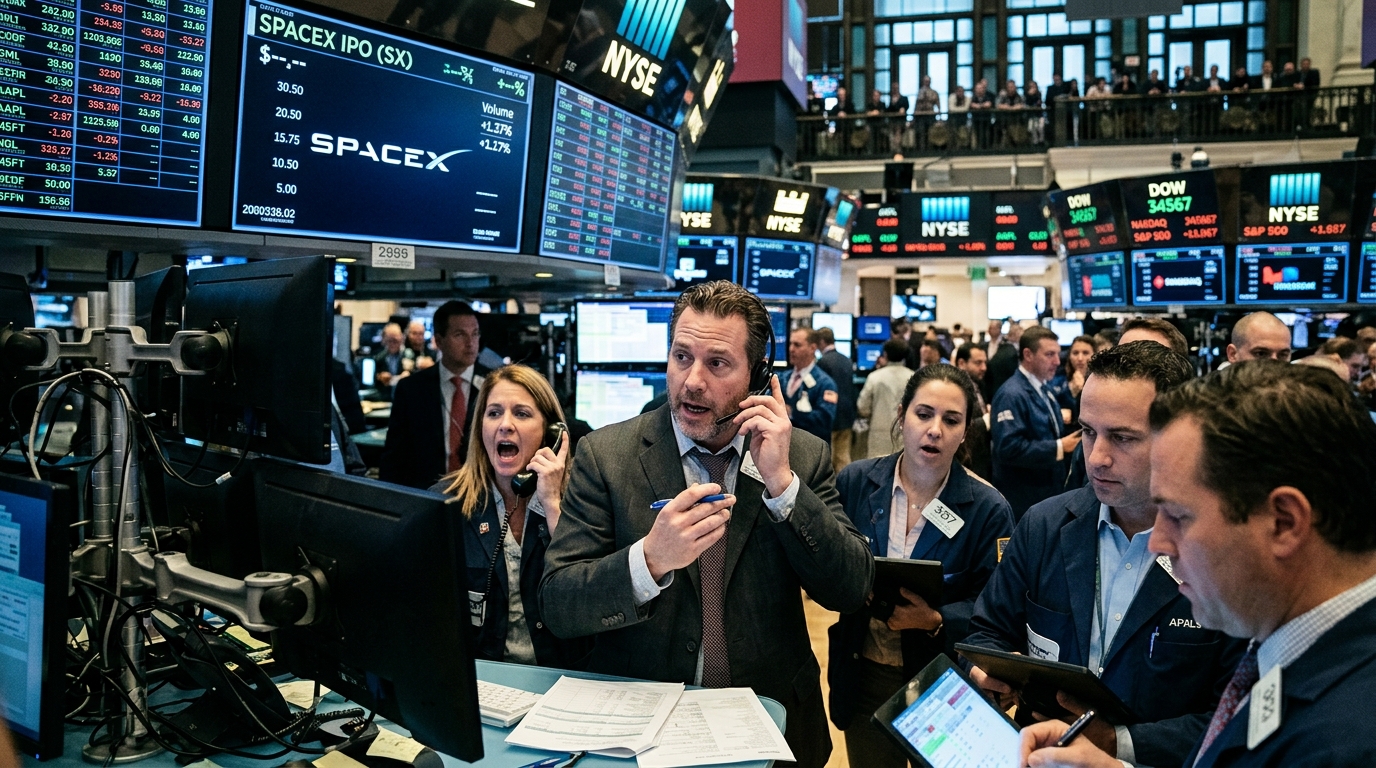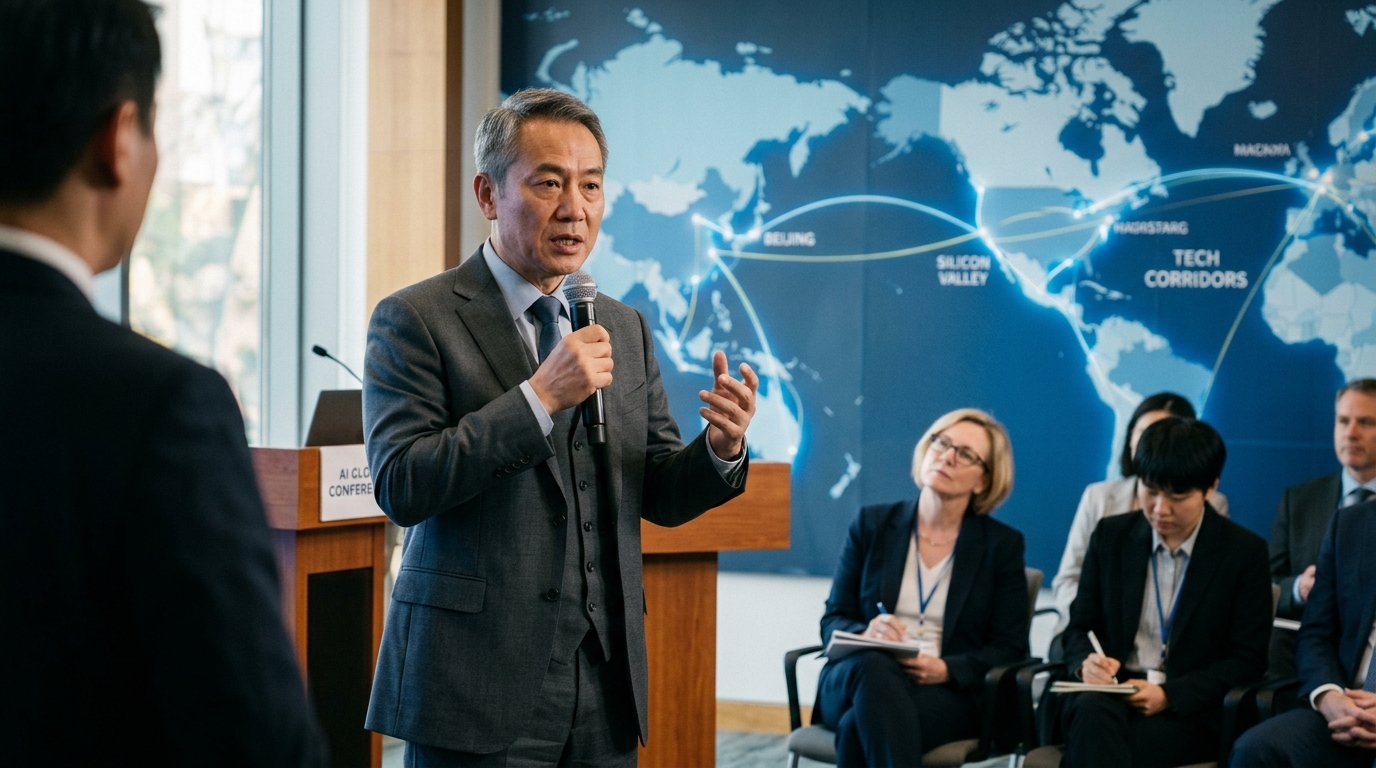
The global geopolitical chessboard of artificial intelligence has just experienced a significant tremor. DeepSeek, a Chinese AI lab born from the world of quantitative trading (High-Flyer Quant), has unveiled its latest model. It doesn't just rival Silicon Valley giants like OpenAI and Anthropic in performance; it does so at a price point previously thought impossible. This announcement is more than a business update; it is a clear declaration of China’s technological sovereignty, with the company emphasizing "full support" and optimization for Huawei’s domestic silicon.
The Strategy of Radical Efficiency
While American tech giants pour billions of dollars into Nvidia-powered infrastructure to train ever-larger models, DeepSeek has taken a radically different path. DeepSeek-V3, their latest flagship, utilizes a Mixture-of-Experts (MoE) architecture. This allows the model to activate only a fraction of its parameters for any given query, dramatically slashing computational overhead. Consequently, the company is offering API pricing that is up to 20 times cheaper than GPT-4o.
This move is a direct assault on the Western business model. If DeepSeek can provide comparable or superior performance at a fraction of the cost, the economic viability of expensive subscription-based models is called into question. Analysts suggest that China is no longer merely trying to "catch up" with the West but is aiming to leapfrog it through resource optimization and mass adoption strategies.
The Huawei Alliance and the Sanctions Response
The most critical element of the announcement is the deep integration with Huawei. As the United States imposes increasingly stringent export controls on advanced Nvidia chips (such as the H100 and B200) to China, Beijing has been forced to accelerate the development of its own semiconductor ecosystem. DeepSeek confirmed that its models are fully compatible and optimized for Huawei’s Ascend processors.
"Reliance on foreign technology is a risk. Optimizing for domestic chips is no longer an option; it is a matter of survival," sources within the Chinese industry note.
This development shatters the narrative that US sanctions would "freeze" Chinese AI at 2022 levels. Instead, they appear to have acted as a catalyst for domestic innovation. Huawei, despite being barred from Western 5G networks, has emerged as a national semiconductor champion, providing the necessary horsepower to train models that now speak the language of the global market with authority.
Geopolitical Implications: The Technological Iron Curtain
The rise of DeepSeek as a global player signals the solidification of a bipolar technological world. On one side, we have the US ecosystem, built on Nvidia hardware and the closed-source software of trillion-dollar corporations. On the other, a Chinese ecosystem is emerging, built on Huawei hardware, with a heavy emphasis on open-source accessibility and aggressive pricing to capture developers in emerging economies.
- Democratization or Dependency? DeepSeek’s rock-bottom pricing makes advanced AI accessible to thousands of developers worldwide, but it simultaneously increases Chinese influence over the digital foundations of the future.
- Pressure on Nvidia: While demand for Nvidia remains at record highs, Huawei’s success in China means the long-term loss of a massive market for the American chipmaker.
- Security and Data: The ascent of Chinese models re-ignites concerns in the West regarding data security and the ideological alignment of AI training sets.
In conclusion, DeepSeek is not just selling an algorithm; it is selling an alternative reality where artificial intelligence does not require an "American license." Whether the West responds with further sanctions or a new strategy for innovation remains to be seen. What is certain is that the era of American AI unipolarity has come to an end.