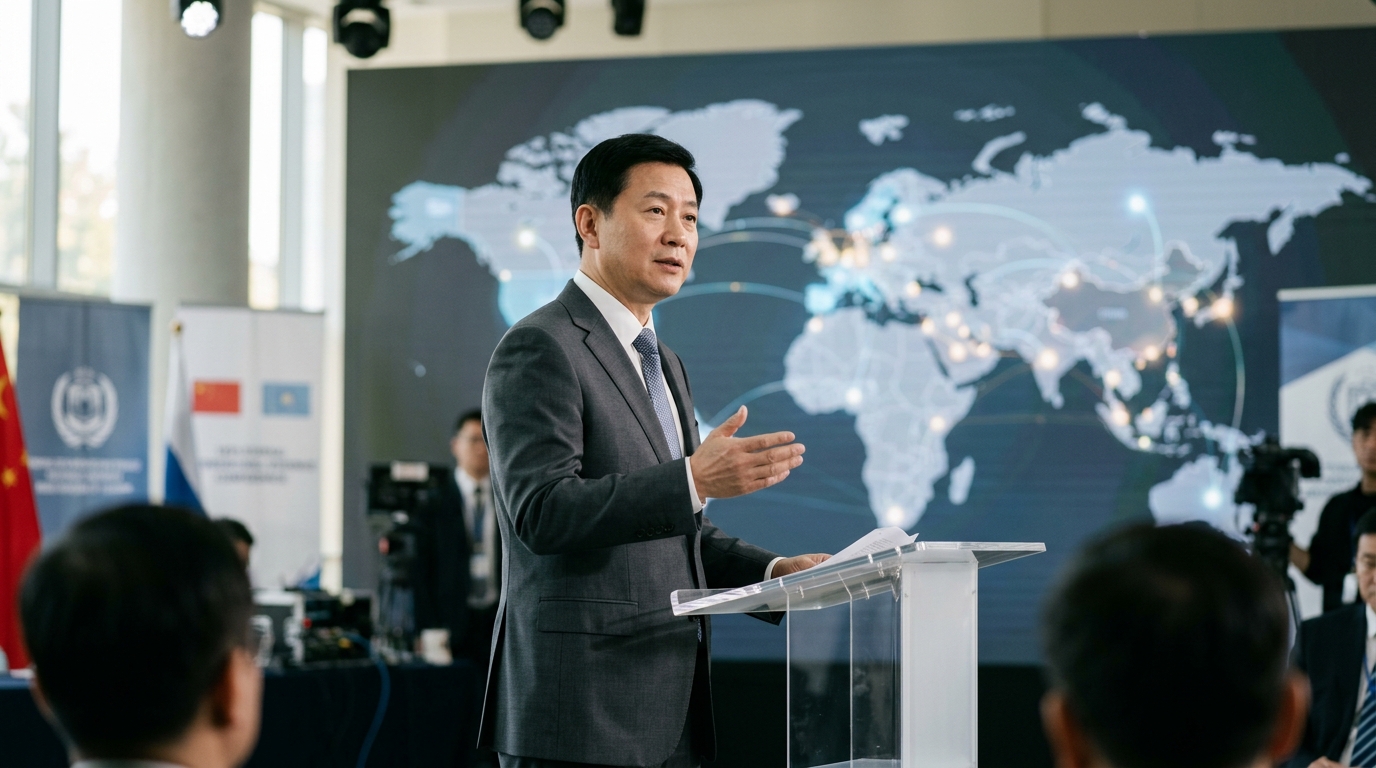
The history of technology is punctuated by moments where a David upends the Goliaths of the industry, but rarely has such a disruption carried the geopolitical weight of DeepSeek. Liang Wenfeng, the enigmatic founder behind the Chinese AI phenomenon, currently stands at a definitive crossroads. Following the global shockwaves triggered by the release of the V3 and R1 models, DeepSeek is no longer just an experimental laboratory born out of a quantitative trading firm (High-Flyer Quant); it has become a central pillar on the global AI chessboard.
The Strategy of 'Scarcity Efficiency'
For years, Silicon Valley has operated under the mantra of 'more is better': more GPUs, more data, more power. Liang Wenfeng challenged this premise—not necessarily by choice, but by necessity. Driven by U.S. export restrictions on high-end chips like Nvidia’s H100s, DeepSeek was forced to innovate at the algorithmic level to compensate for hardware deficits. The result was an architecture that achieves GPT-4 level performance at a fraction of the training cost.
This approach was not merely a technical victory; it was a declaration of independence. Liang proved that intelligence is not strictly proportional to the dollars spent, but to mathematical elegance. However, this success brings the burden of 'normalization.' As DeepSeek scales, the requirement for institutional structure, state backing, and international compliance threatens to stifle the lean, agile culture that fueled its rise.
The Talent Dilemma and the Challenge of Scale
One of the most pressing questions facing Liang is talent retention. DeepSeek was staffed by an elite cohort of engineers attracted by the promise of pure research, away from the stifling bureaucracy of Chinese tech giants like Alibaba or Tencent. Now, with the world watching, these scientists have become prime targets for headhunting by global players. Simultaneously, the company must decide whether to remain a closed 'commando' unit or evolve into a massive corporate entity with thousands of employees.
"Liang’s challenge is no longer just about neural network architecture; it’s about the architecture of his company within a hostile global environment," notes a Beijing-based market analyst.
Transitioning into a 'normal' company also means navigating the complex web of Chinese regulations. While DeepSeek is currently the 'golden child' of Chinese tech, history shows that Beijing tends to domesticate any entity that gains excessive influence. Liang must walk a tightrope between being a patriotic innovator and an independent researcher.
Geopolitics and the New Cold War Reality
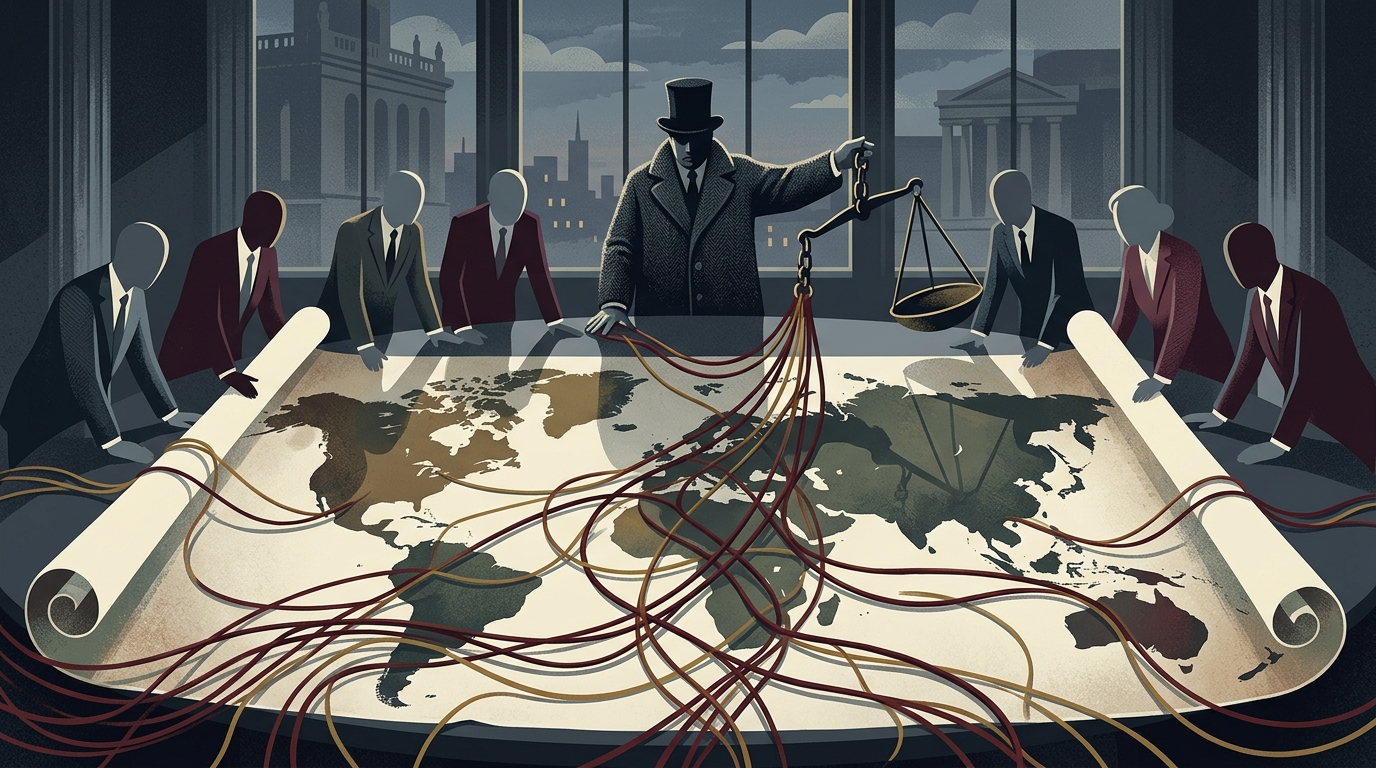
DeepSeek has inadvertently (or perhaps calculatedly) become the strongest argument against the efficacy of U.S. sanctions. If a company can reach the frontier using older technology or fewer resources, then the strategy of chip containment may prove hollow. This puts Liang Wenfeng directly in Washington’s crosshairs, as the U.S. considers further restrictions—not just on hardware, but on access to cloud services and open-source collaboration.
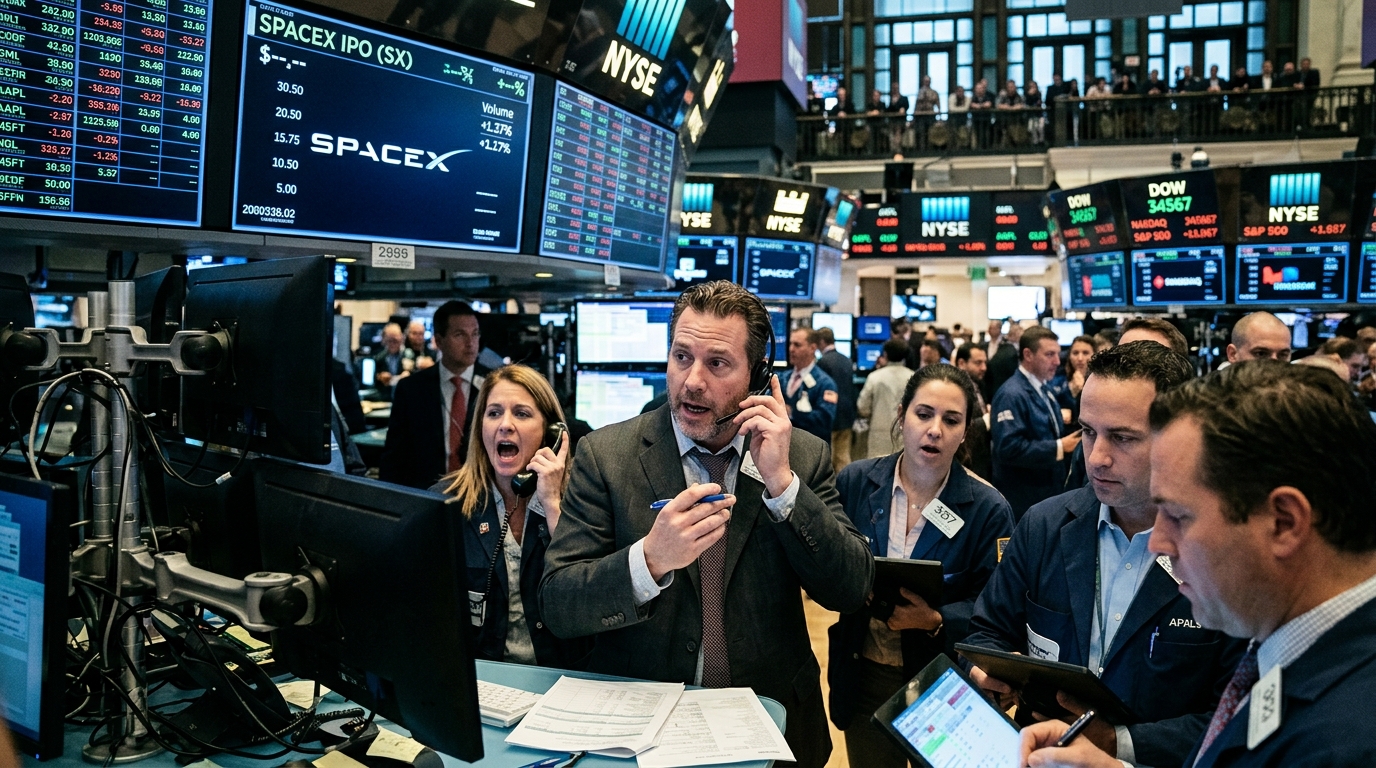
- Market Impact: The dip in Nvidia’s stock price following DeepSeek’s announcements highlighted how fragile the narrative of American dominance can be.
- The Open-Source Gambit: DeepSeek’s decision to release model weights is a strategic move to win over the global developer community, effectively bypassing commercial blockades.
- Internal Pressures: The mandate to align with 'socialist core values' remains a persistent challenge for any Chinese Large Language Model (LLM) aiming for a global audience.
In conclusion, Liang Wenfeng is not just running an AI company; he is managing a geopolitical symbol. Whether DeepSeek remains a beacon of disruptive innovation or buckles under the weight of expectations and 'normalization' will define the trajectory of the technological arms race for the next decade. For DeepSeek, 'becoming normal' might mean losing its soul, but refusing to do so might mean being locked out of the future entirely.