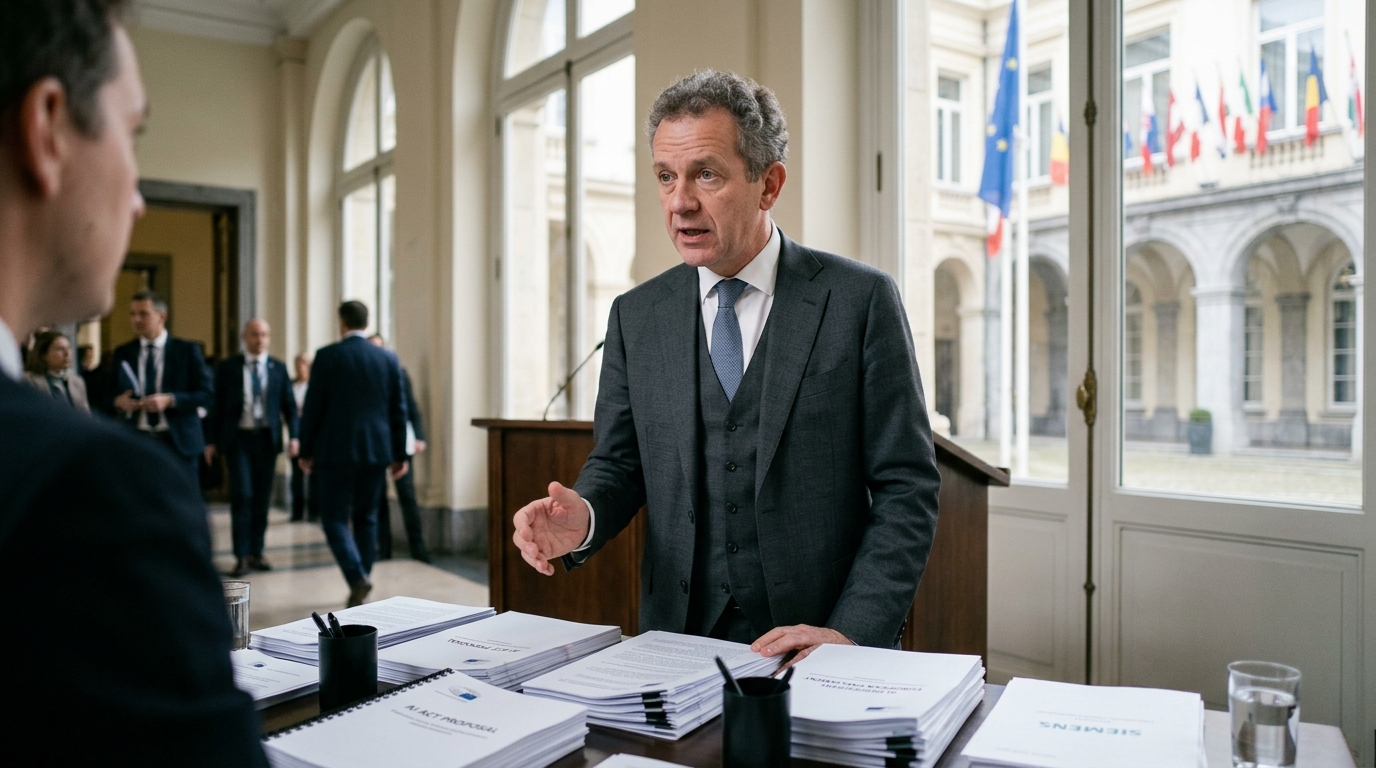
The European Union stands at a critical juncture where its ambition to lead the world in ethical Artificial Intelligence (AI) is clashing head-on with the practical needs of its industrial backbone. The recent warning from Siemens, a titan of European engineering and technology, is not merely corporate posturing; it is a strategic plea for survival. According to Roland Busch, CEO of Siemens, the rules established under the EU AI Act risk creating a regulatory environment so stifling that investment will naturally migrate toward more permissive markets, namely the United States and China.
The Paradox of European Regulation
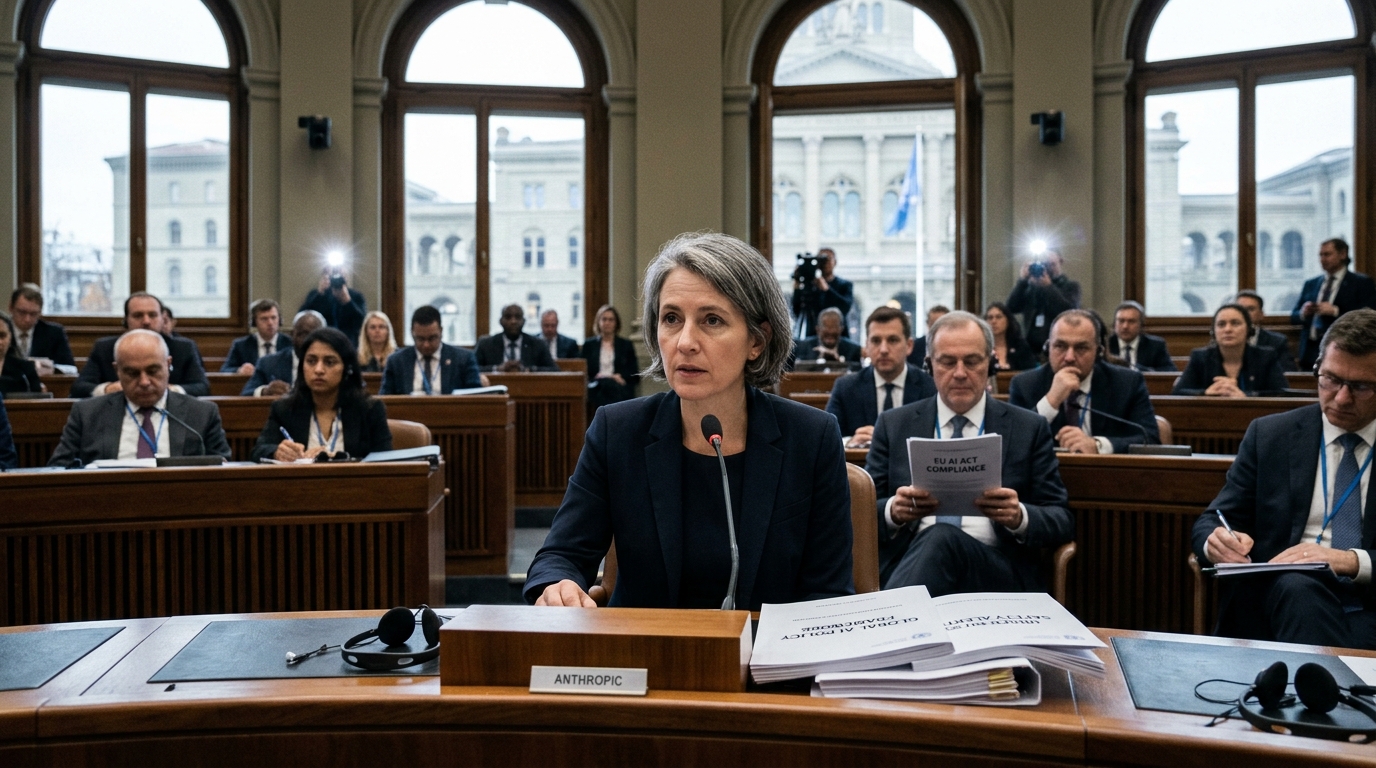
Europe has a storied history of setting global standards—the so-called "Brussels Effect"—as evidenced by the success of GDPR. However, AI is fundamentally different from data privacy; it is the primary engine of the next industrial revolution. Siemens argues that excessive regulation, particularly regarding General-Purpose AI (GPAI) models, imposes disproportionate burdens on companies trying to integrate AI into manufacturing, energy, and infrastructure. The issue isn't the existence of rules, but their rigidity. When a company must navigate labyrinthine certification processes for every algorithmic update, the pace of innovation slows to a crawl.
- High compliance costs for Small and Medium Enterprises (SMEs).
- Ambiguity in the classification of "high-risk" AI systems.
- Risk of a massive brain drain to more innovation-friendly jurisdictions.
- Weakening of the global competitiveness of European heavy industry.
Industrial AI vs. Consumer AI
A pivotal distinction emphasized by Siemens is the nature of the AI being deployed. While the public imagination is captured by chatbots and generative art, Siemens utilizes AI to optimize power grids, manage rail networks, and automate complex factory floors. In these sectors, safety and reliability are already governed by stringent industrial standards. Imposing an additional layer of horizontal EU regulation is seen by many industry leaders as a redundant hurdle. "You cannot regulate industrial AI with the same broad brush used for social media algorithms," industry experts argue, warning that Europe risks forfeiting its lead in the B2B (Business-to-Business) sector.
"Innovation needs room to breathe. If the regulatory air in Europe becomes too thin, the creators will simply move to where the atmosphere is clearer," noted a prominent market analyst.
The Geopolitical Dimension and the Investment Gap
The warning from Siemens arrives as the EU attempts to bolster its "strategic autonomy." Yet, AI funding in Europe remains a fraction of what is seen in Silicon Valley. Investors are inherently allergic to uncertainty. The AI Act, despite its noble intentions to protect fundamental rights, creates a "legal minefield." For a venture capitalist or a corporate board, the prospect of fines reaching up to 7% of global turnover is a deterrent that cannot be overlooked. Unless Europe finds a balance, it may end up as the world's premier regulator of technologies that are entirely owned and developed by foreign entities.
Conclusion and Future Outlook
The intervention by Siemens must be a wake-up call for the European Commission. The challenge for Brussels is to transform the AI Act from a set of restrictive barriers into a framework that fosters "responsible innovation." This requires reducing red tape for low-risk applications and establishing clear, expedited pathways for industrial solutions. Europe possesses the intellectual talent and the industrial base to be a global leader; what it currently lacks is the political courage to trust its industries as much as it trusts its regulators. The future of the European economy depends on whether AI is viewed as a catalyst for growth or a threat to be contained.