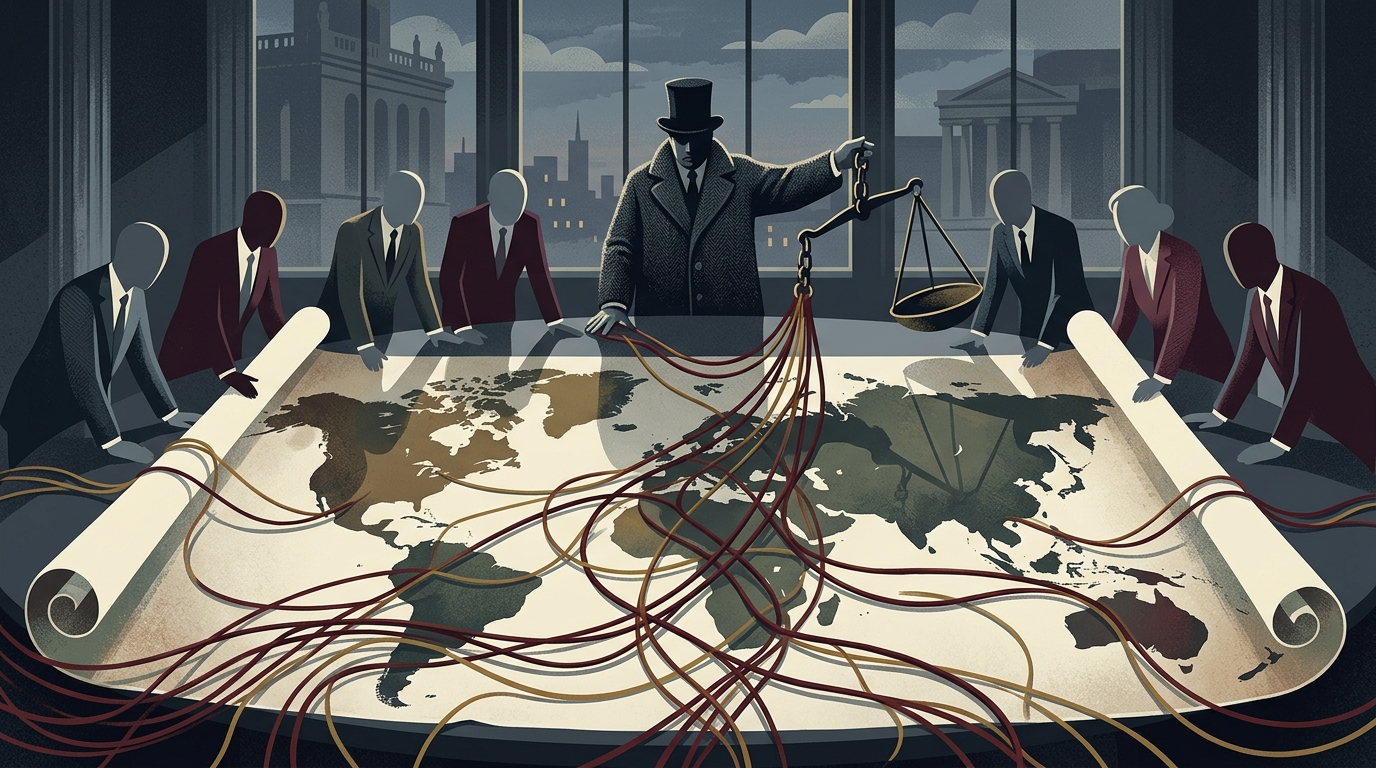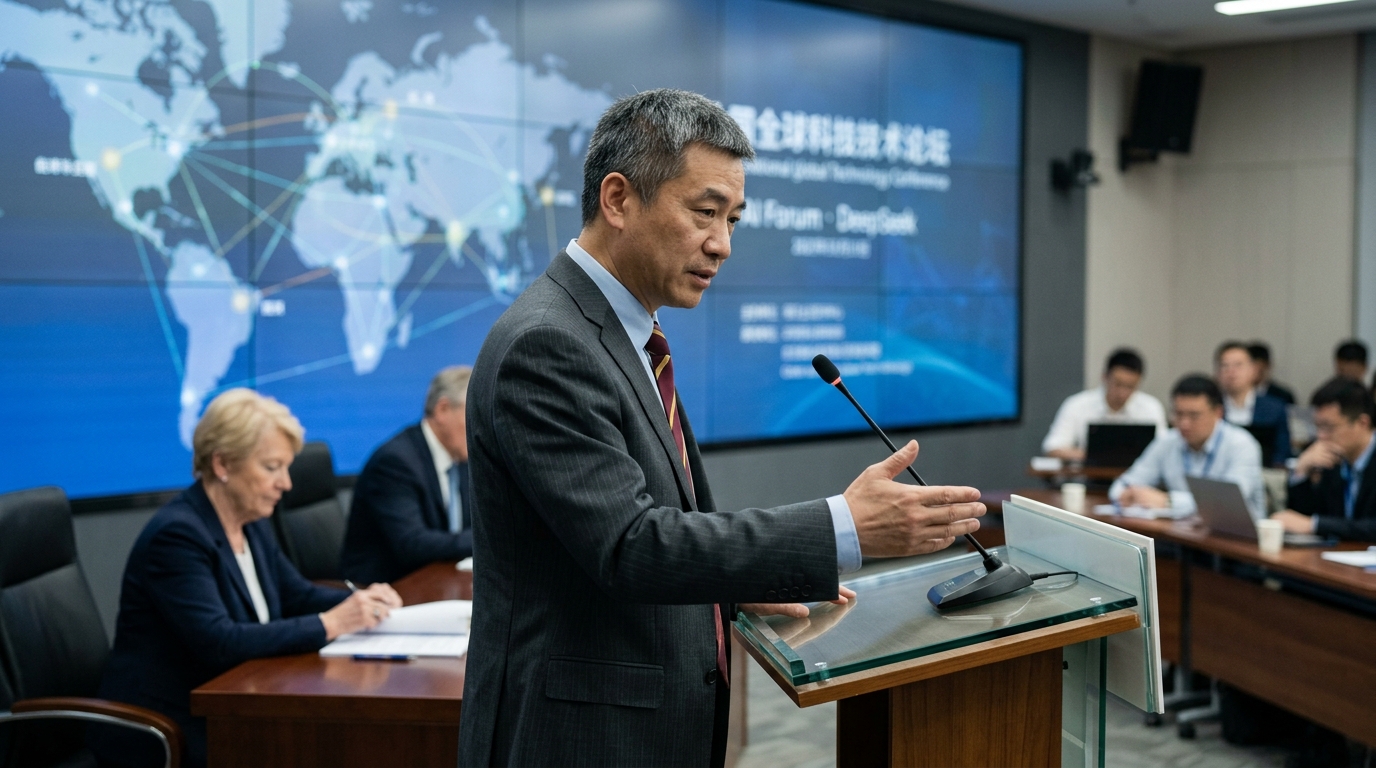
In the high-stakes theater of global artificial intelligence, DeepSeek is no longer just a participant; it has become the vanguard of a broader geopolitical strategy. Recent reports that the company is developing its own autonomous coding tool, modeled after Anthropic’s Claude Code, represent more than just a product launch. It is the clearest manifestation yet of Beijing’s ambition to construct a "whole stack" of AI technologies—independent, resilient, and entirely decoupled from Western influence and U.S. sanctions.
DeepSeek, based in Hangzhou and backed by the quantitative trading giant High-Flyer, has already disrupted the industry with its DeepSeek-V3 and R1 models. These releases proved that algorithmic ingenuity could effectively compensate for the lack of access to Nvidia’s top-tier H100 and B200 chips. Now, by targeting AI-driven software engineering, the company is aiming for the juggernaut of productivity, a domain where Anthropic and OpenAI were previously thought to be unassailable.
The 'Whole Stack' Ambition and Geopolitical Survival
For Beijing, artificial intelligence is not merely an engine for economic growth; it is the ultimate tool for national security and strategic autonomy. The "whole stack" strategy encompasses every layer of the technological pyramid: from domestic semiconductor design (led by the likes of Huawei and Biren) and deep learning frameworks, to large language models (LLMs) and end-user applications. DeepSeek’s development of a Claude Code competitor is the final, critical piece of this sovereign puzzle.
Dependency on Western development tools like GitHub Copilot or Claude Code poses a significant risk to China's long-term stability. A sudden severance of access due to escalating export controls could paralyze the domestic software industry. By fostering a home-grown alternative, DeepSeek ensures that Chinese developers have access to cutting-edge tools optimized for local hardware and, crucially, shielded from external geopolitical leverage.
DeepSeek vs. Anthropic: The Battle for Autonomous Coding
Anthropic’s Claude Code stunned the tech world with its ability to navigate complex codebases, debug intricate errors, and implement features with minimal human oversight. DeepSeek appears to be following a similar trajectory but with a distinct advantage: efficiency per compute unit. DeepSeek’s models are famously optimized to run on less powerful hardware, making them perfectly suited for China’s current environment where high-end GPUs are a scarce and precious resource.
This move also carries profound economic weight. Programming is the first professional field where AI is delivering radical leaps in productivity. If China can dominate AI-assisted coding, it could accelerate the development of all other digital sectors—from financial technology to advanced defense systems—effectively leapfrogging the barriers imposed by Western trade restrictions.
The Paradox of Open vs. Closed Innovation
One of DeepSeek’s most intriguing characteristics is its relationship with the open-source community. While American AI giants are increasingly pivoting toward proprietary, "closed" models, DeepSeek has released significant portions of its research and model weights. This is not merely a contribution to global science; it is a strategic play to build a global ecosystem anchored in Chinese standards.
However, the pressure from Beijing for total information control remains an ever-present shadow. The challenge for DeepSeek will be to maintain its breakneck pace of innovation while adhering to China’s rigorous censorship and content regulation frameworks. While coding is less politically sensitive than natural language generation, the ability of an AI to "reason" and solve problems independently remains a frontier that the Chinese Communist Party monitors with extreme scrutiny.
Conclusion: Toward a Bipolar AI World
DeepSeek’s endeavor to build its own Claude Code is the most definitive sign to date that the world is drifting toward technological bipolarity. On one side stands a U.S.-led ecosystem featuring OpenAI, Anthropic, and Google. On the other, a Chinese ecosystem centered around DeepSeek, Huawei, and Baidu.
DeepSeek’s ultimate success will depend on whether it can continue to out-innovate Western restrictions. If the "Chinese Claude Code" proves to be an equal or superior alternative, the global balance of power in technology will have shifted permanently. China would no longer be a mere fast-follower but a primary architect of the future of computing, signaling the end of Western digital hegemony.