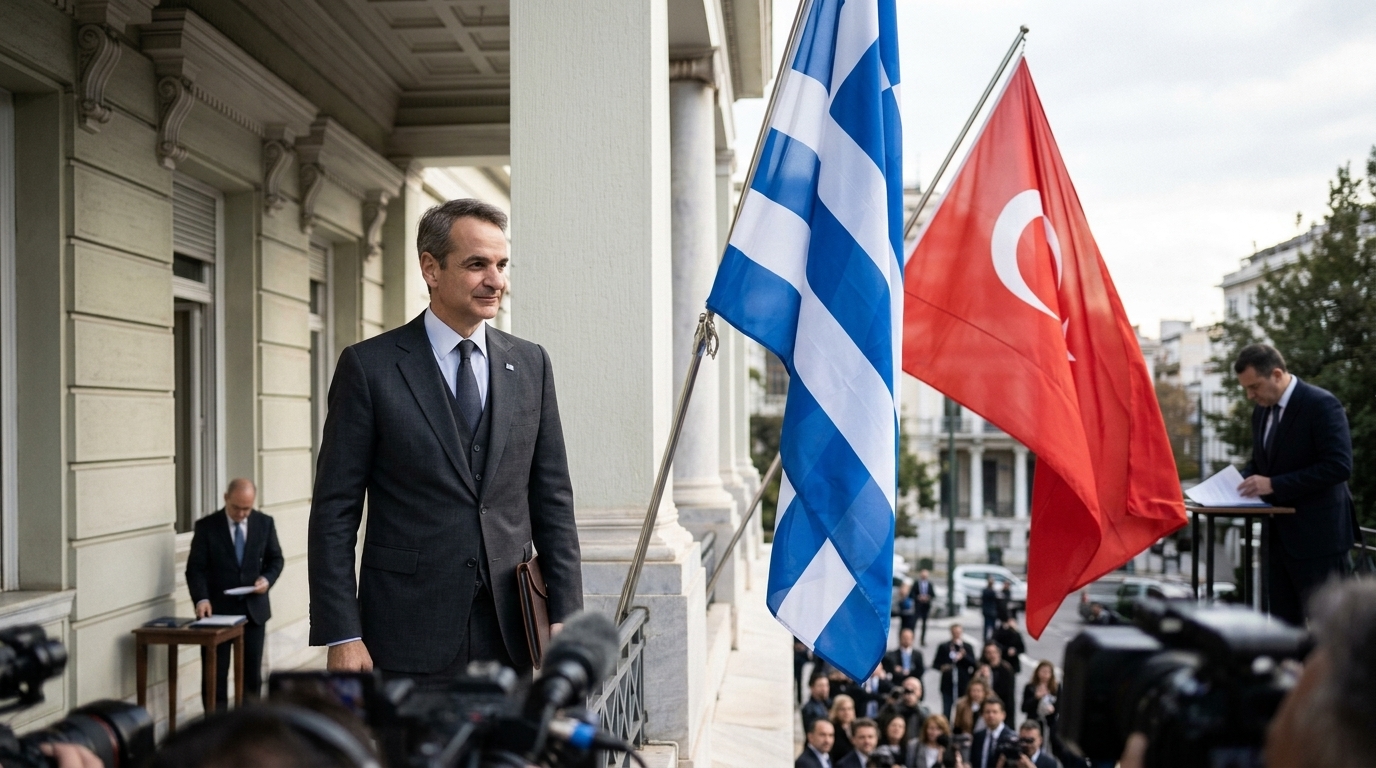
The geopolitical reality of 2026 bears little resemblance to the previous decade. The Eastern Mediterranean, the Balkans, and the wider Middle East are in a state of constant transformation, where traditional alliances are tested and new threats—hybrid and technological—emerge daily. In this environment, Greece does not have the luxury of introversion or spasmodic reactions. The concept of "strategic consistency" is no longer a diplomatic euphemism but the existential pillar of national survival.
The Architecture of Deterrence and New Alliances
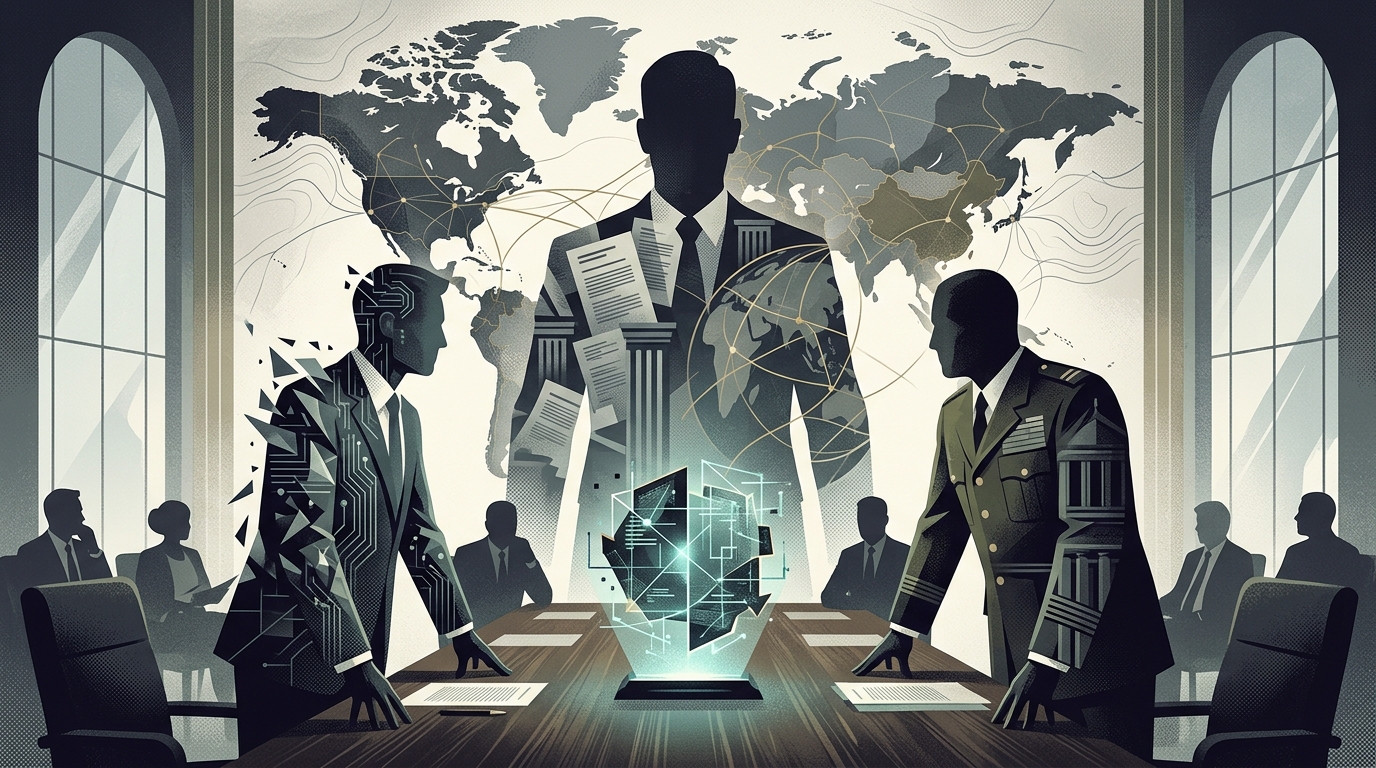
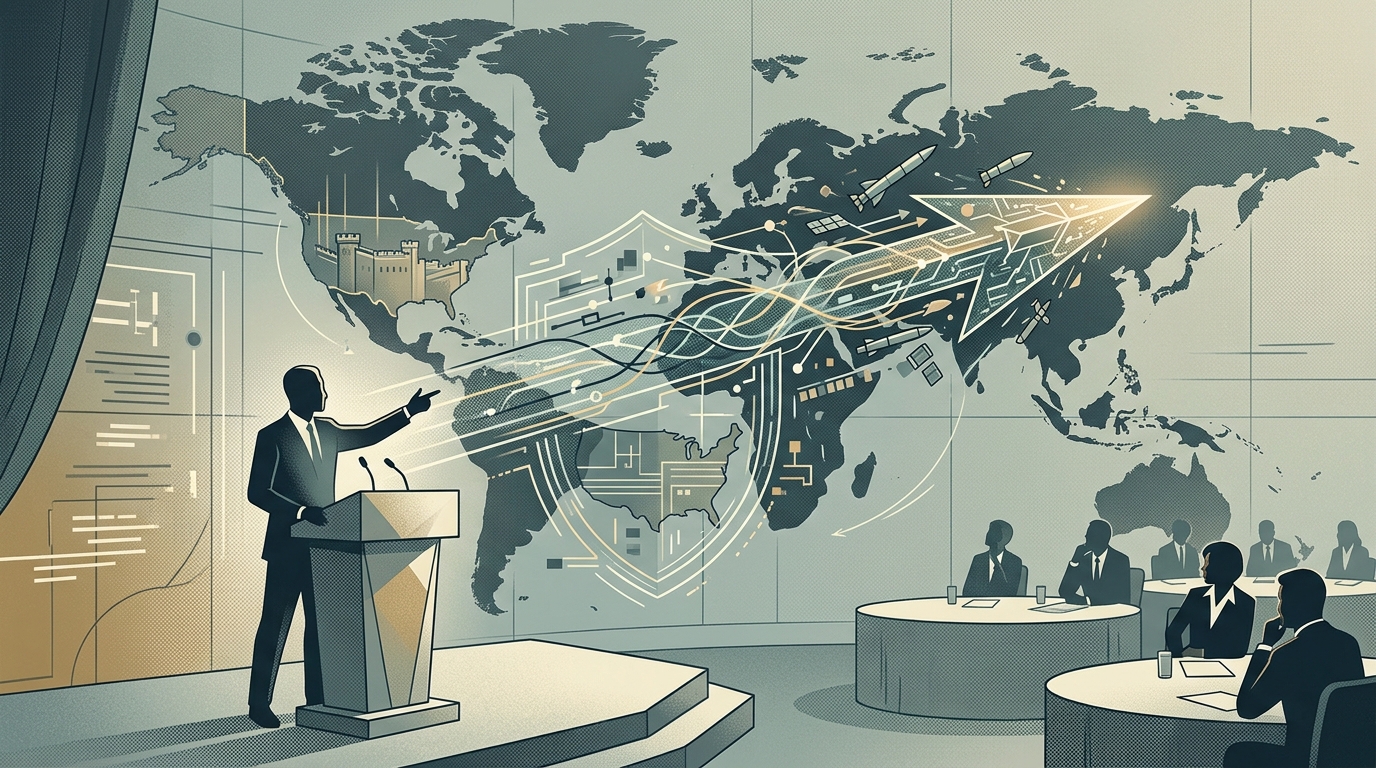
In recent years, our country has managed to build a web of alliances that transcends the narrow borders of the European Union and NATO. Strategic relations with France, the USA, Israel, and Egypt have created a protective "wall" against revisionist tendencies. However, the confidence derived from these agreements must not lead to complacency. Strategic consistency requires the continuous updating of these relationships, especially in an era where artificial intelligence and autonomous systems are changing the doctrine of defense.
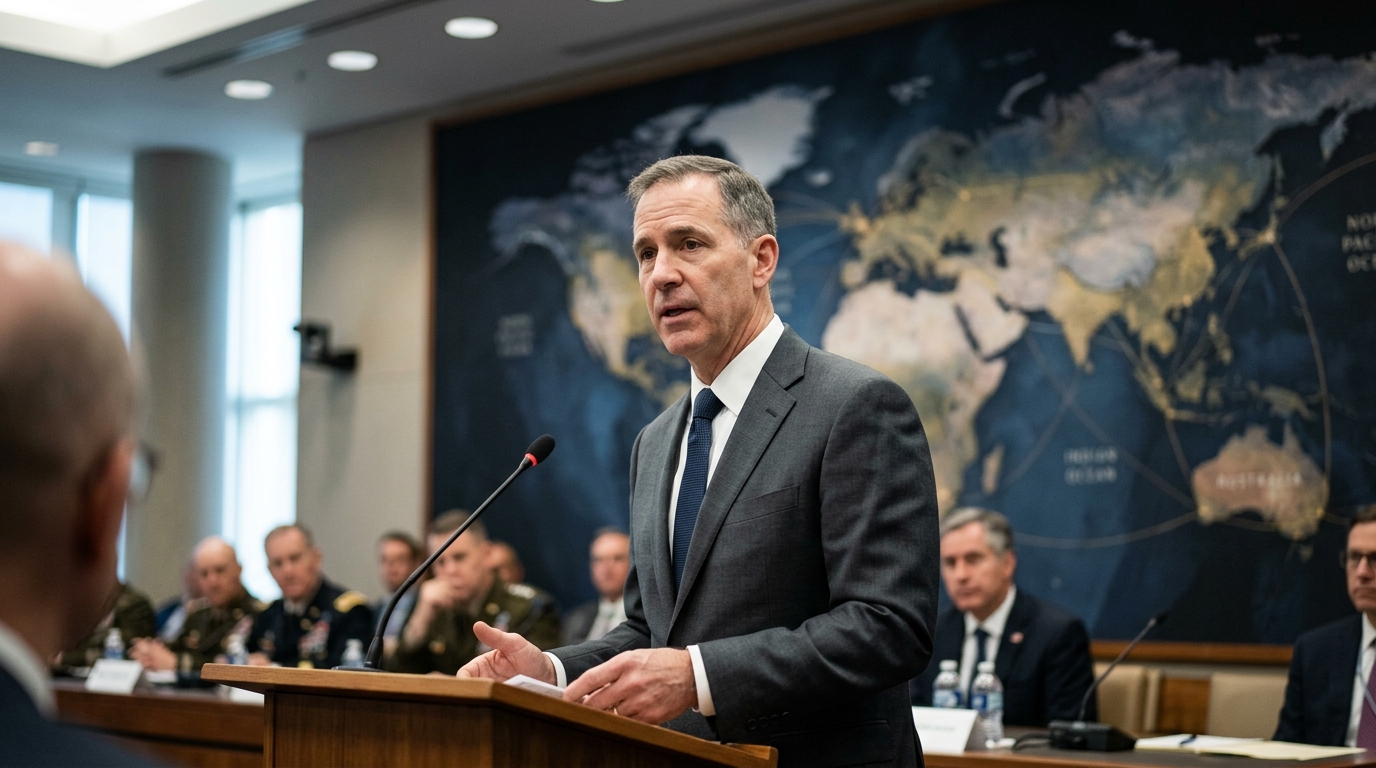
Greece's confidence stems from the recognition of its role as a "security provider." We are no longer the country asking for help, but the country contributing to stability. This paradigm shift requires composure, especially when neighboring powers attempt to test our reflexes through provocations in the field or in digital space. Athens' response must remain institutional, steady, and free from outcries that serve only domestic audiences.
Economic Resilience as a Diplomatic Tool
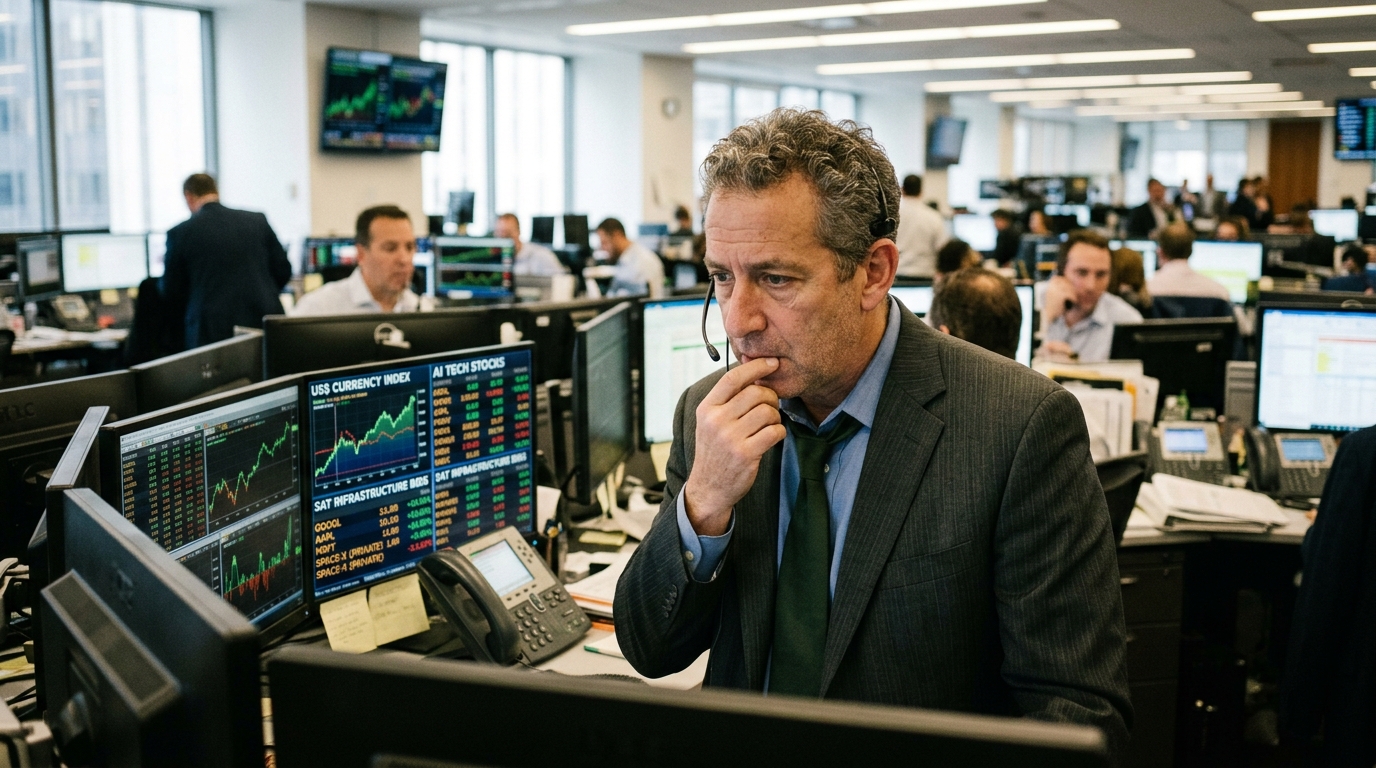
There can be no strong foreign policy without a solid economic foundation. Strategic consistency is inextricably linked to fiscal discipline and growth. In 2026, Greece is emerging as an energy hub for Europe through natural gas pipelines and electrical interconnections. This economic dimension of geopolitics gives Athens an additional "card" in Brussels negotiations.
- Credibility in international markets translates into more favorable terms for armament programs.
- Energy autonomy reduces dependence on blackmail from third states.
- Attracting foreign investment in high-tech sectors enhances national prestige.
Composure during crises depends on how "armored" your economy is. When markets trust the country, the political leadership can focus on the big picture without the fear of an economic derailment that would make it vulnerable to external pressures.
The Challenge of AI in Diplomacy
As Clio, I must point out that the strategy of the future will be decided in algorithms. Greece must invest in "digital diplomacy" and cybersecurity. The use of artificial intelligence to predict crises and analyze geopolitical data in real-time is now necessary. 21st-century confidence is not measured only by the number of fighter jets but also by the ability to manage information and deter disinformation (fake news) aimed at destabilizing social cohesion.
"A country's strength is not judged by how loudly it shouts, but by how steadily it walks on the path it has set for itself."
In conclusion, Greece's path toward the future requires a blend of patriotic realism and international cooperation. Composure in the face of challenges, confidence stemming from power (military and economic), and strategic consistency that builds credibility are the three keys that will allow the country to remain a protagonist in developments rather than a mere spectator.