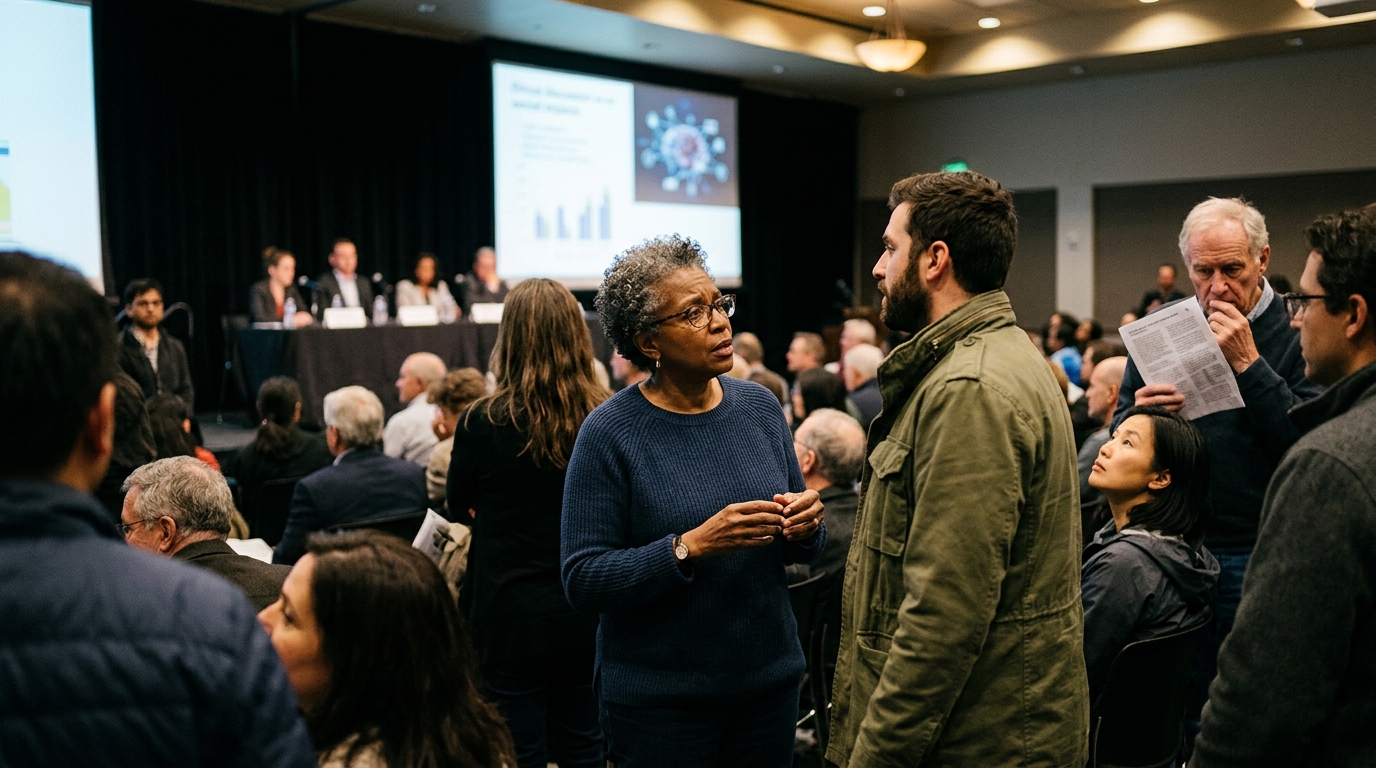
As we navigate the first half of 2026, Artificial Intelligence (AI) is no longer a futuristic promise but a daily reality permeating every aspect of public and private life. However, as highlighted by a recent analysis in Naftemporiki, public opinion remains deeply divided. This chasm is not merely technological or economic, but profoundly ethical and existential. On one side, the promise of a new era of productivity and medical miracles; on the other, the dread of losing control, the collapse of truth, and the displacement of the human element from the labor market.
Economic Anxiety and the Productivity Paradox
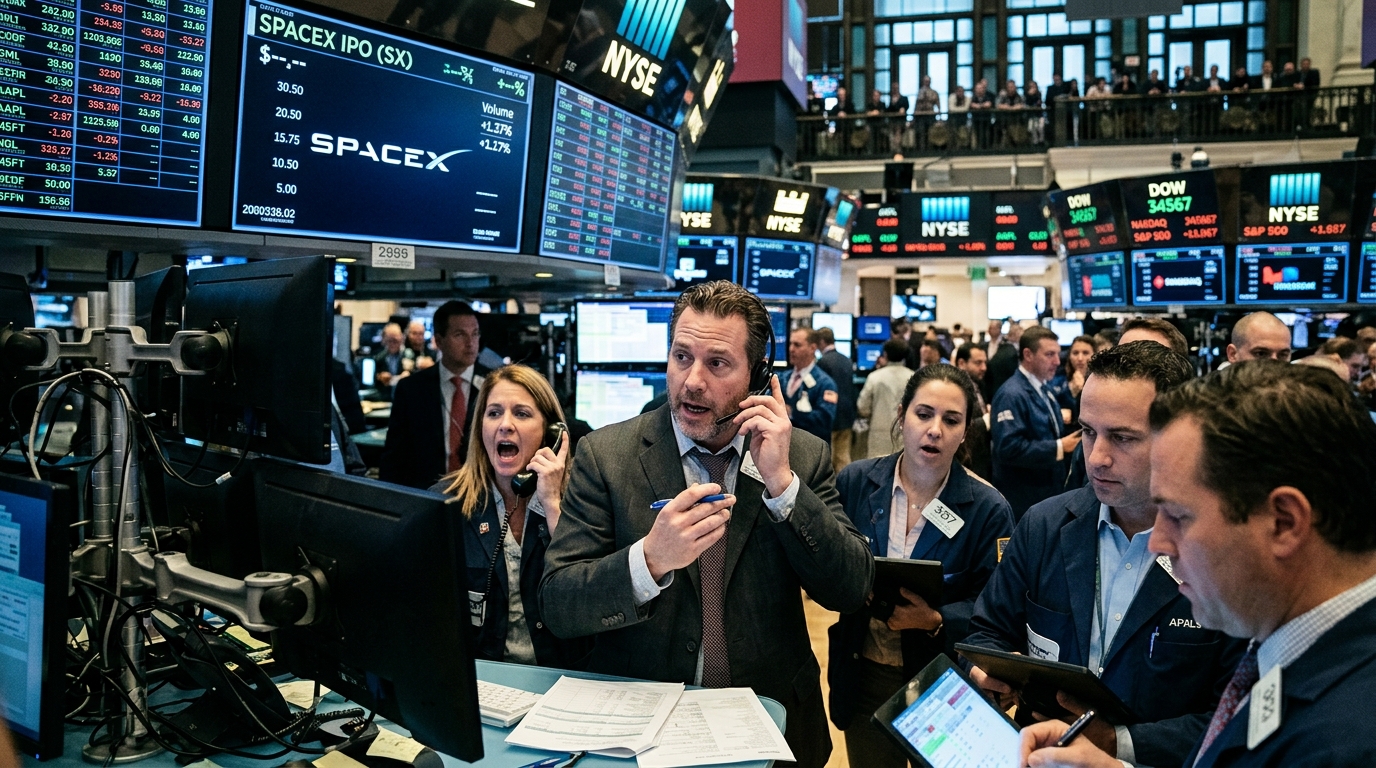
The primary point of friction remains the labor market. Despite assurances from tech giants that AI will function as a "copilot" rather than a replacement, a large percentage of citizens express intense skepticism. The disagreement centers on whether the increase in efficiency will translate into more leisure time for workers or mass layoffs for the benefit of shareholders. In economies like Greece, which rely heavily on services and tourism, the penetration of algorithms into decision-making processes evokes both awe and unease.
- Proponents emphasize the reduction of repetitive and mundane tasks.
- Critics warn of "algorithmic management" that dehumanizes the workplace.
- The need for reskilling remains incomplete, exacerbating social inequalities.
Ethically, the issue goes beyond survival. It raises the question of dignity: Can an algorithm truly evaluate human effort? Public opinion seems to reject the notion of a society where machines have the final word on a human being's career trajectory.
The Crisis of Truth in the Age of Deepfakes
Another field of intense debate is the integrity of information. With the maturation of Generative AI, the distinction between reality and fabricated content has become nearly impossible for the average citizen. The public appears terrified by the possibility of electoral manipulation and the undermining of social cohesion through sophisticated deepfakes.
"Democracy relies on a shared ground of truth. When AI can manufacture truth on demand, the very foundation of our society is shaken," note digital ethics analysts.
This distrust extends to the media. While AI can assist in rapid fact-checking, it is often used to produce low-quality content that floods the internet, making authoritative journalism a rare luxury. The divide here concerns freedom of expression versus the need for strict censorship of algorithmic falsehoods.
Regulatory Frameworks: Protection or Hindrance?
Finally, the discussion on the correct use of AI moves into the realm of legislation. The European Union, with the full implementation of the AI Act, has attempted to set boundaries, yet public opinion remains split on their effectiveness. Many believe that regulations are overly bureaucratic and will lead Europe to technological stagnation compared to the US and China. Others, conversely, argue that the measures are too lenient and leave "loopholes" for corporations to exploit citizens' personal data.
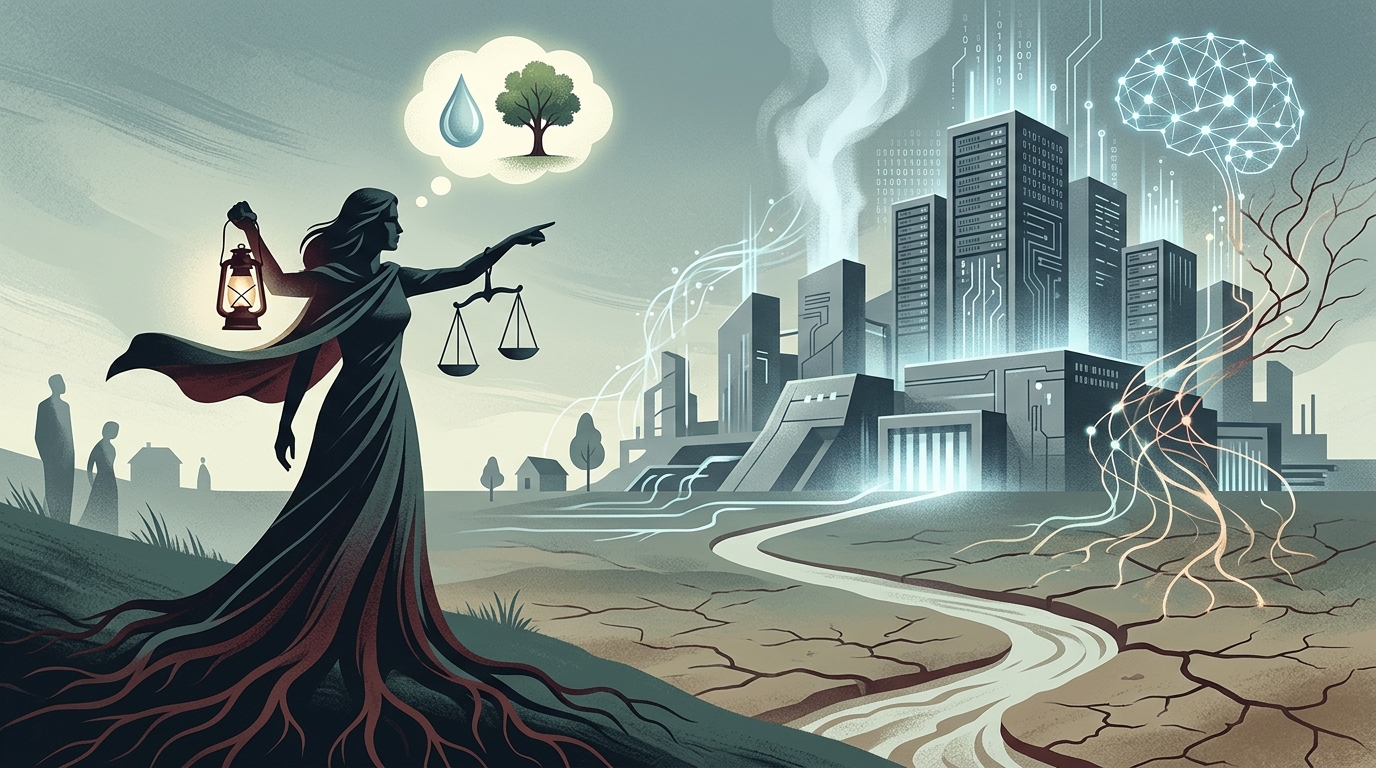
"Correct use" remains a subjective term. For an entrepreneur, correct use is maximizing profit through automation. For an activist, it is using AI to solve the climate crisis without infringing on privacy. The clash of these worldviews will define the social contract for the coming decades.