The global technological chessboard is vibrating from a new, quiet, yet decisive move by Beijing. According to recent reports, the Chinese government has begun implementing strict overseas travel restrictions for top scientists and engineers working in the field of Artificial Intelligence (AI). These controls directly target personnel at giants like DeepSeek, Alibaba, and other private high-tech firms, effectively turning human capital into high-level "state secrets."
The Strategic Value of DeepSeek and the New Doctrine
The rise of DeepSeek, which in early 2025 and 2026 proved it could produce world-class AI models at a fraction of the cost of its American competitors, has changed the calculus. For Beijing, DeepSeek is no longer just a successful startup; it is proof of Chinese superiority in computational efficiency. Protecting this advantage requires, in the eyes of the Chinese Communist Party leadership, preventing any possibility of a "brain drain" to Silicon Valley.
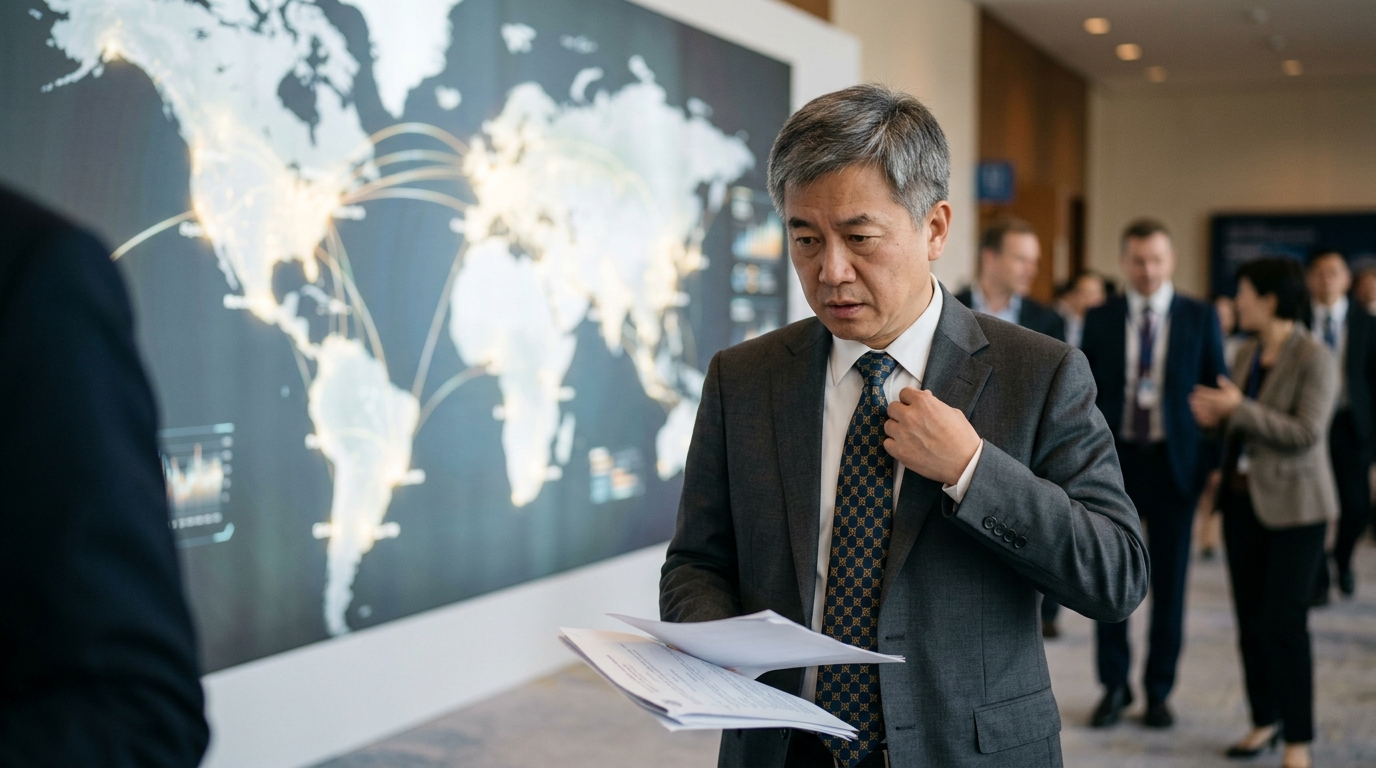
New regulations require employees in critical AI sectors to seek special permission for leisure or business travel outside China. In many cases, applications are rejected without clear justification, while in others, employees are required to hand over their passports to corporate HR departments—a practice previously reserved mainly for government officials and executives at state-owned enterprises (SOEs).
The Digital Iron Curtain
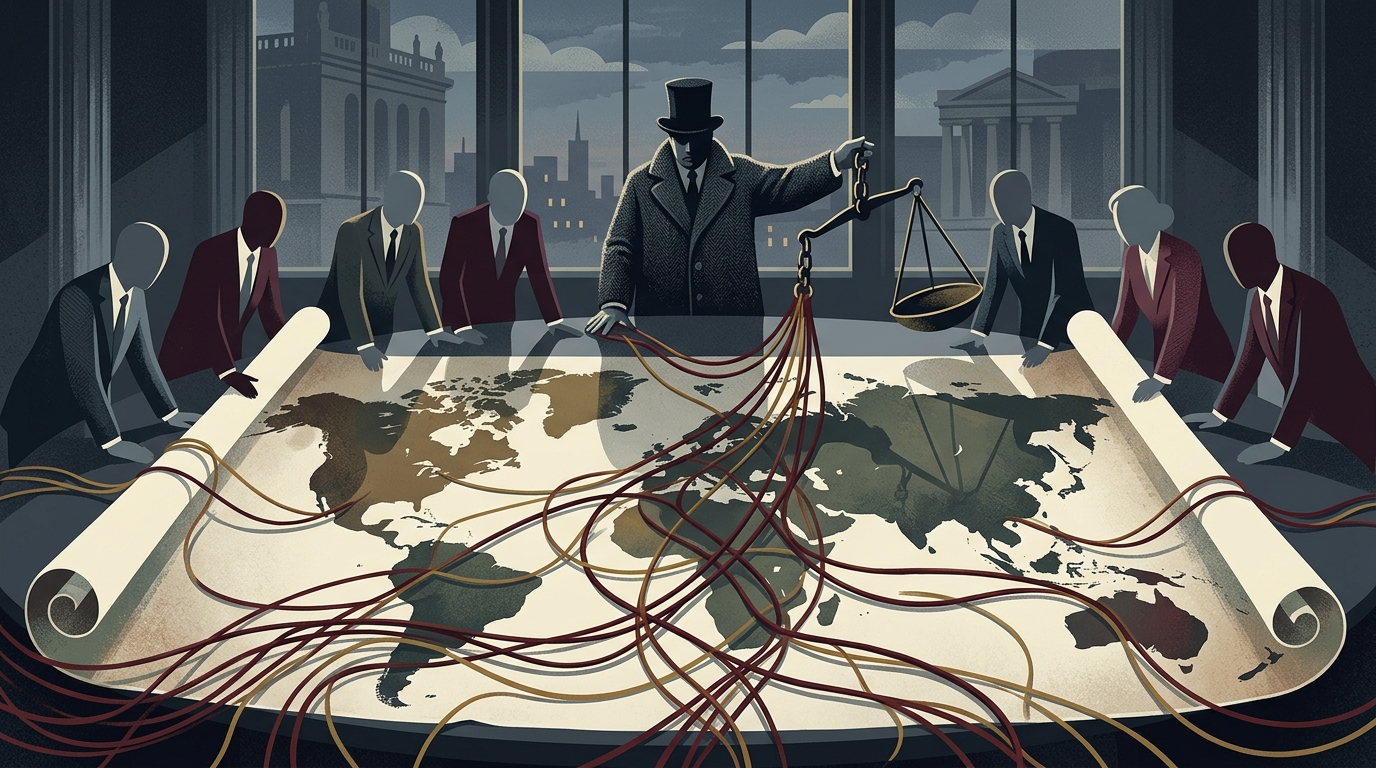
This move signals the consolidation of a "Digital Iron Curtain." While the West attempts to contain China through export controls on Nvidia chips, China is responding by restricting the export of knowledge itself. Analysts point out that Washington and Beijing are now on a trajectory of total decoupling, where talent is treated as a strategic reserve, akin to oil or uranium.
- Tightening of visa issuance procedures for researchers attending international conferences.
- Mandatory reporting of contacts with foreign nationals during authorized travels.
- Enforcement of "non-compete" clauses that extend globally, backed by the Chinese judicial system.
This inward-looking turn, however, carries risks. AI science has traditionally relied on the open exchange of ideas and the publication of research papers. By isolating its top minds, China risks creating an ecosystem that, while secure, may become stagnant in the long run.
The Impact on the Private Sector
For Alibaba and Tencent, the situation is complex. On one hand, these companies wish to maintain Beijing's favor to avoid regulatory crackdowns. On the other, their inability to offer employees the freedom of movement enjoyed by peers at Google or Meta makes talent retention extremely difficult.
"We aren't just locking up people; we are locking up innovation," says an anonymous tech executive from Shanghai.
In the past, programs like the "Thousand Talents Plan" aimed to repatriate scientists from abroad. Today, the policy has inverted: the goal is no longer just to bring them in, but to ensure they never leave again. The geopolitics of AI is no longer just about code and algorithms; it is about the very bodies and lives of those who create them.