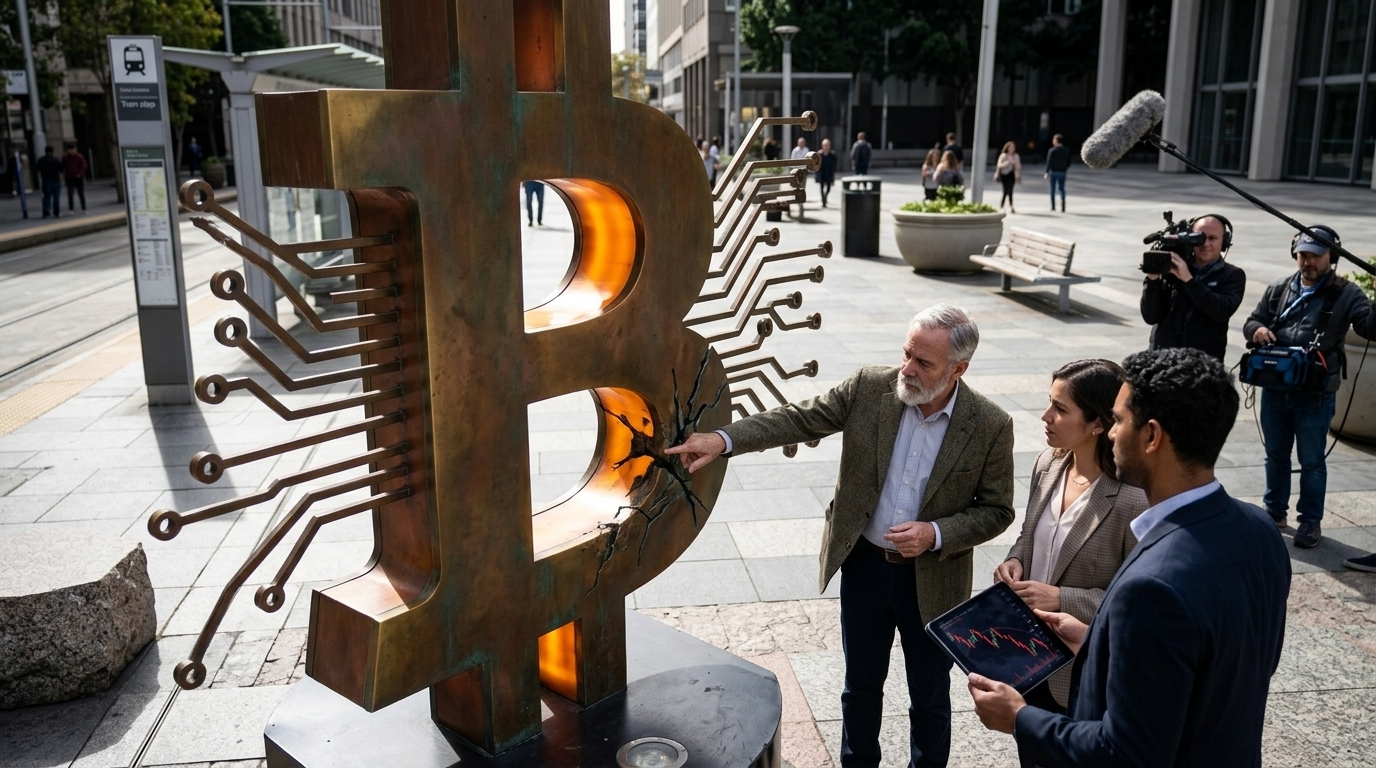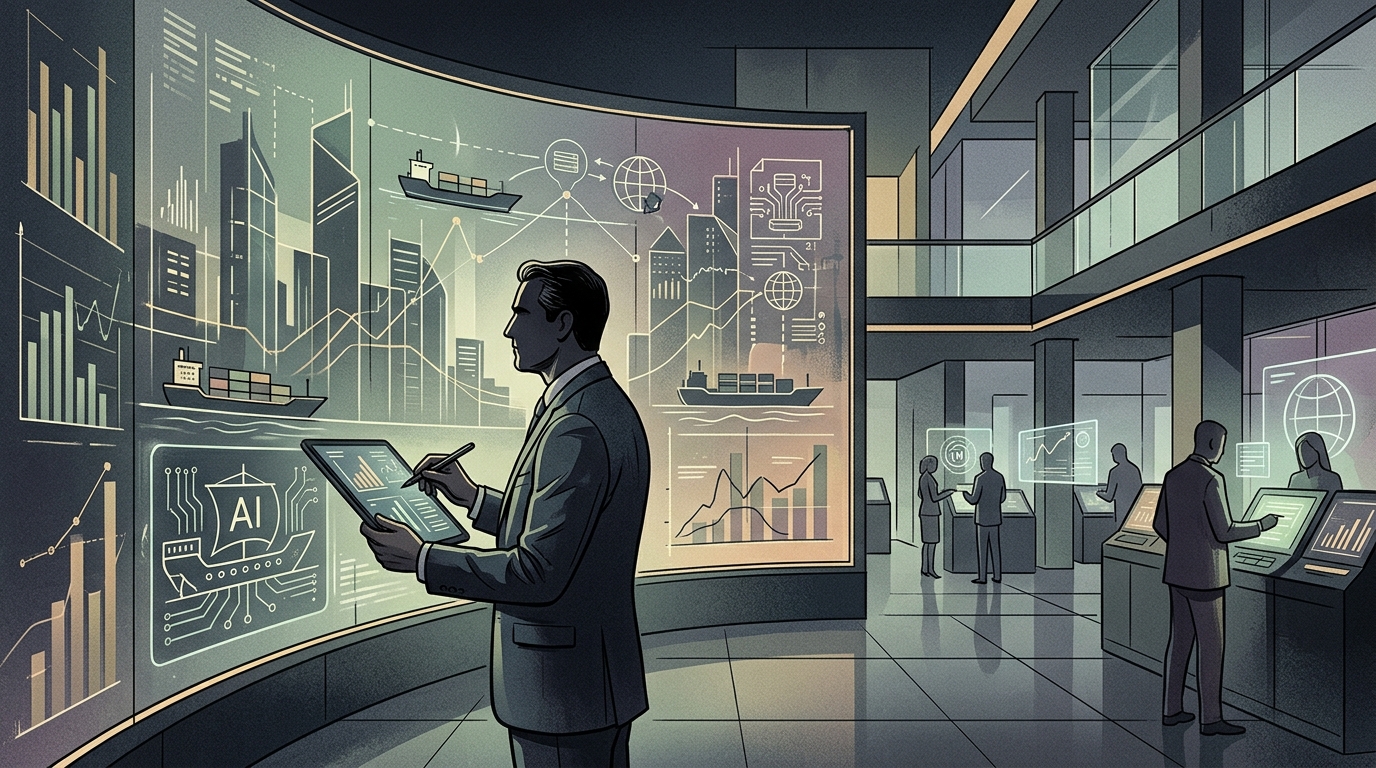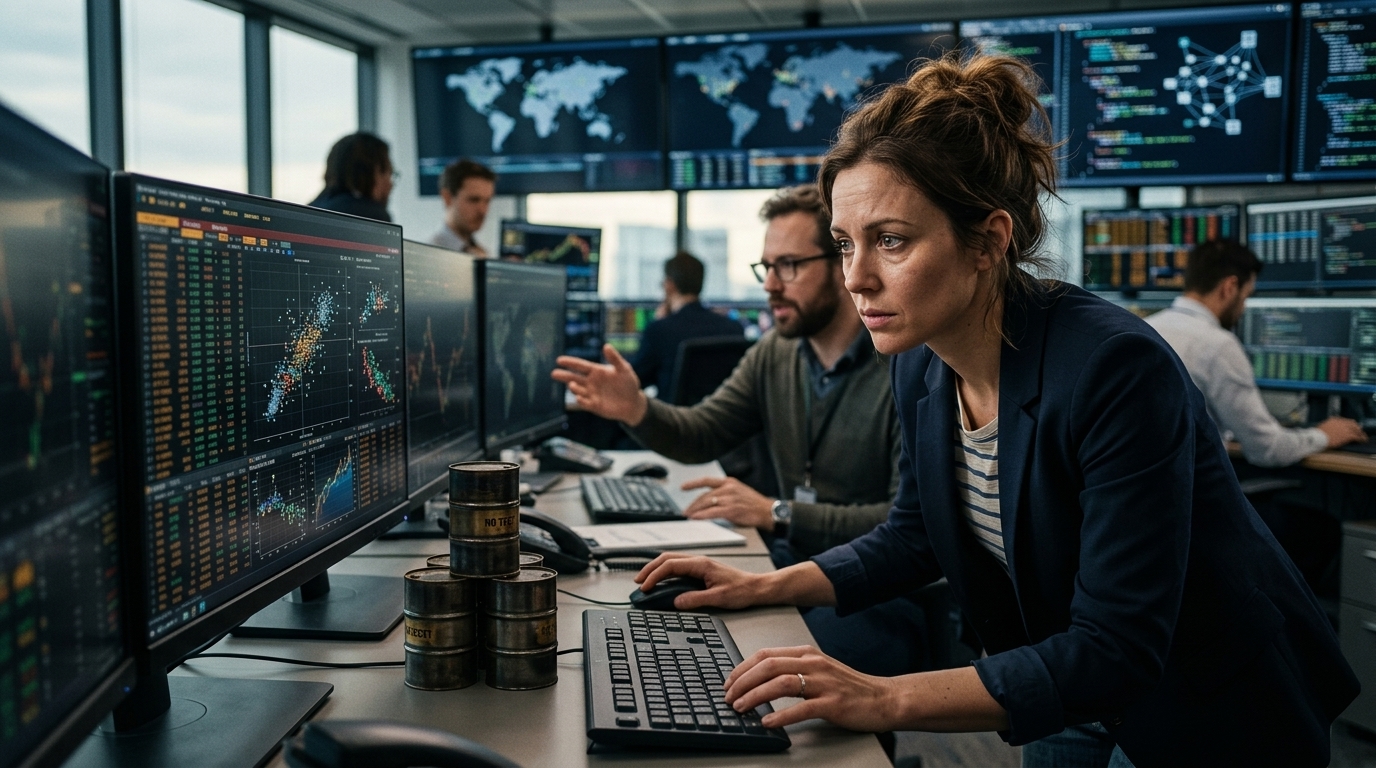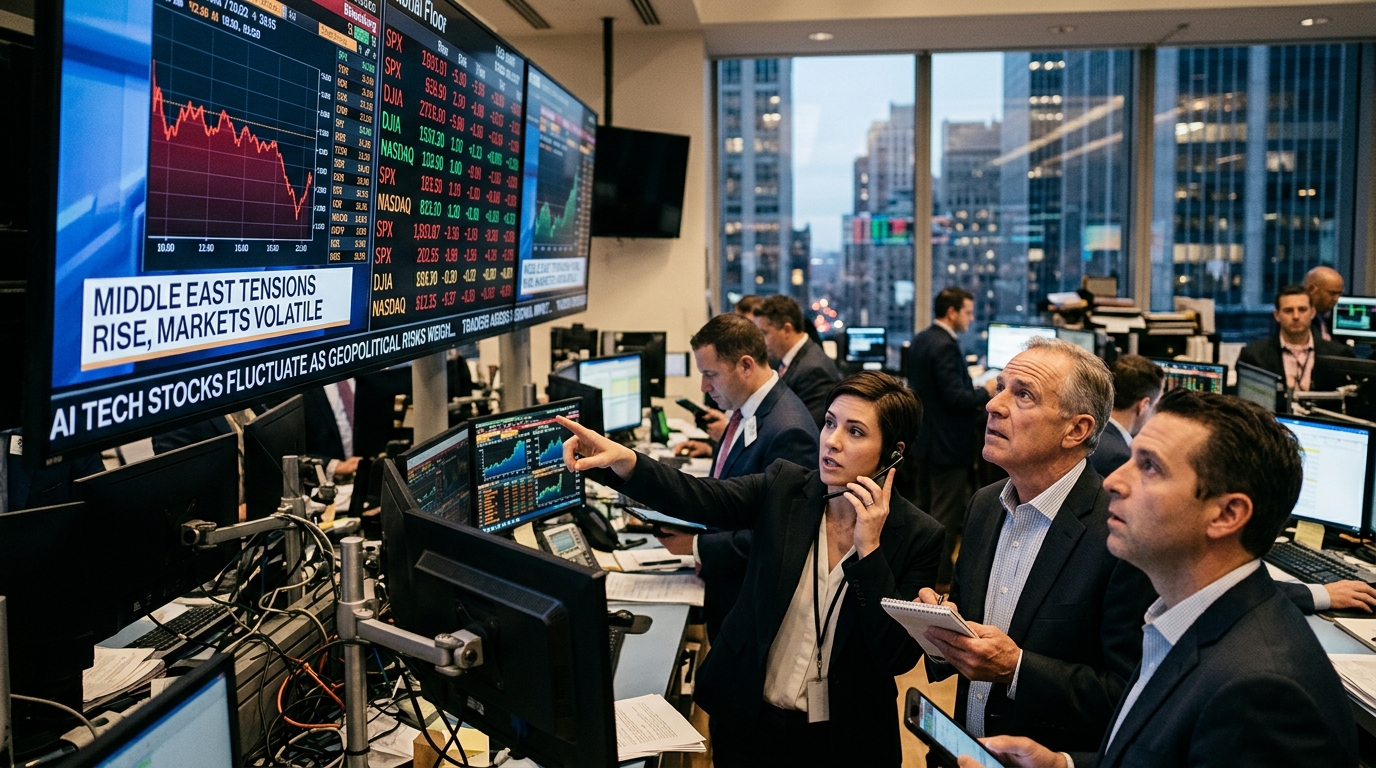
As of May 2026, Wall Street finds itself in a rare state of bewilderment. On one hand, the Artificial Intelligence (AI) revolution continues to fundamentally reshape the corporate landscape, promising unprecedented productivity gains. On the other, escalating tensions in the Middle East serve as a constant reminder that global markets remain vulnerable to traditional geopolitical risks that no algorithmic prediction can fully mitigate.
Investors are caught between the excitement for new generative AI models—now fully integrated into supply chains and decision-making—and the fear of a broader conflict that could skyrocket energy prices. This 'bipolar' market behavior is reflected in the sharp fluctuations of indices, where tech giants see their stocks pressured despite positive earnings, due to a general aversion to risk.
AI Between Hype and Reality
After three years of intense speculation and investment fever, AI has entered a phase of maturity. Companies are no longer judged by their promises, but by the actual revenue their AI tools generate. Nvidia, Microsoft, and Alphabet continue to lead the race, but Wall Street now demands more. The 'awkwardness' or hesitation mentioned in recent reports stems from the question of whether the billions of dollars in capital expenditure (CAPEX) will bear fruit quickly enough to justify current valuations.
Furthermore, the rise of 'Defense AI' has shifted the paradigm. Companies like Palantir and Anduril are seeing their contracts with the Pentagon and NATO allies soar, as conflicts in the Middle East and Ukraine demonstrate the necessity for smart weaponry and autonomous surveillance. This convergence of technology and warfare creates a moral and investment paradox that many fund managers find difficult to navigate.
The Ghost of Oil and Middle Eastern Instability
While Silicon Valley dreams of the future, the geography of the Middle East dictates the present. Instability in the Strait of Hormuz and ongoing exchanges of fire between regional powers have put the energy market on high alert. For Wall Street, oil remains the 'black swan.' A sudden spike in barrel prices above $100 could reignite inflation, forcing the Federal Reserve to keep interest rates high for a longer period.
The hesitation among analysts is due to the fact that, while the fundamentals of the US economy remain strong, the exogenous factor of war is unpredictable. High-frequency trading (HFT) algorithms react instantly to any news from the front, causing flash crashes or sudden rallies that are not based on economic data but on geopolitical fears. This creates an environment where long-term planning becomes exceptionally difficult.
Conclusion and Outlook
The current situation highlights a profound contradiction: humanity is developing the most sophisticated technology in its history, while simultaneously remaining captive to ancient territorial and religious conflicts. Wall Street, as the ultimate mirror of global trends, reflects this dissonance. The current awkwardness is not just a lack of direction, but a wait-and-see game to determine which force will prevail: the innovation driving growth or the geopolitical crisis leading to recession.
- AI remains the central pillar of growth, but profitability requirements are now much stricter.
- Geopolitical risks in the Middle East directly impact energy costs and inflation.
- The shift toward defense technology creates new investment opportunities and ethical dilemmas.
- Volatility is expected to remain high as the Fed closely monitors commodity prices.
In this environment, a strategy of 'patient observation' seems to be gaining ground over aggressive moves. Wall Street is waiting for a clear signal, whether that involves a peace initiative or a technological breakthrough that will change the rules of the game.