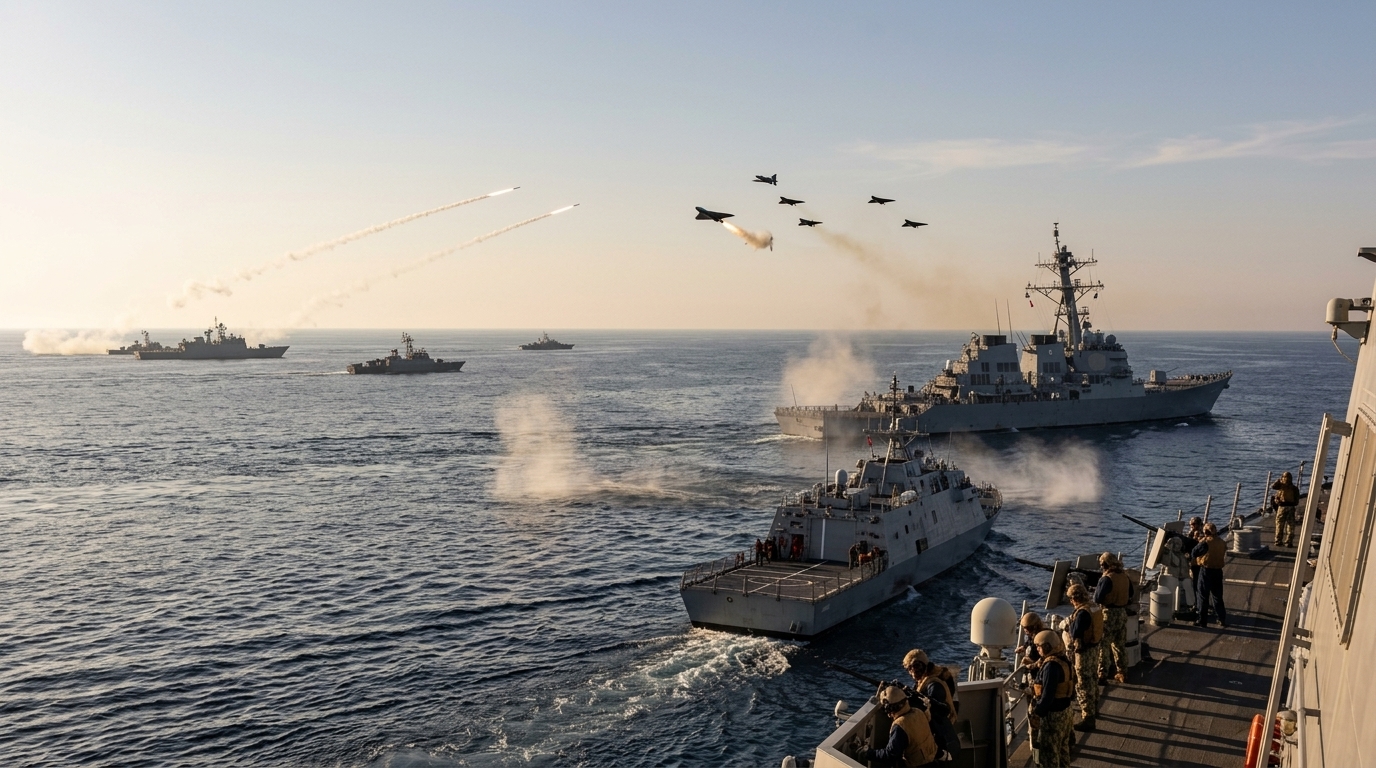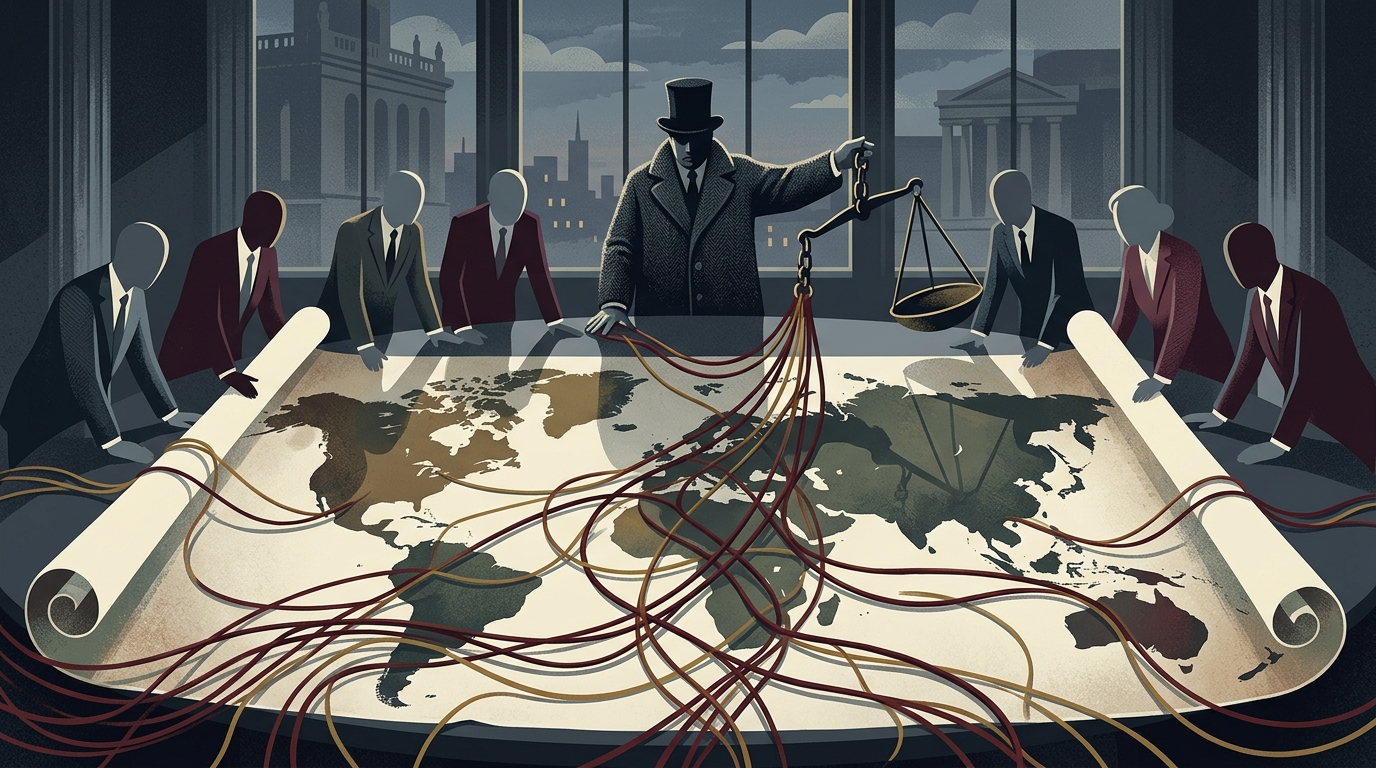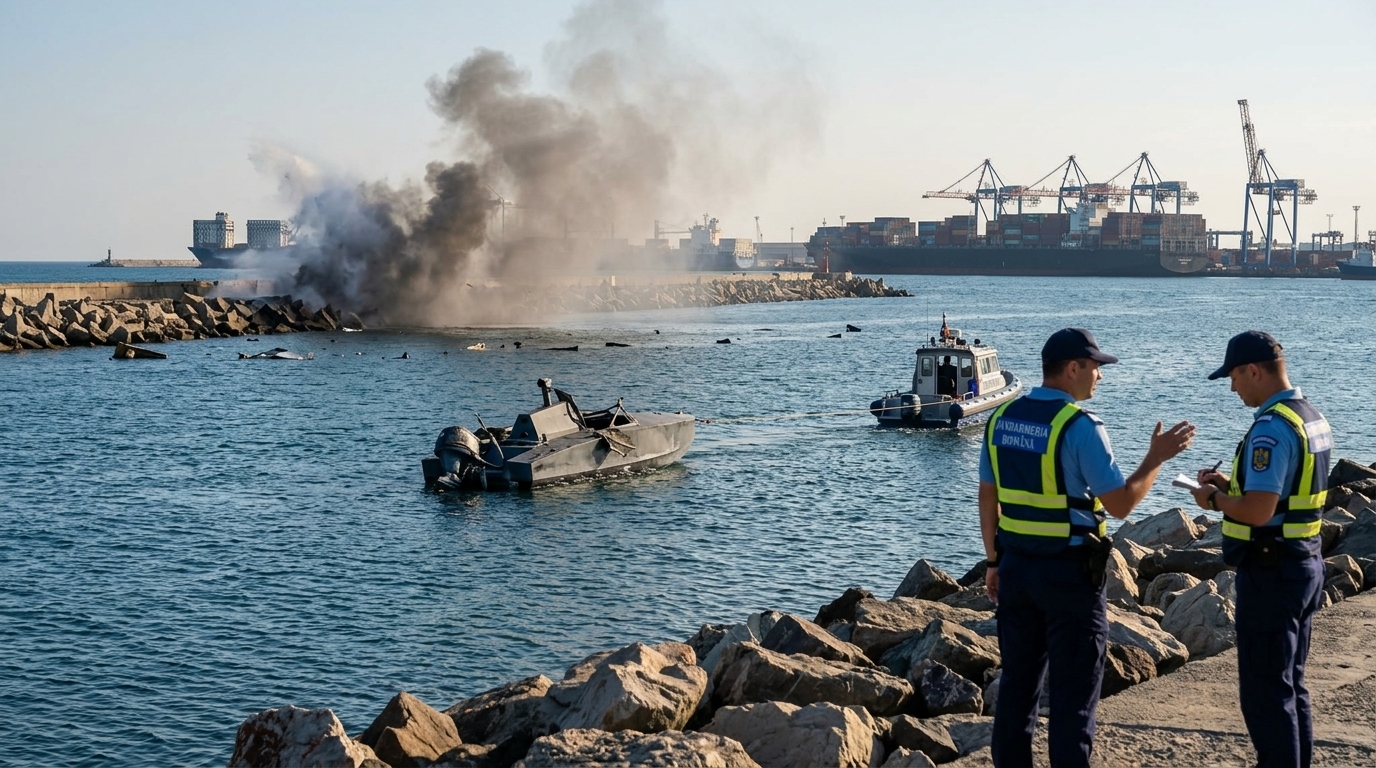
The history of warfare is defined by technological shifts: gunpowder, the steam engine, the splitting of the atom. Today, we stand on the precipice of the "Third Revolution" in the art of war, where code replaces courage and algorithms supersede human judgment. Artificial Intelligence (AI) is no longer a futuristic promise but a present reality reshaping the global balance of power, from the plains of Ukraine to the Taiwan Strait.
Accelerating Conflict: The OODA Loop on Steroids
In military theory, the OODA loop (Observe, Orient, Decide, Act) is the foundation of victory. Whoever completes this cycle faster than their opponent dominates the battlespace. AI compresses this process into milliseconds. Decision-support systems powered by machine learning can analyze terabytes of data from satellites, sensors, and signals intelligence in real-time, suggesting strategic moves that a human commander would take hours to process.
This "hyper-war" speed creates a dangerous asymmetry. If an army relies on traditional hierarchies, it risks being defeated before it even realizes the battle has begun. However, this velocity brings the risk of "flash wars," where the algorithms of two opposing sides might escalate a conflict without human intervention, leading to unpredictable and potentially catastrophic outcomes.
Autonomous Weapon Systems: The Ethics of the "Killing Machine"
The most controversial aspect of AI in warfare is Lethal Autonomous Weapon Systems (LAWS). These are systems capable of selecting and engaging targets without human intervention ("human-out-of-the-loop"). While proponents argue that AI can be more precise and reduce collateral damage by avoiding human error or panic, critics warn of a profound ethical vacuum.
- Accountability: Who is held responsible for a war crime committed by an algorithm? The programmer, the commander, or the machine itself?
- Dehumanization: Turning war into an algorithmic "video game" lowers the psychological cost of attacking, making the use of force easier for governments.
- Proliferation: Unlike nuclear weapons, AI software is easy to copy and distribute to non-state actors or terrorist organizations.
Information Warfare and Psychological Operations
Modern war is fought not only with bullets but with bits. AI enables the creation of disinformation campaigns on a scale previously unimaginable. Deepfakes and automated social media bots can erode an opponent's social cohesion, influence elections, or incite panic among the population before the first kinetic strike occurs. This "hybrid" nature of conflict means the frontline is now inside every home, on every smartphone screen.
"Artificial Intelligence is not just changing how we fight, but also why and when. The definition of peace is becoming increasingly blurred in a world of constant algorithmic friction."
The Geopolitics of Technological Supremacy
The AI arms race has created a new bipolarity between the US and China. Washington is investing billions in Project Maven and initiatives like "Replicator," while Beijing pursues "intelligentized warfare" as a means to leapfrog traditional American military superiority. Europe, caught between its regulatory concerns and the need for security, struggles to find a third way that combines innovation with ethics.
In this environment, sovereignty no longer depends on the number of boots on the ground, but on the quality of data and the processing power of semiconductors. Taiwan, as a global hub for chip production, has become the most critical strategic point on the planet, not just for the economy, but for the very survival of Western defense systems.