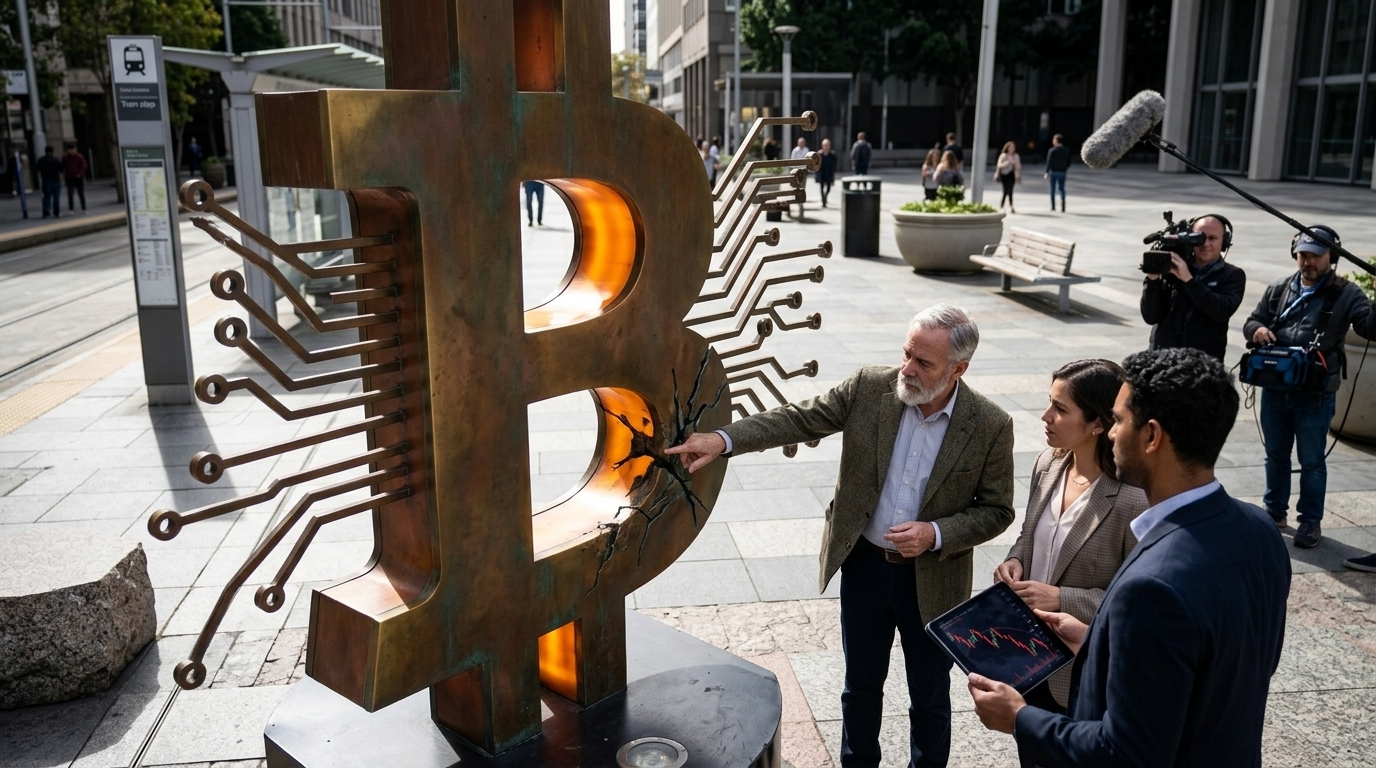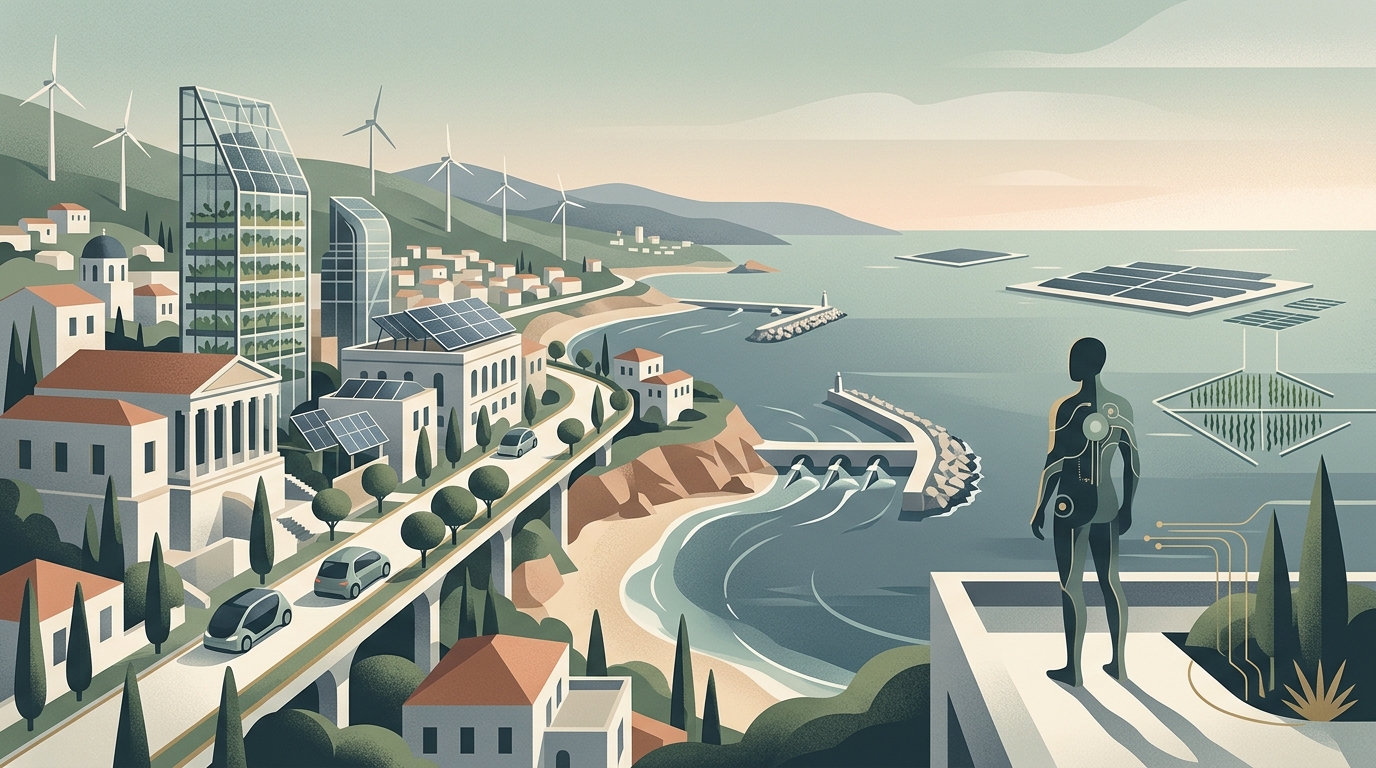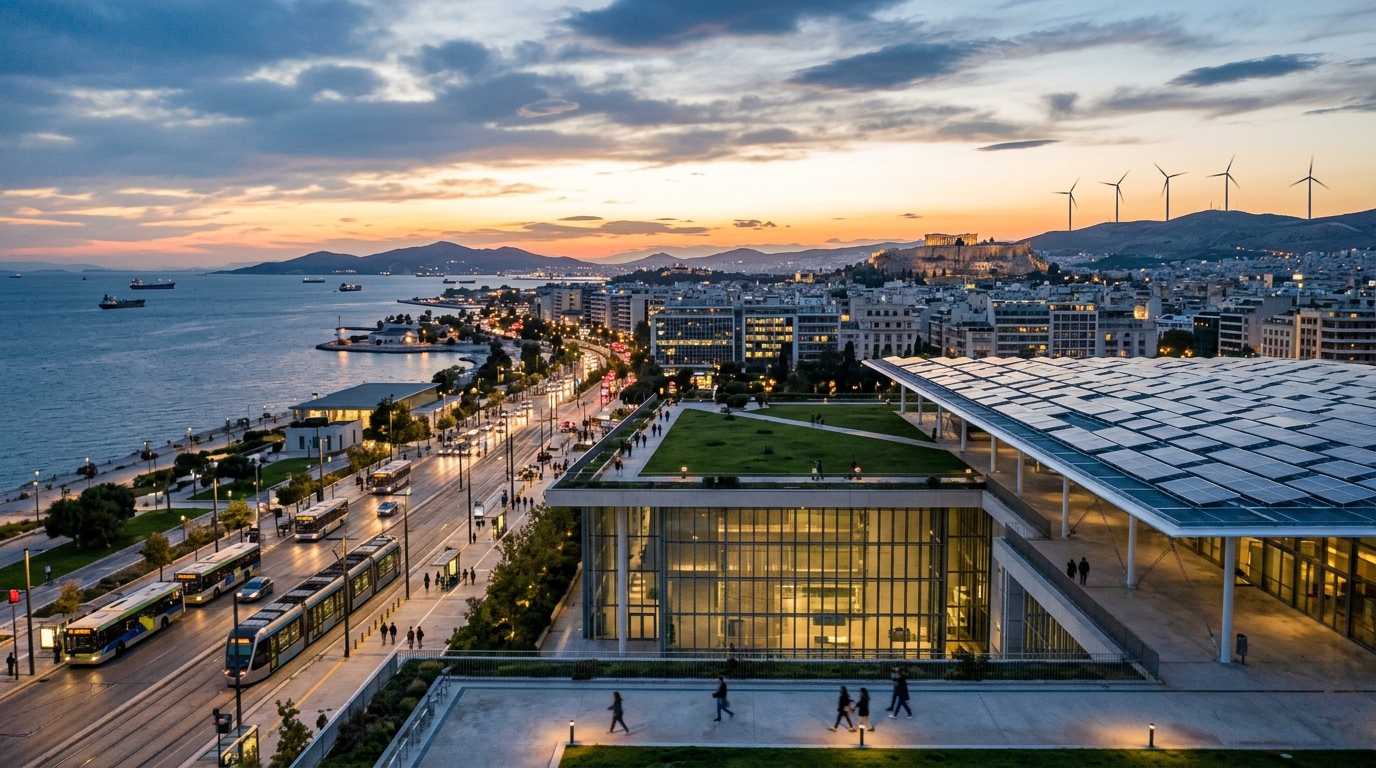
Humanity stands at a critical juncture where the concept of growth can no longer be decoupled from environmental sustainability. The "Zero Economy" is not merely an ambitious goal for reducing carbon emissions; it is a fundamental restructuring of the global economic model. In Greece, this transition takes on special significance as the country seeks to transform from a fossil fuel importer into a green energy exporter, leveraging its unique geographical and climatic advantages.
The Strategic Importance of Net Zero for Greece
The path to Net Zero by 2050, as defined by the European Green Deal, requires a titanic effort at the national level. For Greece, the challenge is twofold: on one hand, it must phase out lignite – a process already moving at a rapid pace – and on the other, it must modernize its infrastructure to accommodate the massive penetration of Renewable Energy Sources (RES). Energy storage and the upgrading of electrical grids are the two major "bets" for the coming decade.
According to market analysts, Greece has the potential to become an energy hub for Southeast Europe. Investments in offshore wind farms and the development of green hydrogen technologies are at the forefront of interest. However, bureaucracy and the need for a stable institutional framework remain obstacles that must be overcome to maintain investment momentum.
Technology and AI: The Catalysts of Transition
In this journey toward zero, technology plays the role of an accelerator. Artificial Intelligence (AI) and the Internet of Things (IoT) enable the optimization of energy consumption in real-time. Smart grids can predict demand and manage the volatility of RES, ensuring system stability.
- Smart Cities: Using sensors to manage lighting, waste, and traffic drastically reduces the energy footprint of urban centers.
- Green Shipping: Greek ocean-going shipping, the world's largest, is called upon to adopt alternative fuels and digital route optimization systems to reduce emissions.
- Circular Economy: Reusing materials and minimizing waste transform the linear "produce-consume-discard" model into a closed loop of value.
"The transition to a Zero Economy is not just an environmental necessity, but the greatest economic opportunity of our generation," industry executives state.
The Social Dimension and "Just Transition"
One of the most critical parameters of the path toward Net Zero is social cohesion. The concept of "Just Transition" concerns the support of regions economically dependent on polluting industries, such as Western Macedonia and Megalopolis. Creating new, "green" jobs and retraining the workforce are essential conditions so that no one is left behind.
Furthermore, tackling energy poverty is a priority. As energy costs remain volatile due to geopolitical turbulence, access to cheap, clean energy for all households is a matter of social justice. Residential energy upgrade programs and energy communities offer solutions that enhance citizen autonomy.
Conclusions: Greece as a Model
Greece has managed to make significant progress, reducing the share of coal in its energy mix faster than many other European countries. However, the road remains long. The success of the "Zero Economy" will be judged by the cooperation of the state, businesses, and society. Our country is not just called to follow international trends but to lead, proving that a sustainable economy is simultaneously a strong and competitive economy.