In a recent address that echoes the anxieties of leaders worldwide, Vladimir Putin warned that the rapid development of Artificial Intelligence (AI) could lead to the complete disappearance of entire professional sectors. These remarks, delivered during a technology forum in Moscow, are not merely a technocratic forecast but a profound political and social warning about the challenges modern state structures face in the wake of automation.
The Russian leader emphasized that the transition to the AI era is no longer a science-fiction scenario but an immediate reality requiring a radical overhaul of educational systems and social safety nets. This analysis comes at a time when Russia, isolated from many Western technological flows due to sanctions, is striving to develop its own "digital sovereignty," investing billions in domestic models like GigaChat and YandexGPT.
The Threat to the Labor Market: Who is at Risk?
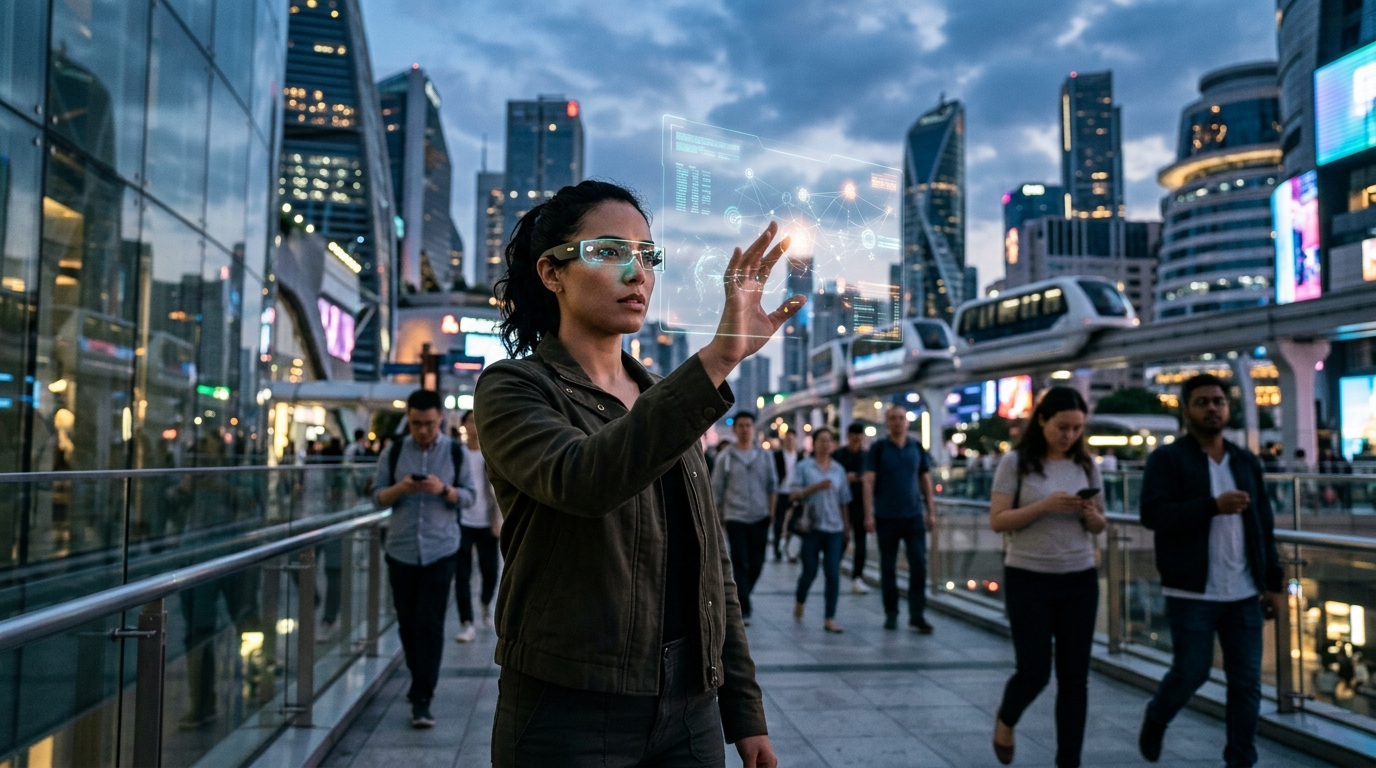
According to Putin, AI will not be limited to manual labor, as was the case in previous industrial revolutions. This time, white-collar professions are in the crosshairs. Administrative staff, legal assistants, translators, and even entry-level programmers may see their positions usurped by algorithms that work 24/7 without fatigue or error.
This concern is well-founded. Studies from international organizations, such as the International Monetary Fund, suggest that nearly 40% of jobs globally are exposed to AI. In developed economies, this figure reaches 60%. Putin highlighted that absorbing this workforce into new sectors will be the greatest challenge for governments over the next decade. Without a carefully planned transition, the risk of social unrest due to inequality and unemployment is palpable.
Artificial Intelligence and National Sovereignty
For the Kremlin, AI is not just an economic issue; it is primarily a matter of power. Putin has famously stated in the past that "whoever becomes the leader in AI will become the ruler of the world." In his recent speech, he revisited this narrative, linking technological progress to national survival. He argued that dependence on foreign (Western) AI models poses a security risk, as these models embed the cultural and political values of their creators.
"Artificial Intelligence is the new frontier of our independence. We cannot allow the imposition of foreign standards that will dictate how our citizens think and work," he noted.
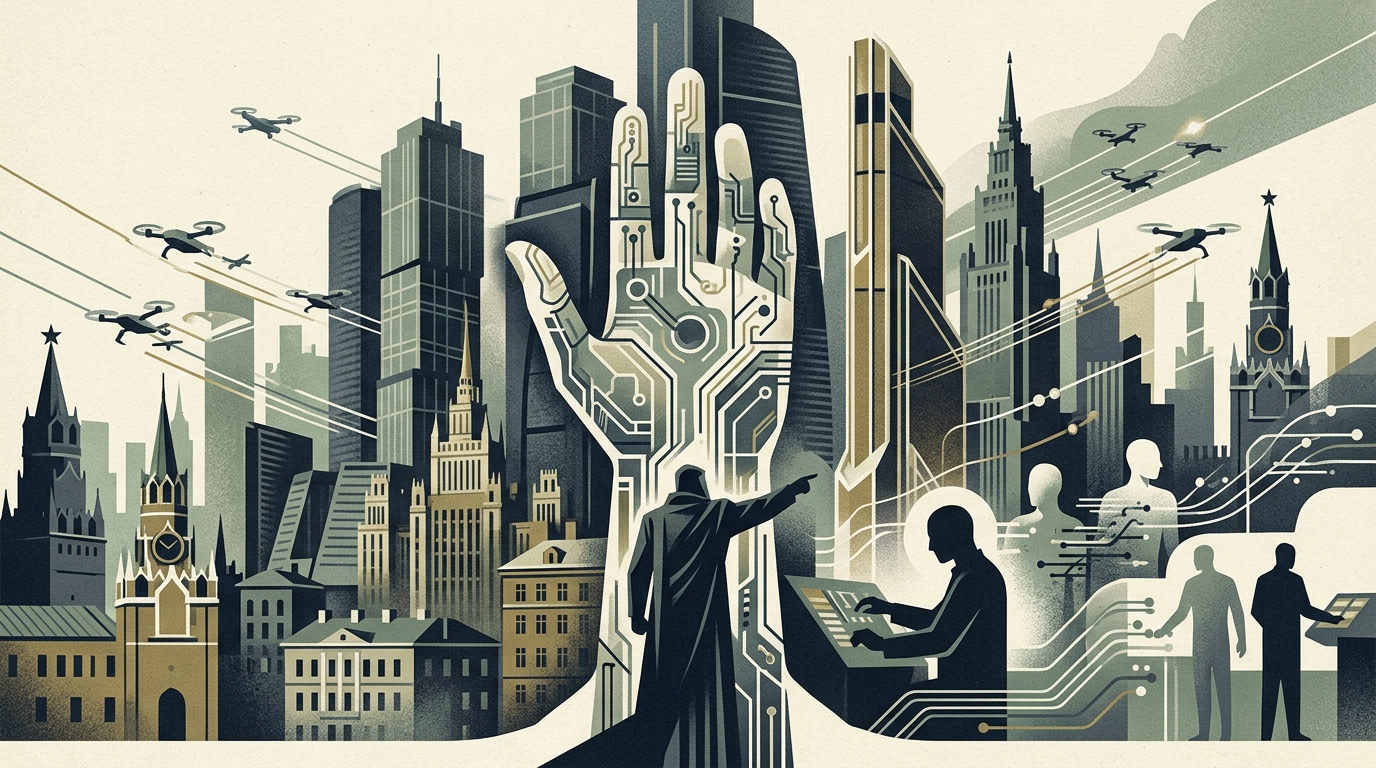
This approach is leading to the creation of a "digital iron curtain," where Russia and China develop closed AI ecosystems, competing with the dominance of Silicon Valley. However, this strategy requires massive resources in semiconductors and computing power—areas where Russia still lags significantly due to import restrictions.
Ethical Dilemmas and the Role of the State
Beyond economics and geopolitics, Putin touched upon ethical dilemmas. The possibility of AI making life-altering decisions—from medical diagnoses to judicial rulings—raises skepticism. The Russian president argued that human empathy and moral judgment cannot be fully replaced, though he admitted the boundaries are becoming increasingly blurred.
The conclusion of Putin's analysis is that the state must take a more interventionist role. This includes regulating AI usage, investing in worker retraining, and ensuring that technology is used to enhance state efficiency rather than destabilize society. In a changing world, Russia appears to be choosing the path of strict state control over innovation—a strategy that remains to be seen whether it will bear fruit or stifle the creativity required by the new digital age.