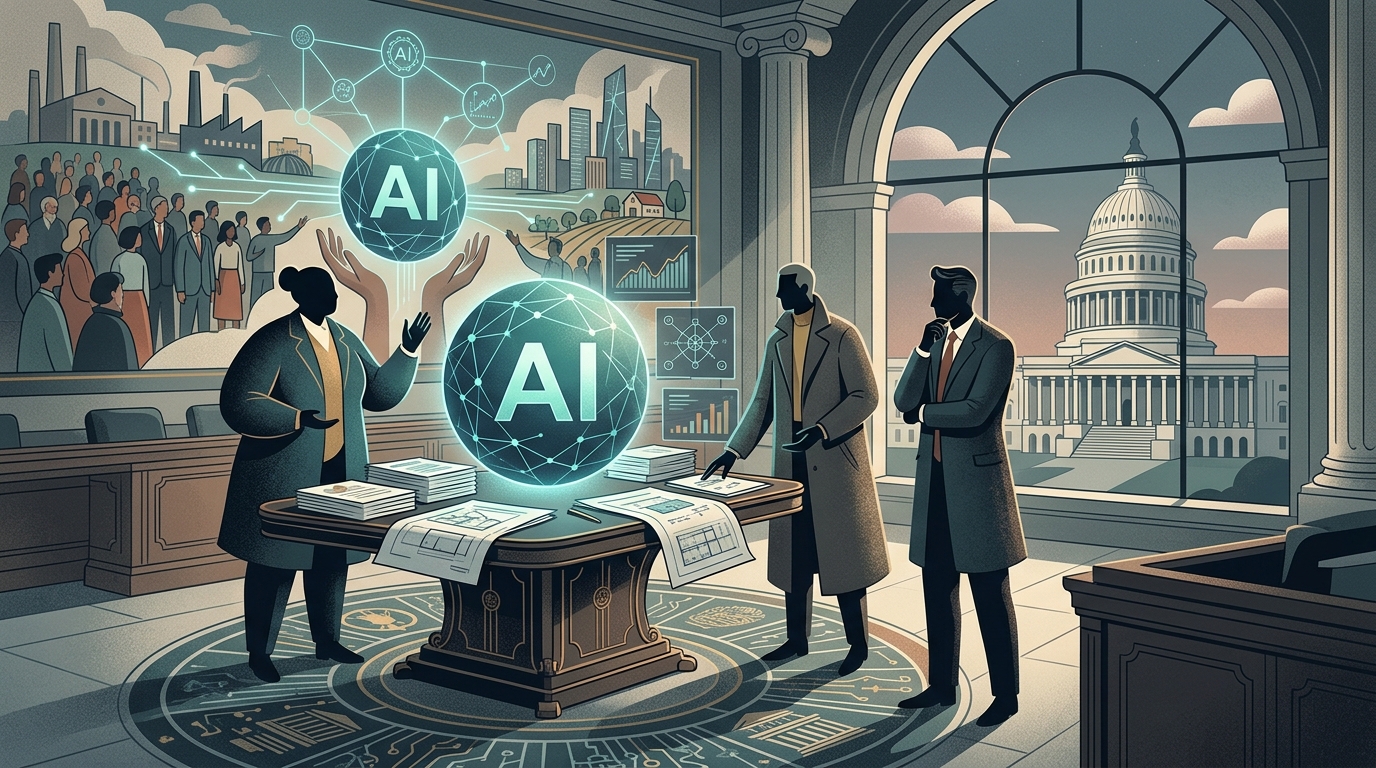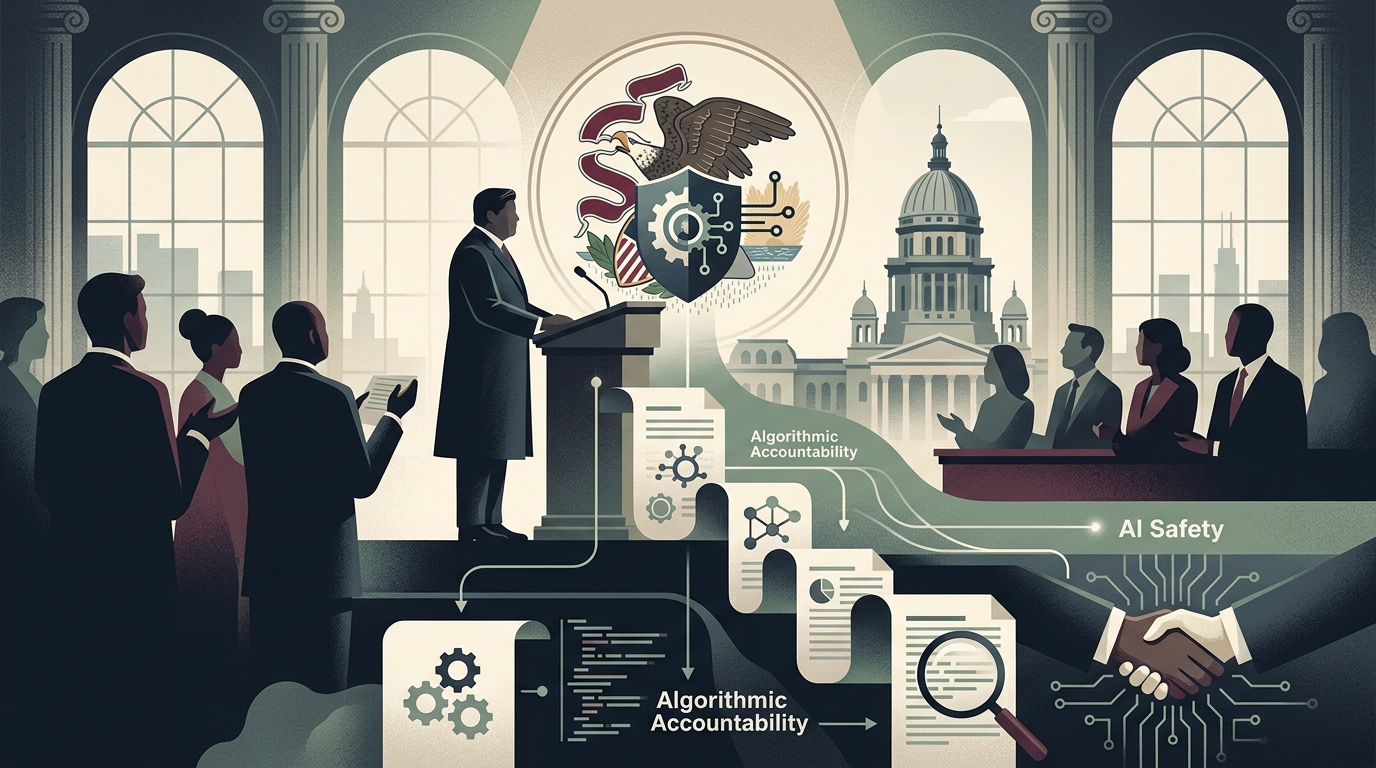
In an era where the United States federal government appears to be moving at a glacial pace regarding technology regulation, individual states are stepping up as legislative laboratories. Illinois, under the leadership of Governor JB Pritzker, is now emerging as a central protagonist in this effort. Pritzker’s recent pledge to sign a comprehensive Artificial Intelligence (AI) safety bill is not merely local news; it is a clear signal to Silicon Valley that the era of unchecked "self-regulation" is drawing to a close.
The Architecture of the New Legislation
The bill expected to be ratified targets three core pillars: protection against workplace discrimination, the criminalization of malicious deepfakes, and the enhancement of transparency in algorithms that make critical life decisions for citizens. Illinois already possesses a robust tradition of protecting digital rights, having established the Biometric Information Privacy Act (BIPA), widely regarded as one of the strictest in the world. The new AI legislation represents the natural evolution of this framework.
Particular emphasis is placed on the use of AI in hiring and performance evaluation. Many companies now utilize algorithms to screen resumes or even analyze facial expressions during video interviews. The new bill requires employers to conduct annual audits for algorithmic bias and to inform candidates whenever their application's fate is decided by a machine. This level of accountability is unprecedented in the American context and is expected to trigger a domino effect across other states.
Deepfakes and the Protection of Personality
Another critical aspect of the legislation concerns deepfakes. With the rise of Generative AI, creating false yet highly realistic images and videos has become trivial for malicious actors. Illinois intends to grant victims the right to pursue civil lawsuits against creators and distributors of content that violates their privacy or aims to defame them.
"We cannot allow technology to outpace our humanity," Pritzker stated during a recent press conference, emphasizing that innovation must not come at the expense of individual dignity.
Industry Reaction and Economic Implications
Unsurprisingly, tech giants are monitoring these developments with skepticism. The industry argument is that a "patchwork" of differing state laws makes corporate operations exceedingly difficult and costly. However, proponents of the bill argue that, in the absence of federal action, states have a moral obligation to protect their constituents. Illinois, as the economic hub of the Midwest, possesses the necessary leverage to enforce these rules, effectively forcing companies to adjust their products nationally to avoid fragmentation.
Conclusion: A Blueprint for the Future?
Governor Pritzker’s move aligns Illinois with California and the European Union, forming a front that demands "Ethical AI." While the specifics of implementation will determine the venture's success, the message is clear: the era of innocence for AI is over. Citizens are demanding safety, and politicians are finally beginning to respond. This bill could very well serve as the blueprint for how democratic societies negotiate their relationship with autonomous systems in the 21st century.